The countries of the European Union were unable to agree on new rules for the reform of the electricity market, which is designed to prevent a repeat of the energy crisis of 2022 and a rapid increase in energy prices.
The conflict occurred over the continuation of subsidies for coal-fired power plants, Reuters reports.
The article emphasized that this reform is designed to make electricity prices more stable. After agreeing on a common position, the countries must agree on the final law with the European Parliament.
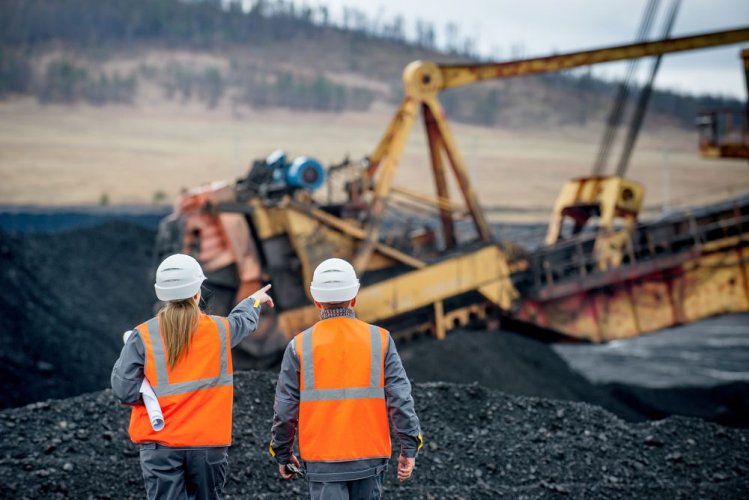
It is noted that the negotiations were complicated by a late offer by Sweden, which presides over the EU on a rotating basis. It included allowing countries to extend a subsidy mechanism for coal-fired power plants that pays generators to keep capacity on standby to avoid blackouts. Thus, Poland, which receives about 70% of its electricity from coal, can potentially extend its scheme of supporting such power plants until 2028.
Swedish Energy Minister Ebba Busch said that stable electricity production in Poland, which borders Ukraine, will allow to support it with reserve energy.
The report highlighted that a number of countries, including Austria, Belgium, Germany and Luxembourg, opposed the move, saying the move would undermine Europe's climate change targets.
Reuters reported that the proposal would allow for the temporary lifting of CO2 emissions restrictions. This would allow coal-fired power stations to operate in the absence of sufficient low-carbon capacity, if the European Commission approves such an exemption.
"For some of us, security means the power of markets," said Poland's Climate Minister Anna Moskwa.
The article emphasized that coal is the fossil fuel with the largest CO2 emissions. Its use must be drastically reduced by 2030 to avoid the most serious consequences of climate change.
Reuters reported that EU ambassadors will continue negotiations to reach an agreement in June.
It said ministers also tried to agree rules governing state support for renewable and nuclear power plants, as Germany and France disagree on the issue.
Representatives of Germany, Austria and the Netherlands said the permit, which would offer fixed-price power contracts with the state to both existing power plants and new ones, could distort the EU's single market.
Earlier, EcoPolitic wrote, that the ambassadors of the EU countries concluded an agreement on the landmark the law on renewable energy after the European Commission agreed to exempt certain ammonia plants from renewable fuel targets.
As EcoPolitic previously reported, the European Parliament approved law on reduction of methane emissions in the energy sector by 2030, in particular direct emissions from the oil, gas and coal industry, as well as from biomethane after its introduction into the gas network.