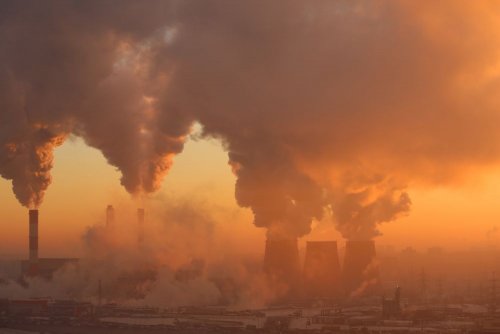
The European Parliament approved a law to reduce methane emissions in the energy sector until 2030, in particular, direct emissions from the oil, gas and coal industries, as well as from biomethane after its introduction into the gas network.
The regulation also applies to the import of fossil energy, according to EURACTIV.
The corresponding decision was supported by 499 MEPs, 73 opposed, and 55 abstained.
It is noted that the new rules also oblige the countries of the bloc to set national targets for reducing methane emissions as part of their integrated national energy and climate plans.
“This is a commitment to greater climate protection and energy sovereignty in Europe,” said MEP Jutta Paulus. “Without ambitious measures to reduce methane emissions, Europe will not meet its climate targets and valuable energy will continue to be wasted.”
It is noted that the new law introduces more stringent requirements for gas infrastructure operators to identify and eliminate methane leaks. In addition, MEPs call for the new rules to be applied to the petrochemical sector.
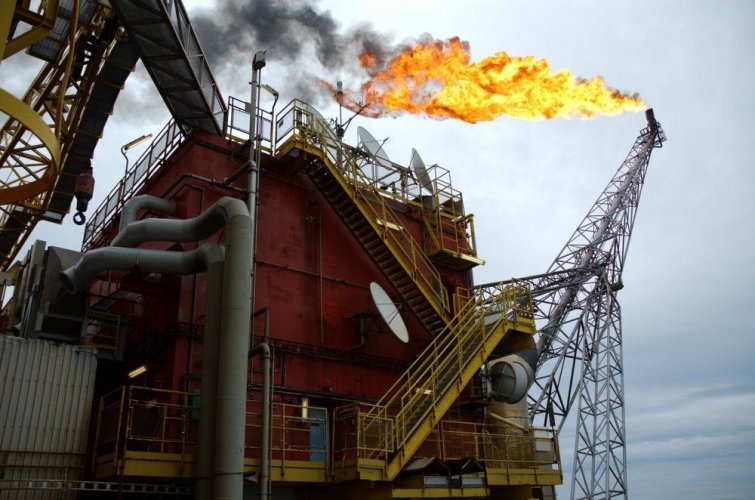
EURACTIV said the document introduces a ban on ventilation and flaring of methane emissions from coal mines:
- until 2025 - in drainage stations;
- until 2027 - in ventilation shafts.
The material stressed that the removal and combustion of methane is an environmentally harmful practice and waste. The new rules will also improve the safety of workers in mines.
MEPs also called on importers of coal, oil and gas to provide evidence that imported fossil energy complies with the standards of the rules, starting in 2026. After all, imports account for more than 80% of oil and gas consumed in the EU. However, imports originating from countries with similar methane emission requirements will be exempt from this obligation.
Earlier, EcoPolitic wrote, that in April 2023, MEPs approved agreements on the reform of the Emissions Trading System (ETS), the Carbon Border Management Mechanism (CBAM) and the creation of a Social Climate Fund (SCF).
As EcoPolitic previously reported, the European Parliament approved a revision of the EU F-gas regulation and a gradual ban on fluorinated greenhouse gases until 2050.