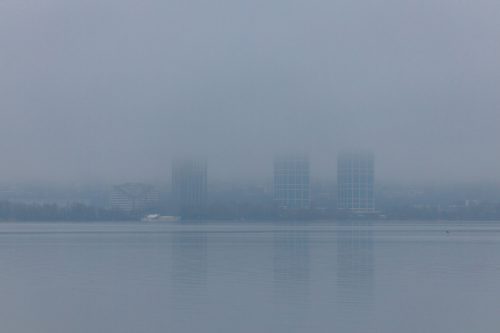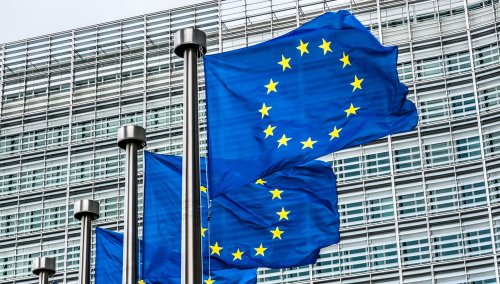
The European Parliament and EU member states have reached an agreement to tighten air quality standards, namely to reduce the limit and target concentrations of nitrogen dioxide and PM2.5 dust by 2030.
The new standards are close to the recommendations of the World Health Organization (WHO), Reuters reports.
According to the European Environment Agency, in 2021, polluted air led to hundreds of thousands of deaths in the EU, among others:
- 253,000 deaths from PM2.5 particulate pollution affecting people with cardiovascular disease;
- 52,000 deaths from nitrogen dioxide (NO2) pollution, which affects people with diabetes the most;
- 22,000 deaths from short-term ozone (O3) pollution.
It is noted that the permissible limits of dust concentration will be reduced from 25 μg/m3 to 10 μg/m3, and nitrogen dioxide – from 40 μg/m3 to 20 μg/m3.
The material said that until January 31, 2029, for certain reasons and under strict conditions, EU member states will be able to submit a request to postpone the deadline for reaching the air quality limit values to a later date.
The agreement must be officially confirmed in the European Parliament and the Council of the EU. After that, the procedure for its approval will begin.
Earlier, Ecopolitic wrote, that 1,200 children die every year from the effects of breathing in polluted air.
Previously, EcoPolitic analyzed the methods of formation of PM2.5, its danger and methods of combating air pollution. Thanks to anthropogenic influence, more than 99.9% of people on the planet breathe air with an excessive content of PM2.5 solid particles, which negatively affect health and cause thousands of premature deaths every year.