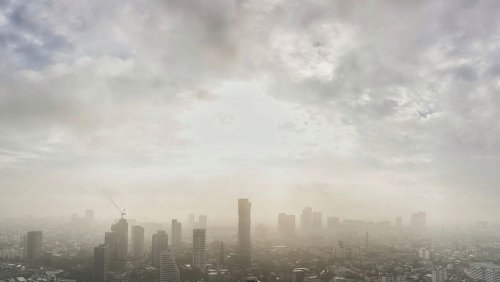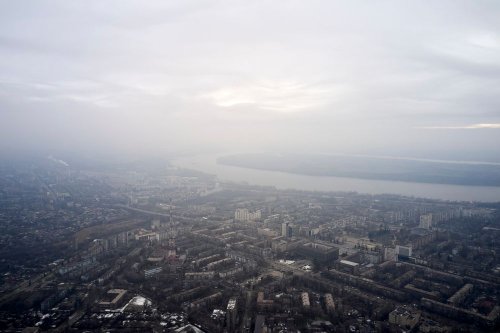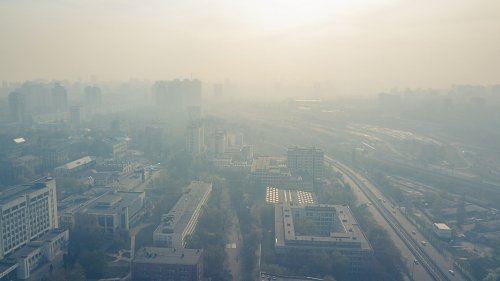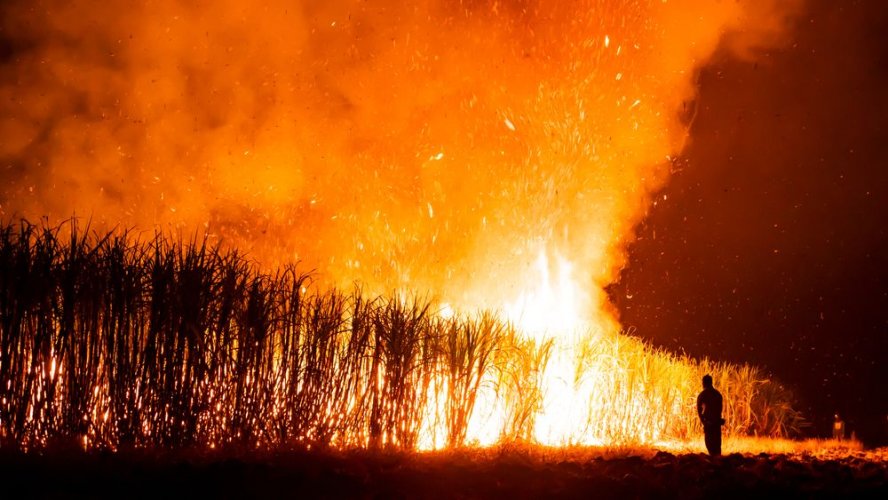
Efforts to improve air quality could be undermined by large-scale wildfires and heatwaves. These factors, caused by climate change, could undermine global environmental efforts.
This is what Reuters reports, citing a report by the UN meteorological agency.
The issues of air pollution and climate change are interlinked, so tackling them requires a coordinated policy rather than piecemeal solutions.
The World Meteorological Organisation has also reported that, due to the increasing likelihood of extreme wildfires, it is becoming increasingly difficult to comply with the WHO’s recommendations on air quality.
A fiery source of pollution
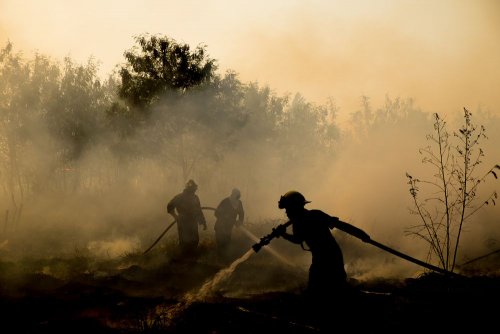
The climate policies of individual countries have led to a significant reduction in industrial emissions. However, forest fires are emerging as a distinct and increasingly significant source of atmospheric pollution.
"No matter how clean your city or region is, if there is a lot of pollution caused by forest fires, this can also have a negative impact on air quality in those regions," emphasised Lorenzo Labrador, a research fellow at the WMO.
The invisible threat
In its report, the meteorological organisation also focused on specific pollutants, in particular on the monitoring of these pollutants and research into their impact on people and the environment.
This refers to the increasing impact of fine particulate matter (PM2.5) and ground-level ozone. These particles can cause or exacerbate cardiovascular and respiratory diseases.
Meteorologists have also called for improved monitoring of pollutants. These include microplastics and black carbon. The UN emphasises that, despite their prevalence in the atmosphere, these substances are extremely difficult to track.
Years of fires
The number of extreme wildfires – and consequently the emissions they cause – has tripled since the 1990s alone. The report also suggests that between 2010 and 2018, these factors directly or indirectly caused nearly 100,000 additional deaths.
Lorenzo Labrador points out that smoke from forest fires contains particularly hazardous substances. When inhaled, the solid particles and combustion by-products can trigger inflammatory processes in the body, particularly in the lungs.
Due to increased wildfire activity in 2025, PM2.5 concentrations were significantly higher than average in certain regions of Canada, West Africa and Russia.
This year, devastating wildfires coincided with extreme heat. The fires caused the most damage in Spain and France. France even called upon rescue workers from Ukraine to help.
At the same time, a UN report has shown that progress in reducing greenhouse gas emissions has stalled in Europe’s most developed economies. Experts attribute this to a shift in the political discourse.