On August 1, 2023, the requirements of the new Technical Regulations for Energy Labeling of Energy-Consuming Products for Manufacturers, Suppliers, and Distributors will come into force in Ukraine.
The requirements are applied to machinery and equipment put into circulation or into operation, says the press release of the State Energy Efficiency Agency.
The Regulation was developed by the State Energy Efficiency Agency together with the Ministry of Energy on the basis of the Regulation of the European Parliament and the Council of the EU.
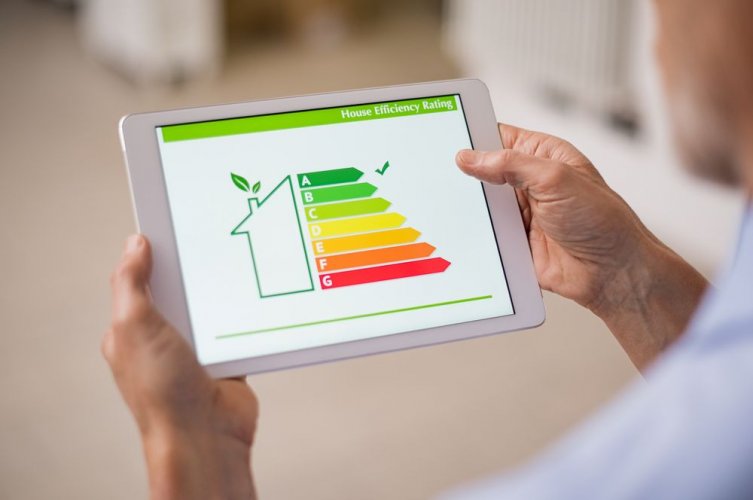
It provides for the labeling of products and the provision of standard information on their energy efficiency, consumption of energy and other resources during their use, as well as additional information about products according to new EU regulations.
Suppliers must ensure that each individual unit of product is accompanied free of charge by accurate printed labels and product information sheets.
The distributor must:
- display in a visible way a label provided by the supplier or published, in particular for distance sales over the Internet;
- provide consumers with a product information sheet, and upon request, also in printed form at the point of sale.
The supplier and distributor must also make reference to the energy efficiency class of the products in visual advertising and technical promotional materials for the specific model.
"Energy labeling is a European tool that stimulates the production and use of energy-efficient products. In accordance with the Law of Ukraine "On Energy Efficiency", we are introducing a whole system of energy labeling of energy-consuming products," said Viktor Bilko, Deputy Head of the State Energy Efficiency Agency.
Thanks to energy labeling, consumers will be able to:
- receive information about the technical characteristics of energy-consuming products;
- choose more energy-efficient products;
- reduce energy consumption;
- to use energy-efficient and ecological equipment during a long period of operation.
Domestic enterprises will have equal competitive opportunities with European producers of energy-consuming goods, and importers will be obliged to provide only those goods that meet the requirements of the technical regulation.
"Implementation of energy labeling also contributes to the development of innovations and investment in the production of energy-efficient goods," the article noted.
Earlier, EcoPolitic wrote, that the State Energy Efficiency Agency implemented EU requirements to ecodesign and energy labeling Ukrainian equipment and machinery.
As EcoPolitic previously reported, The European Commission adopted a new work plan on ecodesign and energy labeling for 2022-2024, which will help to save about €250 billion in 2022.