Boston Metal received $20 million from the World Bank's International Finance Corporation (IFC) to develop the ultimate technology for the production of green steel using electrolysis.
The technology can use low-grade iron ore and involves modular production, CNBC reports.
The article emphasized that metallurgy is responsible for 7-9% of global carbon emissions. Boston Metal has been developing carbon-neutral metallurgy technology since 2017.
It is noted that such an investment by IFC is the first time that a start-up without revenues has received funding.
"This speaks to the value the World Bank sees in helping low-income countries produce carbon-free steel," said IFC Director William Sonneborn.
He explained that over time, active steel production will take place in developing countries, and Boston Metal's technology will allow them to start local ecological production.
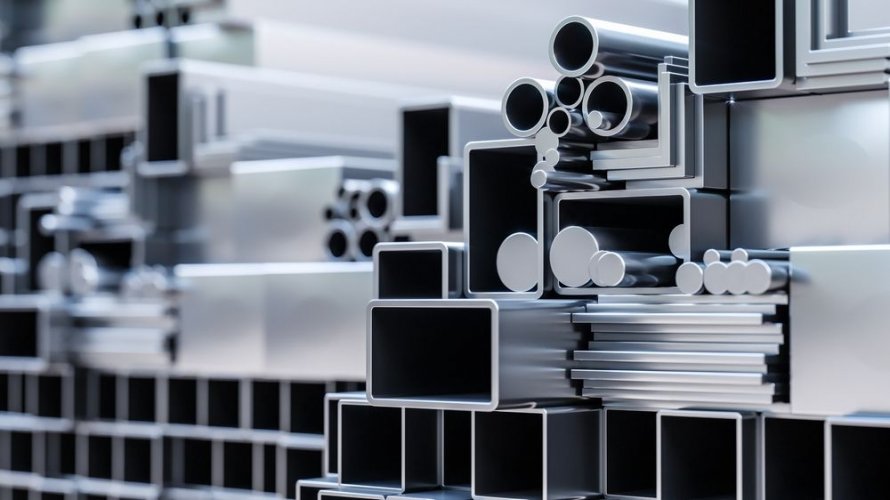
The material said that the traditional production of steel takes place in a blast furnace with the help of coal. A new technology offers electrolysis of molten oxides. Thus, electricity passes through a mixture of iron oxide with a number of other oxides. If green energy is used in the process, then the produced steel will be carbon neutral.
"The process resembles a battery with a positively charged anode and a negatively charged cathode that direct the flow of electricity," CNBC explained.
It is noted that the technology involves the use of an anode made of a unique alloy of chromium and iron, which is not subject to corrosion and can withstand temperatures up to 1600°C. A byproduct of the process is oxygen.
The material added that electrolyzers can be increased to a certain size and, if necessary, a number of chambers can be placed next to each other to produce environmentally friendly steel. In addition, in this way it will be possible to produce tin, niobium and tantalum from metals that are considered waste from the mining process.
Boston Metal plans to raise about $300 million to commercialize the project and complete the development of the technology. In 2026, the company plans to enter industrial scale production.
Earlier, EcoPolitic wrote, that EUROFER specialists have developed a map of 60 key European steel projects with low carbon emissions, reflecting their emission reduction potential, financing and energy needs.
As EcoPolitic previously reported, scientists from the University of Birmingham in Great Britain have developed a cheap technological process for existing metallurgical plants, thanks to which it is possible to reduce emissions by about 90%.