Throughout June, Ukrainian businesses received nearly 280 million UAH in loans from the Decarbonisation Fund to implement projects in the field of distributed generation. In addition to providing enterprises with a degree of energy autonomy, such projects have a significant environmental impact.
This was reported on the Fund’s website.
Solar energy for businesses
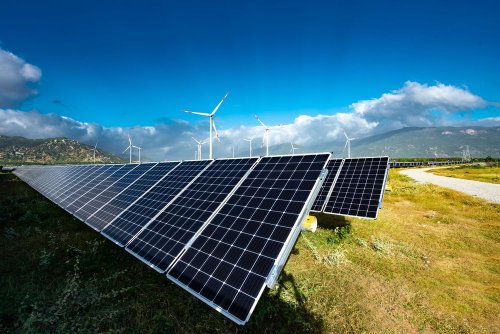
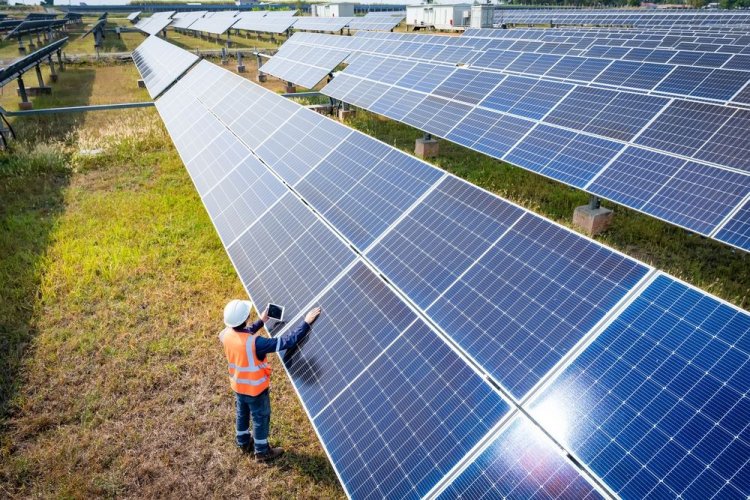
All six funded projects involved the construction of solar power stations. To make more efficient use of the energy generated, they were retrofitted with battery storage systems.
The total capacity of the installed solar power stations is 8.84 MW, whilst the combined capacity of the energy storage systems exceeded 35 MWh.
Geographically, the projects were implemented in various regions of the country. The solar power stations were installed in the Kyiv, Dnipropetrovsk, Poltava, Ternopil and Odesa regions.
According to the Decarbonisation Fund, the installed equipment will generate at least 7.4 GWh of renewable energy each year. This will reduce greenhouse gas emissions by over 2,300 tonnes annually.
“By supporting such projects, we are helping Ukrainian businesses to operate more stably, become more energy-resilient and develop with greater confidence amid the war and energy challenges,” the Fund emphasised.
Further details on the terms of loan financing from the state agency can be found via the link.
In May, the Decarbonisation Fund allocated 207.4 million UAH to energy efficiency projects.
EcoPolitika reported that a similar project was implemented at one of the bread factories in the Zaporizhzhia region. Thanks to a solar power plant with energy storage systems, the enterprise can generate over 50 per cent of the electricity required for production.
The Fund is financed by revenue from the environmental tax on CO₂ emissions and through assistance from international organisations and partner countries. Read more about its work in the article.