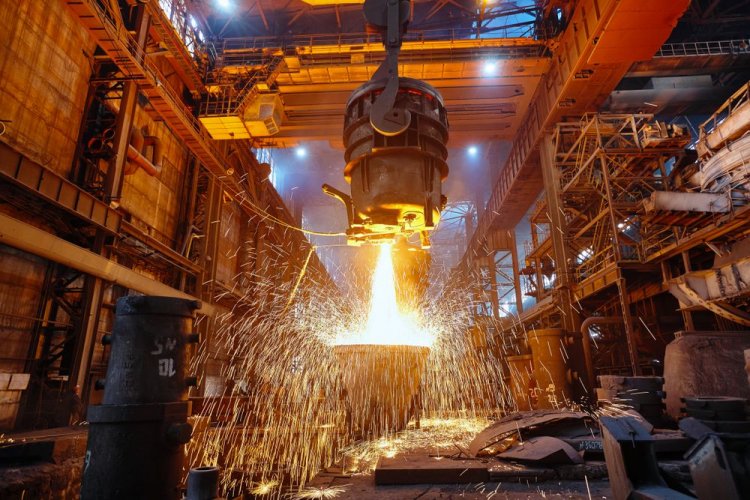
The EU has revised the Best Available Techniques Reference Document (BREF) for the steel and foundry industry and established new standards to reduce the environmental impact of enterprises in this industry.
The relevant announcement was published on the European Commission's website.
The new requirements will help to
- Reducing air and water emissions;
- solving environmental problems associated with the introduction of the circular economy, in particular, energy and resource efficiency (water consumption, raw material consumption, waste generation)
- substitution of raw materials with hazardous characteristics or high environmental impact (e.g., use of alternative binders with low or no hazardous substances in foundries);
- encouraging enterprises to decarbonize;
- reducing pollution in the sector through the use of non-fossil energy sources for heating processes in foundries.
The updated Best Available Technology and Management Practices (BAT) conclusions, also known as BAT (Best Available Techniques), will apply to approximately 1,000 ferrous and non-ferrous metallurgical plants.
For the first time, the requirements of these BATs will apply to 25 forges that use hammers for the forging process. Existing plants will have 4 years to make their equipment compliant with the stricter standards, while new plants will have to meet the requirements of the updated BAT from the start of their operation.
The European Commission assures that the new rules will greatly simplify and streamline the establishment of permitting conditions for forges and steel mills in the EU, as they provide guidance to member states on the issuance of integrated permits.
In early November, EcoPolitic reported that the Ministry of Environmental Protection and Natural Resources of Ukraine published new BATs for ferrous metallurgy enterprises.
We also talked about the Clean Steel project, which is being launched jointly by Ukraine and the United States to develop a roadmap for decarbonizing the steel industry using small modular reactors.