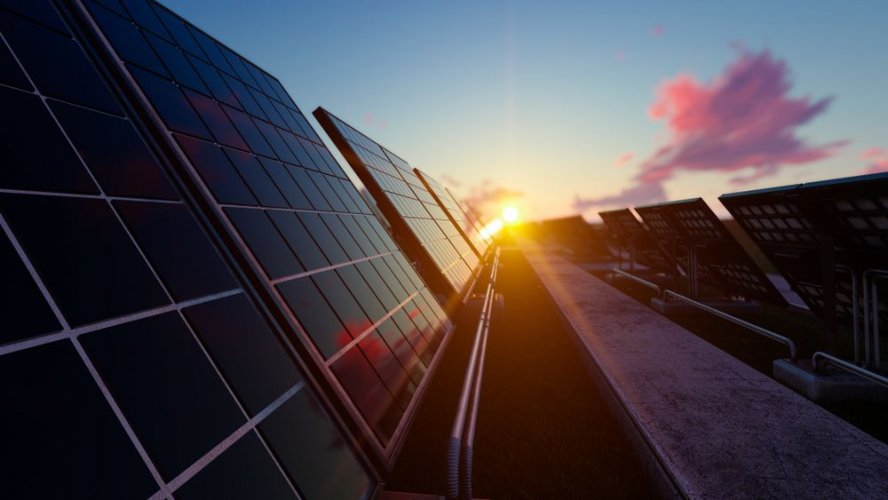
In June, solar energy for the first time became the leading source of energy in EU countries, surpassing nuclear power.
This was reported by Ember Energy.
Experts note that this year, EU countries set national records in solar and wind energy production. As a result, coal burning at thermal power plants was reduced.
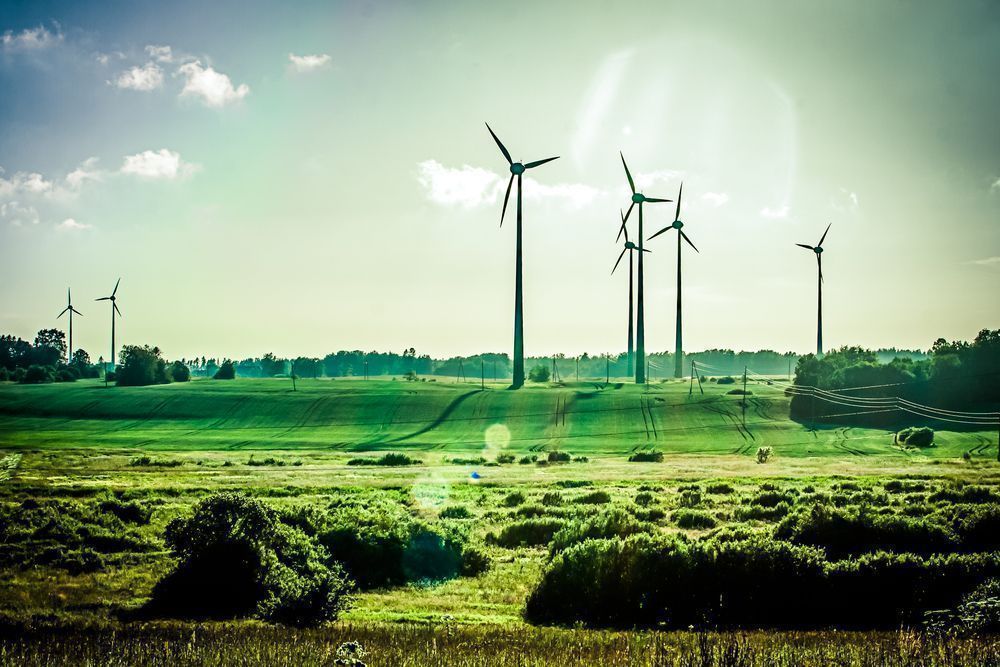
In June, solar energy accounted for about 22% of total energy production, ahead of any other source. Nuclear energy came in second with approximately 21.5%, while wind energy ranked third, generating nearly 16% of the total electricity.
How They Did It
These records were achieved due to the mass installation of solar panels in recent years and a hot climate. Alternative energy sources have displaced coal from the market, leading to a decrease in coal prices in the EU.
Coal accounted for about 6% of electricity generation. Even the largest coal consumers, Poland and Germany, showed the lowest usage rates – around 12% in Germany and almost 43% in Poland. Meanwhile, Spain plans to phase out coal completely.
In European Union countries, energy consumption continues to grow. Over the past year, consumption increased by 2.2%. However, alternative energy enables higher production, and the accessibility of renewable sources also contributes to this. This makes the EU less dependent on fossil fuels.
Previously, EkoPolityka reported that the multimarket chain “Aurora” installed solar power stations at key distribution centers in Vinnytsia and Poltava. The company saved 12 million UAH over two years of operation.