The European Union’s net domestic emissions fell by 40% between 1990 and 2024. Moreover, they dropped by 3% between 2023 and 2024 alone.
According to official data from the European Environment Agency (EEA), this was driven by the development of green energy, improved energy efficiency, and structural changes in the EU economy.
Key trends
Emissions decreased the most in the following economic sectors:
- electricity and heat generation;
- manufacturing industries;
- residential sector;
- construction;
- ferrous metallurgy.
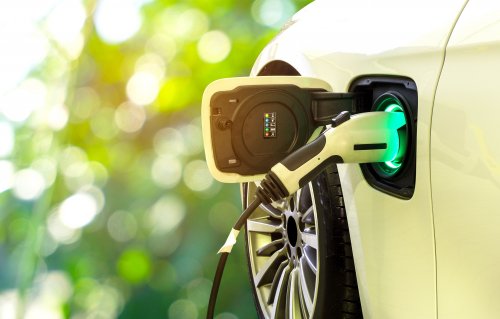
Greenhouse gas emissions in the transport sector, on the contrary, only increased. The widespread adoption of electric and more efficient vehicles could not prevent this. The key factor is the rapid growth in demand.
From 1990 to 2014, there was a sharp increase in hydrofluorocarbon (HFC) emissions from refrigeration and air conditioning systems. However, over the next decade, emissions volumes gradually decreased. A contributing factor was the gradual phase-out of F-gases in the EU.
Forests are losing their capacity to absorb carbon. This is linked to an aging forest stock, which reduces annual growth, increased logging, and climate change.
Reasons for emission reductions
Over 34 years, emissions from electricity and heat production fell by 58%. This was primarily due to higher production efficiency and the transition to low-carbon fuels.
During this period overall:
- solid fuel use at thermal power plants fell by 68%;
- liquid fuel use at thermal power plants decreased by 86%;
- natural gas use increased by 44%, although since 2022, emissions from it dropped by 18%;
- coal consumption declined threefold.
A separate factor was the increase in power generation from renewable sources, which, in turn, reduced CO₂ emissions per unit of energy produced.
The reduction in emissions in the residential sector was achieved through energy efficiency measures, such as building insulation, as well as climate change resulting in warmer winters.
EcoPolitic previously reported that by 2050, the European Union plans to reduce greenhouse gas emissions by 90% from 1990 levels.