Research by a group of scientists from University of Copenhagen showed that with the Earth's life support systems have been so damaged that the conditions on the planet do not correspond to a safe environment for human existence.
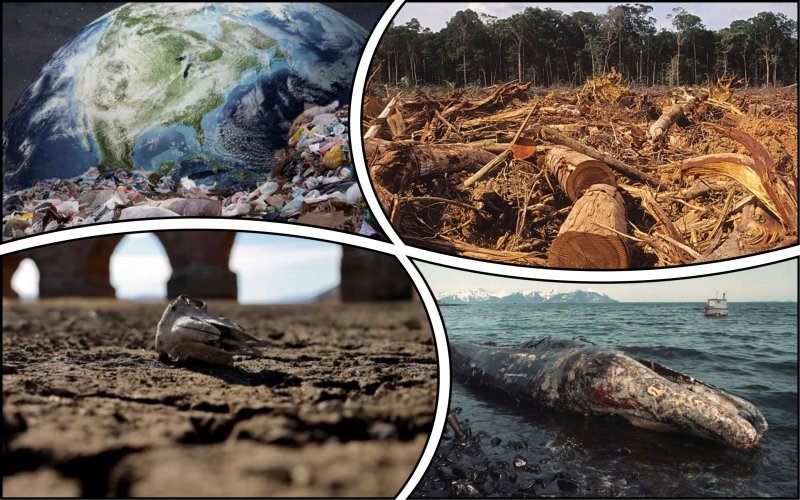
Six of the nine planetary boundaries have been breached due to anthropogenic pollution and destruction of the natural world, and two more are in critical condition, reports The Guardian.
It is noted that planetary boundaries are key global systems such as climate, water, biodiversity, etc. The crossing of these boundaries means that the systems were taken far from the safe and stable state that existed from the end of the last ice age, about 10,000 years ago, until the beginning of the industrial revolution.
According to researchers, the only planetary boundary that is safe is the state of the ozone layer. After all, the gradual rejection of destructive chemicals led to the reduction of the ozone hole.
The article emphasized that the crossing of planetary boundaries has an irreversible effect. Beyond these limits there is a sudden and serious deterioration of conditions.
Planetary borders that humanity has already crossed:
- The limit of the integrity of the biosphere, that is, the normal functioning of all ecosystems on the planet, was violated more than 100 years ago;
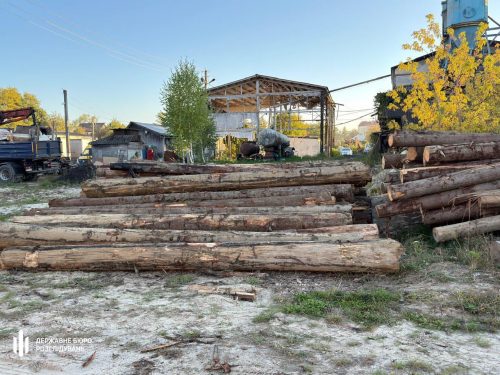
- In the 20th century, due to severe deforestation, the land use boundary was violated;
- The boundary of climate change was breached more than 30 years ago;
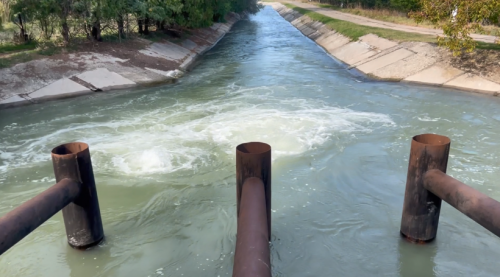
- The boundary of fresh water, which includes water in rivers, lakes and in the soil, was violated at the beginning of the 20th century. That is, the level of water pollution has increased significantly;
- The limit of environmental pollution with pesticides, plastic and nuclear waste was broken quite recently.
Planetary boundaries in a critical state:
- Air Pollution;
- ocean acidification.
"Six of the nine boundaries have been breached, which indicates that the Earth is now far beyond the safe working space for humanity," the scientists emphasized.
It says phasing out fossil fuel burning and ending destructive agriculture are key actions needed.
"This is a strikingly bleak update to an already alarming picture. The planet is moving into a new and much less stable state – it could not be a starker warning that deep structural changes are needed in the way we treat the environment," said the University College professor London's Simon Lewis, who was not involved in the research.
Earlier, EcoPolitic wrote, that research by scientists from the Stockholm Center for Sustainable Development showed that the level of chemical pollution crossed the planetary boundary.
As EcoPolitic previously reported, the president of the upcoming COP28 climate summit, Sultan Al Jaber, said that the world is losing in the fight against climate change.