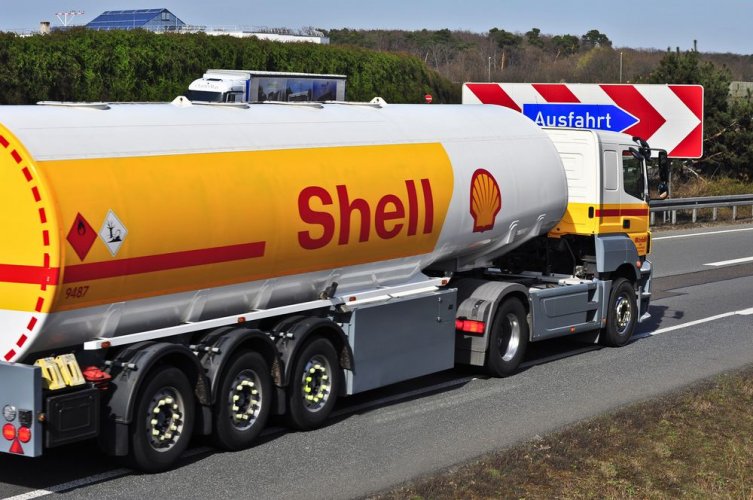
Europe's largest oil company, Shell PLC, has secretly abandoned its climate plans to spend $100 million a year on carbon credits.
This happened 6 months after Vael Savan became the new executive director, reports Carbon Credits.
It is noted that this program was the largest among similar initiatives of oil corporations. In June, Savan announced a major shift in Shell's strategy to maintain current levels of oil production through 2030, rather than cut it, while cutting costs and increasing shareholder returns.
The material emphasized that carbon credits were part of a strategy to achieve zero emissions by 2050 and reduce Scope 1 and 2 emissions by 50% by 2030. After rejecting them, Shell presented no new plans or strategies.
Carbon Credits said Shell planned to generate 120 million carbon credits annually by 2030 through its carbon sequestration projects. These goals would offset approximately 10% emissions of the company.
According to Shell, these previous targets were unattainable due to a lack of projects that met its quality standards. After all, the company adheres to strict standards when it comes to developing and investing in nature-based climate solutions (NBS). Such projects involve reducing deforestation, planting trees, etc.
It is noted that carbon credits are part of the climate strategies of other oil companies, including Chevron, TotalEnergies, BP (formerly British Petroleum ) , Equinor and Eni. Shell is not completely abandoning its efforts to offset carbon emissions and may be able to purchase them from other companies.
The article emphasized that the company's goals for sustainable development and the climate remain unchanged. Shell's long-term approach to reducing carbon emissions to net zero is in line with the Science-Based Targets initiative. This means first avoiding and reducing emissions before resorting to carbon offsets.
A BloombergNEF analysis found that if Shell stays true to its zero-emissions pledge, it will still need carbon offsets. The company will need offset credits for residual emissions on its way to net zero.
We remind you that a study by the independent analytical center InfluenceMap showed that the 5 largest oil and gas companies (BP, Chevron, ExxonMobil, Shell and TotalEnergies) exaggerate their environmental contributions in public messages and continue to direct the majority of investments to oil and gas projects.
As EcoPolitics previously reported, the oil giant Exxon Mobil has significantly reduced support for the biotechnological company Viridos, which has been working on the production of biofuel from algae since 2009.