Alessandro Blasi, Special Advisor to the Executive Director of the International Energy Agency, said that the petrochemicals sector is becoming a key driver of demand for oil and gas.
After all, these substances are the raw materials for the production of a number of household goods and other products needed in everyday life, he wrote on LinkedIn.
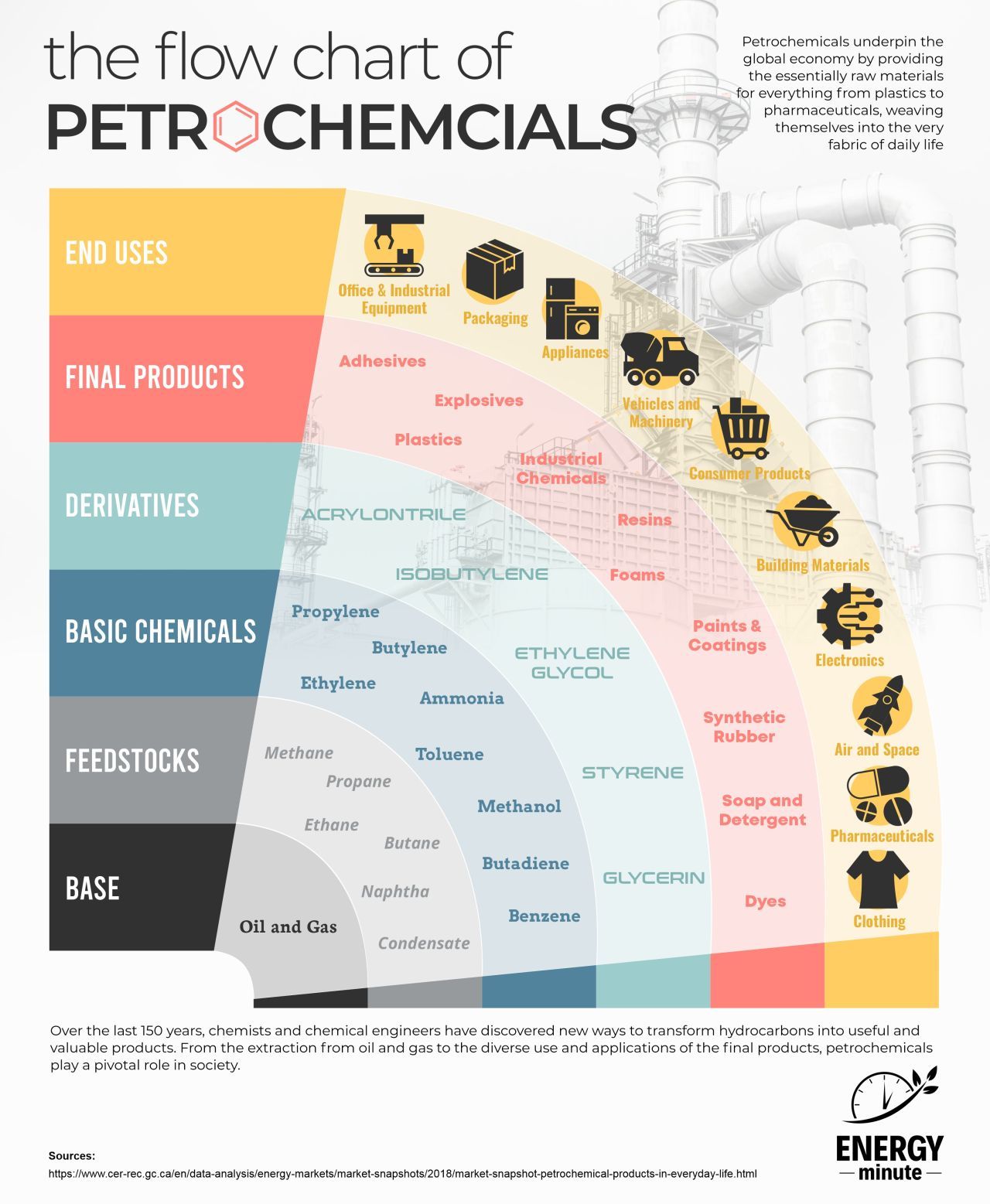
Blasi published an ENERGYminute infographic showing that oil and gas, after several refining cycles, are raw materials for production:
- office and industrial equipment;
- packaging materials;
- household appliances;
- vehicles;
- consumer goods;
- packaging materials;
- building materials;
- electronics;
- clothes;
- pharmaceutical preparations;
- space and aviation industry.
As you know, widely used plastic is also a product of oil processing.
"[Petrochemicals] is a sector of strategic importance, since the presence of a well-developed petrochemical industry in the country means access to many basic goods that are the basis for many important sectors of the economy," he emphasized.
Blazi noted that the sphere petrochemicals currently receive little attention, in particular efforts to recycle and reuse such products are still too limited.
He added that initially oil was massively used to generate electricity, later it became the basis for the transport sector. However, there are alternatives to it, including electric vehicles and some sustainable fuels.
Earlier, Ecopolitic wrote, that examination of archival documents and articles in the US has shown that the oil and gas industry has been informed of the potentially dire consequences of burning fossil fuels for the climate since 1954.
As EcoPolitic reported earlier, in Ghana, which is in Africa, 15 million units of "second hand" are brought to the Kantamanto market every week, which were given for recycling or charity somewhere in America, Europe or China. The share of clothes of the so-called fast fashion is growing at an alarming rate.