Germany closes 7 thermal power plants after the end of the heating season

Germany closes 7 thermal power plants after the end of the heating season shutterstock

Elizaveta Volkotrub

Germany's plans to reduce coal use to combat climate change have suffered after Russia's invasion of Ukraine

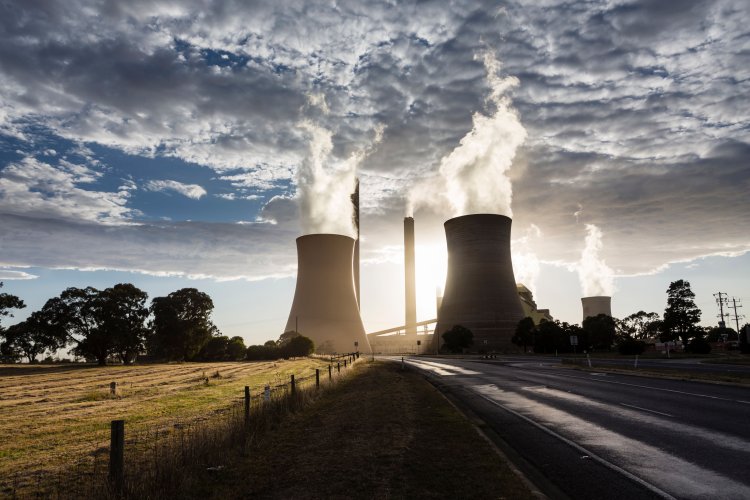
Electricity generation companies RWE and LEAG announced the closure of seven coal-fired power plants in Germany on March 31.

This is reported by DW.

For the winter period, the German government resumed the operation of five coal-fired power plants and allowed the continued operation of two more. At the end of the season, the German energy company RWE said that the closure of the plants would not cause any disruption to the security of energy supply.

The closure will lead to the decommissioning of about 2,100 MW of coal-fired capacity.

It is known that in July 2022, German Chancellor Olaf Scholz said that due to the shortage of Russian gas, the country plans to restart 16 inactive coal and oil-fired power plants and will continue to operate 11 more fossil fuel plants.

"Given the worsening climate crisis, the closure of coal-fired power plants is an important measure to reduce greenhouse gas emissions," said Katrin Henneberger, a member of the pro-government Green Party.

The German Ministry of Economy is to propose measures to compensate for additional greenhouse gas emissions by the end of June.

As Ecopolitic previously reported, in Germany, one of the largest chemical complexes in Europe, Covestro, has launched a pilot project to produce aniline based on sugar rather than oil refined products.
Related
The relaxation of the EU ETS, demands from industry, and forest fires: a round-up of EU economic news

The heatwave is already forcing investors to rethink their approach to risk management, yet the industry still wants to pay less for emissions

The European Commission has published the second quarterly carbon price under the CBAM

It will determine the value of certificates for goods imported during this period

The draft bill on the ETS is being pushed through without any debate or public disclosure of the document itself

Industry experts provided a great many comments on the previous version, but it is not known whether these were taken into account

The European Parliament has backed the tightening of the CBAM: what will change for importers

Countries suspected of attempting to circumvent СВАМ will pay the default rates rather than the actual rates