A team of scientists from the Federal Polytechnic School of Lausanne, Switzerland, has developed a pilot plant for the production of ultra-pure green hydrogen using solar hydrolysis technology.
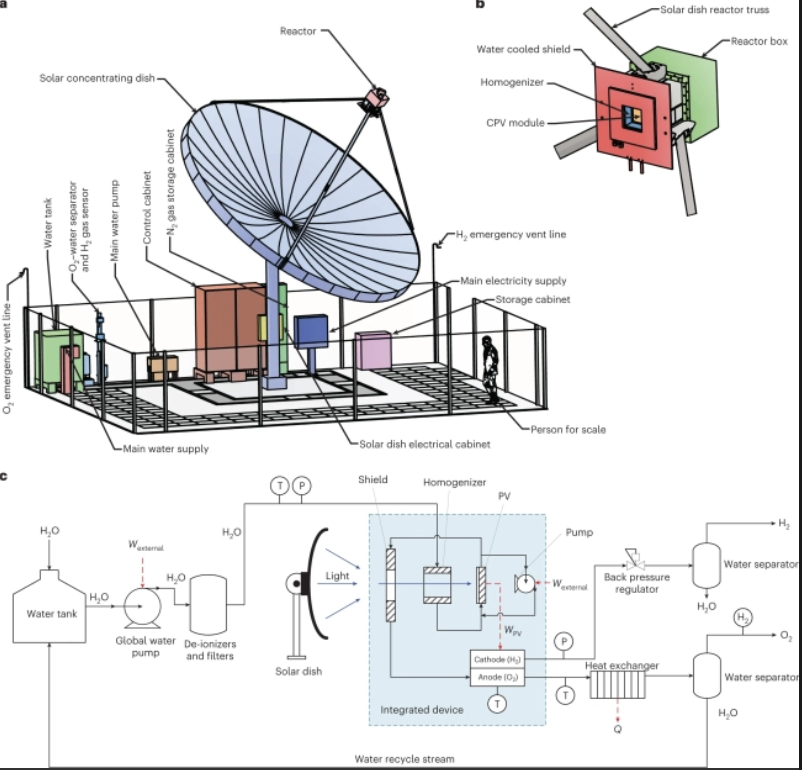
The system uses sunlight twice, heating the water and powering the photovoltaic panel, reports Hackaday.
It is noted that the system works on tap water, which passes through several filters for cleaning from solid particles and deionizers.
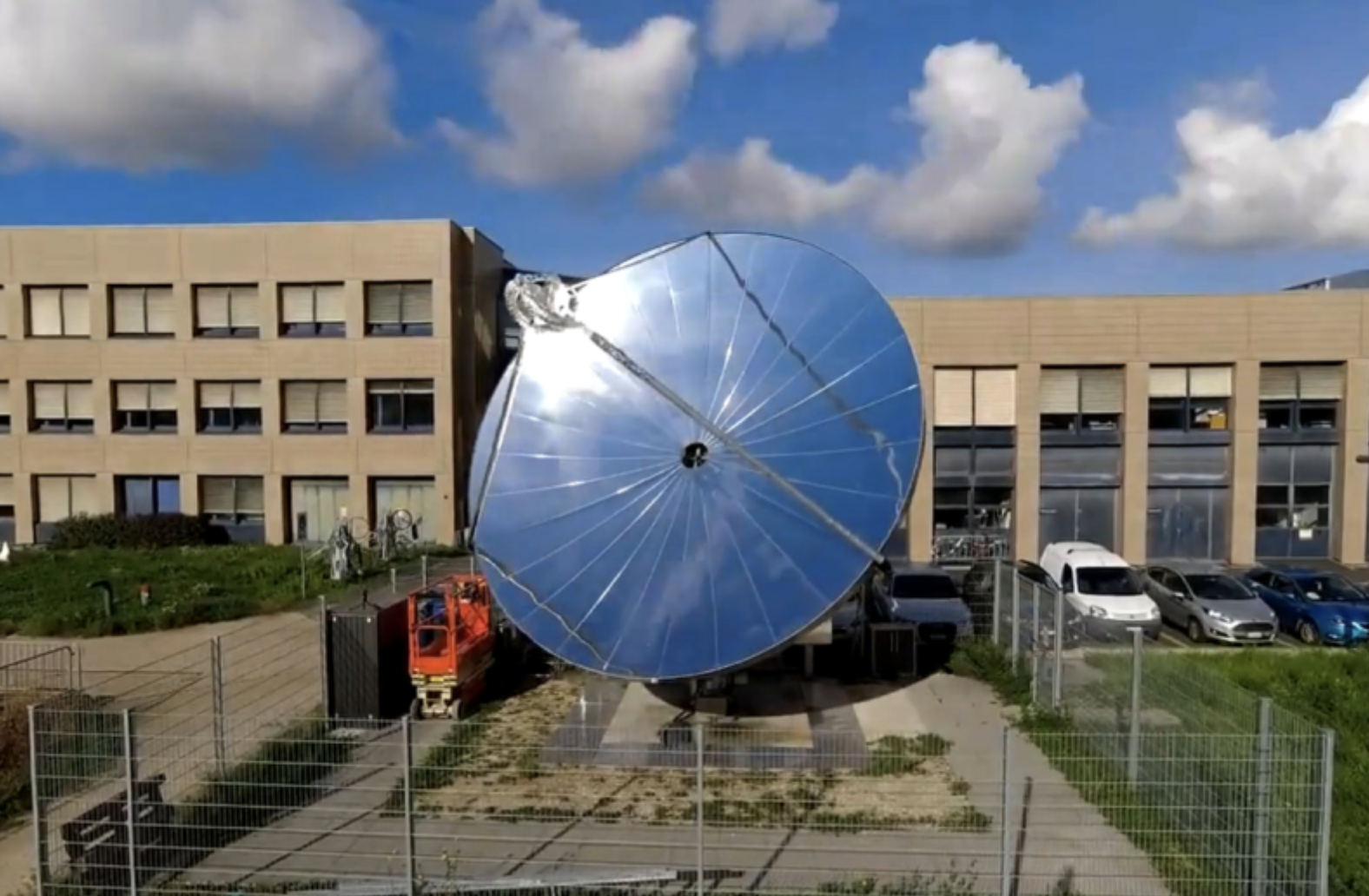
The material said that the installation has a seven-meter parabolic mirror dish that concentrates light. When light enters the reactor, it heats the water and powers the solar panel. The solar panel is powered by a PEM electrolysis cell that splits water into hydrogen and oxygen. That is, sunlight is used twice.
Hackaday emphasized that heating water significantly improves the performance of the electrochemical process.
It is noted that the spent heat of the system is captured with the help of a heat exchanger. It is used for heating external objects. Also, the by-product of hydrogen-oxygen production can be used in industry and medicine.
The material said that the pilot plant produces about 0.5 kg of hydrogen per day. This amount can ensure the operation of a hydrogen car in Europe for a year. The installation can provide about half of the electricity needs and most of the annual heat demand of the average Swiss household.
A larger system with a capacity of several hundred kilowatts is planned to produce hydrogen for a Swiss steel plant. It will also supply oxygen for medical use and hot water for use in the plant.
Earlier, EcoPolitic wrote, that chemical engineers from the Swiss EPFL University have developed an artificial sheet (a transparent and porous electrode) that converts water from air into hydrogen fuel.
As EcoPolitic previously reported, researchers from Princeton University and the National Oceanic and Atmospheric Association have established threshold values for hydrogen emissions, exceeding which will exacerbate climate change for decades.