Leading chemists from California-based startup H2MOF, USA, have developed a new type of hydrogen storage tank that should be the cheapest, most efficient and safest of all current offerings.
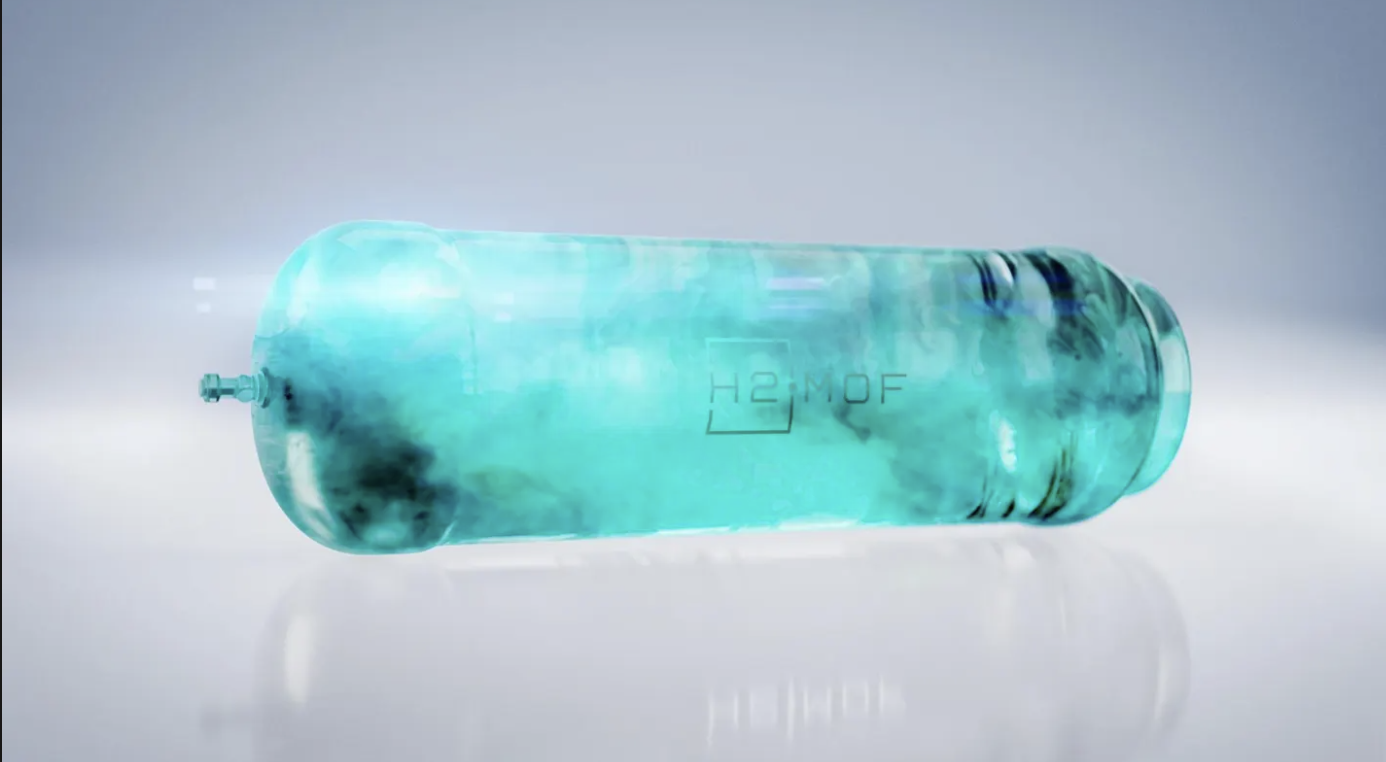
The metal-organic framework tank is capable of holding hydrogen in a solid state by adsorbing it into specially designed nanomaterials, reports Forbes.
It is noted that the tank was created on the basis of the research of the professor of chemistry at the University of California in Berkeley, Omar Yagi, and the laureate of the Nobel Prize in Chemistry, Professor Fraser Stoddart.
The startup plans to sell its hydrogen tanks after 2024 to manufacturers of heavy-duty hydrogen vehicles as well as fuel carriers.
The inventors explain that the design of the tank stores hydrogen like a water sponge. H2MOF uses a significantly lower pressure of 20.6 kg/cm2, while, for example, the Toyota Mirai tank uses 68.9 kg/cm2.
forbes.com
According to scientists, the technology will save $12,000 a year on energy losses, for example, when operating a transit bus on fuel cells. In addition, it will allow to increase the power reserve.
It notes that without efficient ways to transport and use hydrogen in vehicles, its potential to replace climate-warming fossil fuels will be limited. After all, currently about 30% of hydrogen energy is lost.
"Hydrogen storage and transportation remains a real technical bottleneck," said H2MOF CEO and co-founder Sameer Taha. "If we can contribute to solving the storage and transportation problem, it will unlock real demand and unlock real adoption of hydrogen."
Earlier, EcoPoliric wrote, that a report by the McKinsey consulting company showed that by 2050, the demand for hydrogen will increase fivefold, that is, to 600 million tons, against the background of the global green transition. However, "bottlenecks" can hinder the potential of ecological fuel.
As EcoPolitic previously reported, the US Department of Energy has allocated $7 billion to launch the first seven regional clean hydrogen hubs (H2Hub), which will produce 3 million metric tons of H2 per year.