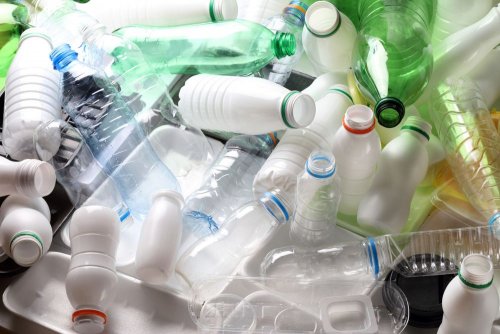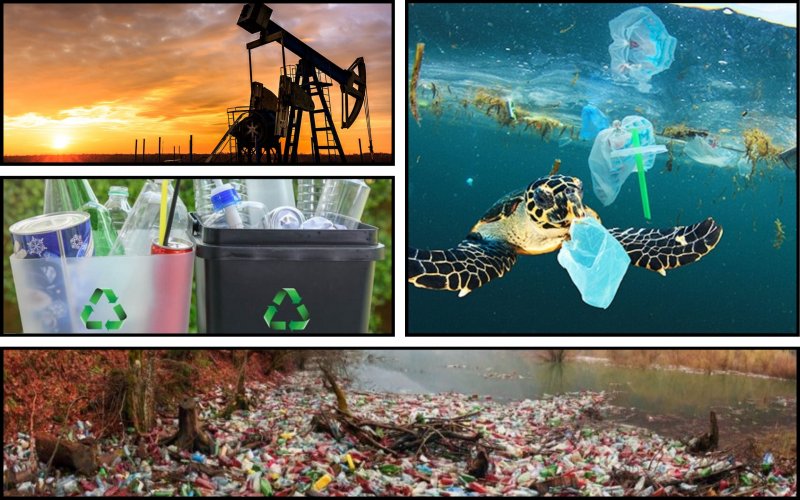
A study by the Centre for Climate Integrity (CCI) found that major oil companies and plastic manufacturers have known for more than 30 years that plastic recycling was not economically or technically feasible, as well as the environmental impact of plastic.
However, companies such as Exxon Chemical and the Society of Plastics Industry (SPI) have misled the public about recycling to avoid regulatory action and loss of profits, the Daily Mail reports.
The report claims that the plastic industry knew that certain types of plastic could not be recycled. However, they were mixed with those that could, making sorting difficult and expensive. Even though companies knew that recycling was not possible, they continued to promote recycling in marketing campaigns that still exist today.
CCI used internal documents from APC employees for its research.
"These data show that many of the same fossil fuel companies that have known and lied for decades about how their products cause climate change have also known and lied to the public about plastic recycling. The oil industry's lies are at the heart of two of the biggest of the most catastrophic environmental pollution crises in human history," said CCI President Richard Wiles.
He added that companies should stop misleading people and pay for the damage caused.
It is noted that plastics (petrochemicals) are made from fossil fuels, particularly oil and gas. They have an increased level of toxicity during decomposition and cannot be recycled into food packaging or food contact surfaces.
CCI researcher and lead author of the study Davis Allen said the waste disaster began in the 1950s when single-use plastics were created to get consumers to buy more and more products. At a 1965 industry conference, the Society of Plastics Industry urged plastics manufacturers to focus on low cost, high volume, and to develop materials that could be thrown into the trash.
However, attitudes towards single-use plastics began to gradually change in the 1980s.
The report claims that in an effort to save the plastics industry, companies have turned to recycling. However, in 1986, the Vinyl Institute warned that recycling cannot be considered a permanent solution to disposal, as it only postpones it.
One document from 1994 quoted an Eastman Chemical official as saying that while single-use plastics could become a reality, "it's more likely that we're going to wake up and realize that we're not going to recycle our waste."
Handwritten notes from a meeting between Exxon Chemical and the American Plastics Council quoted the then vice president of Exxon Chemical as saying that when it comes to plastics recycling, "we're committed, but not committed."
"This is clearly a scam that they are involved in," Wiles said.
As EcoPolitic previously reported, a study of archival documents and articles in the US showed that the oil and gas industry has been informed of the potentially dire consequences of burning fossil fuels for the climate since 1954.