The Italian government is abandoning a number of initiatives aimed at greening the economy, in particular regarding the termination of financing of international fossil fuel projects.
The refusal is explained by the fact that local businesses cannot afford the previously agreed goals of the transition period, according to Reuters.
The article emphasized that the new right-wing government has been in power for only five months. From the beginning of 2023, Italy demanded from the European Union:
- soften the directive aimed at increasing the energy efficiency of buildings;
- to rewrite plans to phase out cars with internal combustion engines;
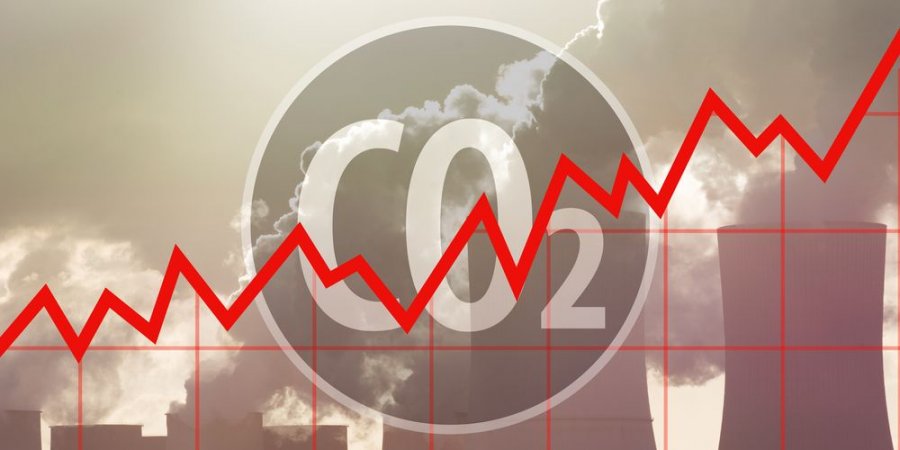
- questioned the rapid reduction of industrial emissions.
"The problem is that we cannot help the environment by destroying our industries," said Prime Minister Georgia Maloney. "The path to a green economy must be socially and economically sustainable."
It is said that climate activists have condemned the decline in green ambitions and warned that Italy's retreat could persuade other countries to follow suit.
The article emphasized that the European Commission warned Italy, against the backdrop of its refusal to sign environmental directives, that its industry will ultimately lose if it does not lead the movement in the development of new climate technologies. The country is still discussing with the European Union the fate of a number of green directives.
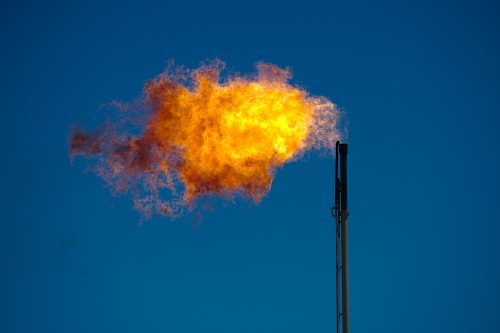
It is noted that Italy also unilaterally abandoned the commitment made at the 2021 COP26 summit in Glasgow. The commitment was to end funding for foreign fossil fuel projects.
The country's export credit agency SACE said it would continue to support oil distribution projects until January 2028 and oil storage and processing programs until January 2024. SACE refused to set a schedule for the termination of financing of such projects, explaining the decision by the energy crisis and the prospects for diversification of gas supply sources.
The article highlighted that Italy announced the withdrawal two days after the UN called on wealthy countries to cut emissions faster than planned. A new assessment by scientists has shown that there is little time left to avoid catastrophic climate change.
It is noted that before the full-scale Russian invasion of Ukraine, Italy imported 40% from the Russian Federation. In 2022, the country adjusted imports from other countries and announced plans to become a major energy hub, transporting gas from North Africa and the Mediterranean to the rest of Europe.
Critics have pointed out that this would require significant investment in new infrastructure. Also, once the new pipelines are operational, gas will no longer be needed due to fossil fuel constraints.
Earlier, EcoPolitic wrote, that in Venice, Italy, due to low tides and lack of precipitation, part of the canals became shallow, and gondolas, water taxis and ambulances cannot move through them.
As EcoPolitic previously reported, a state of emergency has been declared in five regions in Italy in July 2022 as more intense droughts and heat damage agriculture and energy supplies.