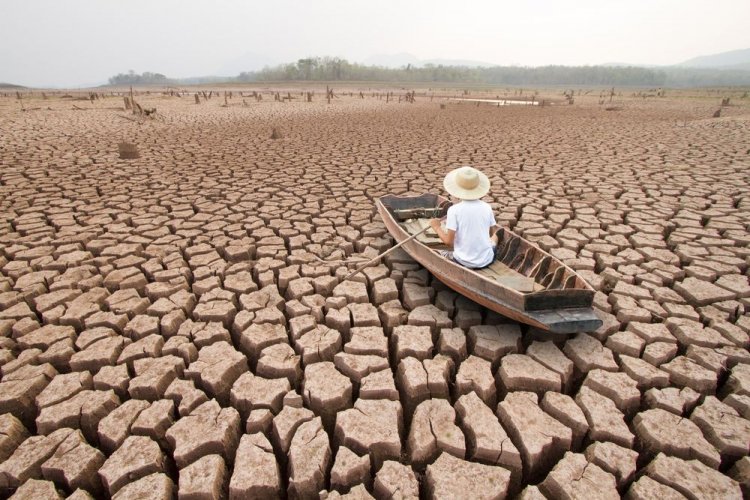
A state of emergency was declared in Italy five regions, as more intense droughts and heat damage agriculture and energy supplies.
This will lead to a contraction of the Italian economy by 0.2% in the third quarter and increase the risks of maintaining the country's public debt, reports Bloomberg.
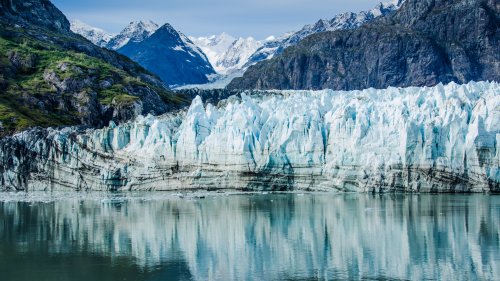
The state of emergency was declared on July 4, immediately after high temperatures caused an ice shelf to collapse onto the summit of Marmolada, killing at least seven people.
A country with a debt of about 150% of its GDP has allocated € 36.5 million to help drought-affected northern and central regions. Also, costs are increasing due to the war in Ukraine.
Bloomberg Economists estimated that the drought would cause Italy's economy to contract by 0.2% in the third quarter. This will not have a direct impact on the country's economy, but the drought increases the risks of maintaining the national debt.
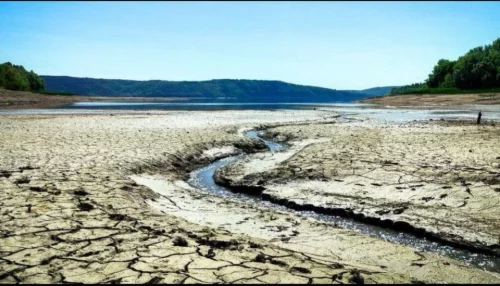
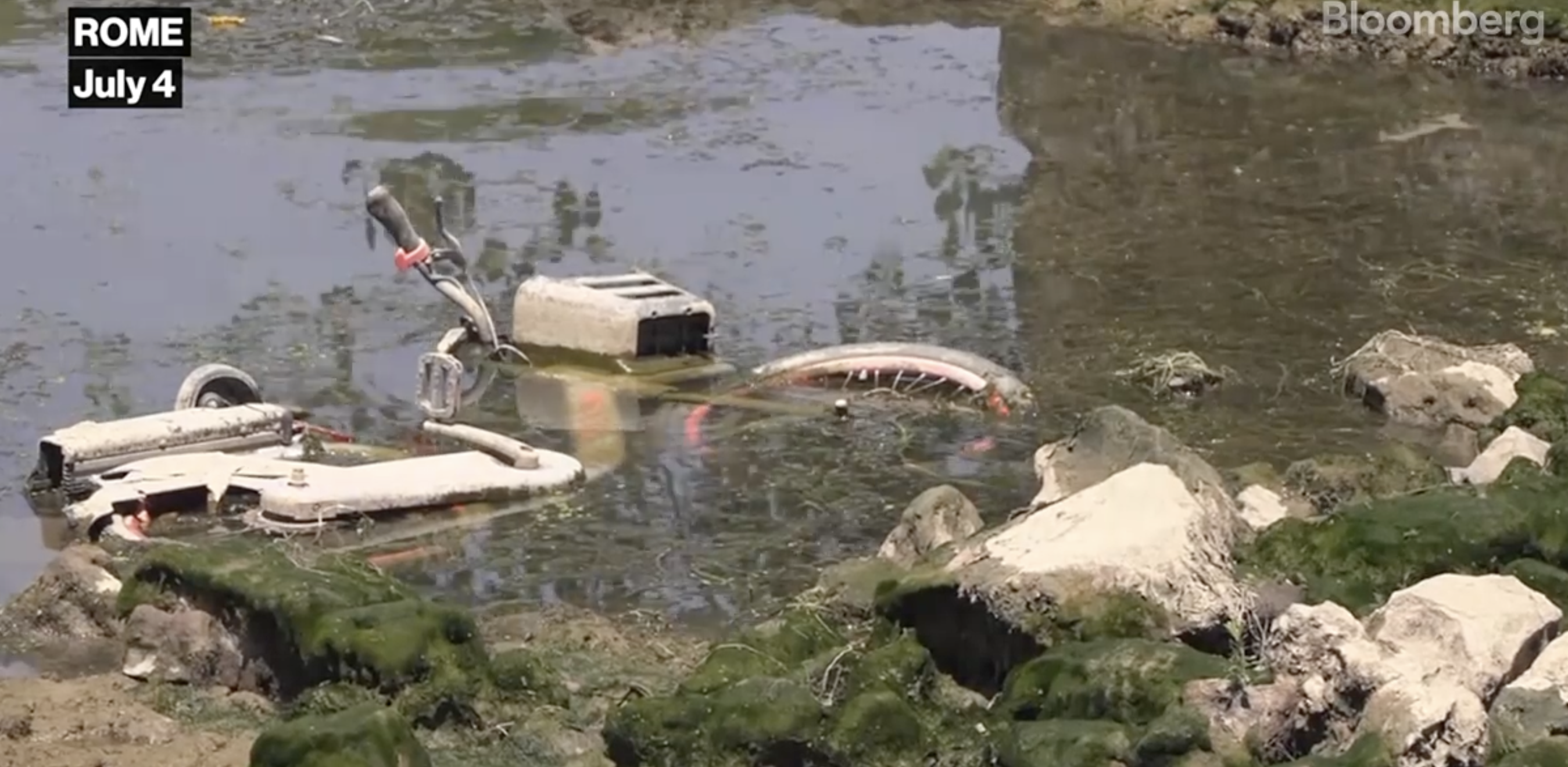
High temperatures and extremely dry conditions have caused water levels in the Po, the country's largest river, to be at their lowest level in 70 years. The Po Valley accounts for about 30% of Italy's agricultural production.
Drought has led to the fact that a German tank from the Second World War has once again surfaced from the bottom of the river.
Hydroelectricity production, which normally supplies 15% of the country's needs, has fallen by 50% this year, while saltwater from the Adriatic sea has entered a record 30.6 kilometers of the Po river delta, threatening agriculture and the drinking water system.
Water rationing is already being introduced in some cities in northern Italy. Pressure on domestic power generation comes as Russia cuts back gas supply to Europe
"The water crisis we are facing requires action at the national level," said Minister of Regional Affairs Mariastela Gelmini.
She called to highlight almost € 3 billion from EU funds to restore water pipes, build reservoirs and facilitate distribution for crop protection.
According to agricultural group Coldiretti, the extreme conditions have led to an estimated 30% decline in seasonal crops in the region, including fodder, barley, grain and rice. This worsened the already volatile situation for the industry due to the war in Ukraine. Heat over 40 degrees damaged up to 15% of crops in fruit farms.
Milk production will also suffer, as cattle will have to be slaughtered for meat earlier than expected. The country's drought puts as much as €3 billion in agriculture at risk, say lobbies.
We will remind a heat wave in the Alps has brought down the tourist glacier.
As EcoPoilitic previously reported, despite the Global Promise to reduce methane emissions at the climate conference in Glasgow emissions are growing faster, than recovery of production.