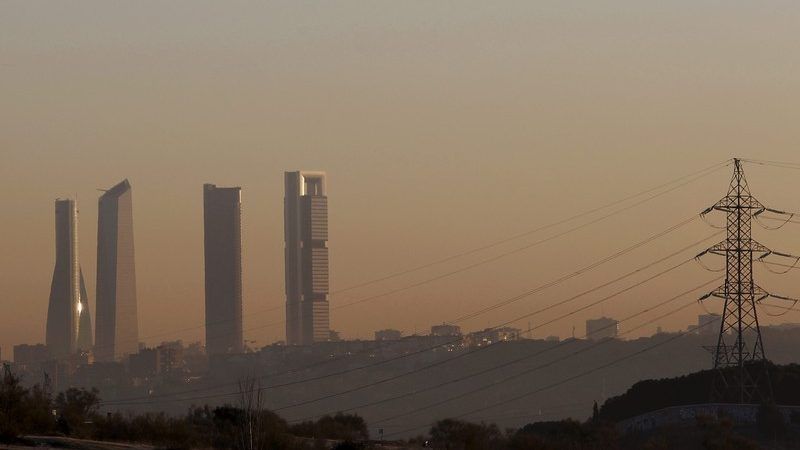
Spain moved away from its decarbonisation targets in 2021 and increased its carbon emissions by 3%, making the country the fourth biggest polluter in the EU, responsible for 8% of the bloc's total emissions.
This is stated in the report "Decarbonization in Spain 2022" of the Sustainability Observatory and consulting company Grandmother, reports EURACTIV.
The founder and coordinator of the Sustainability Observatory, Fernando Prieto, noted that radical changes will be necessary for Spain in the coming years. After all, in 2021, the country again deviated from the goals of the Integrated National Energy and Climate Plan (PNIEC).
Between 1990 and 2020, the country reduced its total carbon emissions by just 8%, while the UK reduced it by 45% and Germany by 42%.
"In terms of energy, Spain was the sixth largest emitter in 2020-2021 and the fifth most polluting EU country in 1990-2020, followed by Bulgaria, Estonia, Slovakia and Italy," the article says.
Prieto also noted that very few companies are behind a very important part of global warming.
He named the following companies as the biggest polluters, responsible for 57% of all carbon emissions in the market and 18.7% of total emissions in Spain:
- Repsol;
- Endesa;
- EDP;
- Arcelormittal;
- Naturgy;
- Cepsa;
- FCC;
- CEMEX;
- Iberdrola;
- Lafargeholcim.
The article emphasized that according to EU goals, Spain must reduce emissions by 55% by 2030 and strive to achieve climate neutrality by 2050. To meet this target, industrial sectors must aim to reduce emissions by 61% compared to 2005 levels, while transport, waste disposal sectors and the residential sector, among others, must aim for a 40% reduction.
Earlier, EcoPolitic wrote, that the UN Meteorological Agency warned that without much more ambitious actions physical and socio-economic the effects of climate change will become more and more destructive.
As EcoPolitic previously reported, Europe suffering from severe drought, which could turn out to be the worst in 500 years, causing rivers to dry up.