Ukraine is already showing real progress in achieving the goals of the National Energy and Climate Plan: more than 75% of the target reduction in greenhouse gas emissions has been achieved, and the share of renewable electricity has increased to 17.3%.
This was announced by the First Deputy Prime Minister of Ukraine – Minister of Economy of Ukraine Yulia Svyrydenko at the first meeting of the Interdepartmental Working Group on Monitoring the Implementation of the National Energy and Climate Plan (NECP) until 2030.
Why these figures do not indicate progress
It would seem that we should be delighted with such high rates of both emissions reduction and increase in the share of renewable energy. However, to get a realistic picture, we need to look at the reasons behind these figures.
Emissions
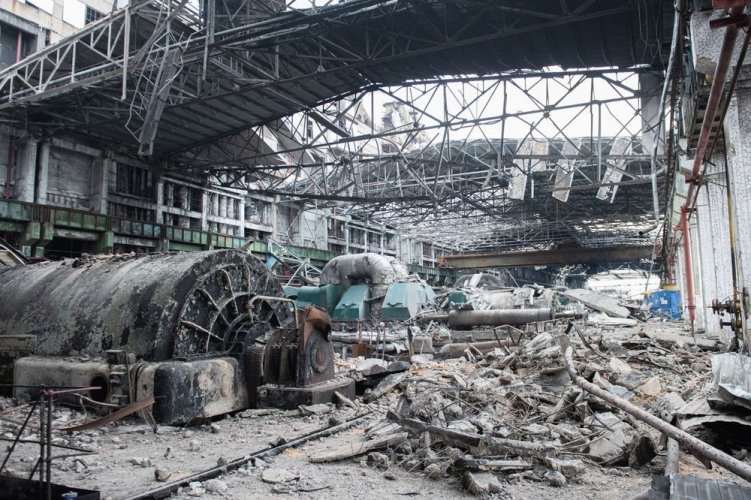
When it comes to reducing harmful emissions, the reason for this trend is not the modernization of equipment and production processes, but the deindustrialization of Ukraine caused by a full-scale war with constant shelling of industrial enterprises and an extremely difficult situation in the country's economy.
Some industrial facilities ended up in occupied territories, and a number of enterprises ceased operations due to their proximity to the front line. Other businesses were forced to suspend or even shut down their operations due to critical damage to workshops and equipment. So much for the “optimistic” 75%.
This was emphasized by stakeholders during a sectoral discussion as part of the preparation of Ukraine's new Nationally Determined Contribution (NDC2) for the energy and industry sectors. According to Pavlo Zhyla, head of the Committee on Ecology and Green Economy of the Federation of Employers of Ukraine, “forced decarbonization” is currently taking place, mainly due to the loss of territories, production and generating capacities, and the shutdown of large industrial facilities.
It is precisely decarbonization through deindustrialization that industrialists in EU countries are warning the European Commission against.
Renewable energy
With a figure of 17% of “clean” electricity, the picture is not so rosy either. Unfortunately, the increase in the share of renewable energy sources (RES) was mainly due not to the rapid development of this segment, but to the destruction of thermal power plants (TPPs) and combined heat and power plants (CHP). They became one of the main targets of Russian attacks on the Ukrainian energy sector during the full-scale war.
According to experts, by May 2024, more than 70% of domestic generating capacity had been damaged, destroyed, or occupied. As a result, the share of RES in the country's energy balance automatically increased, even if no new renewable energy capacity had been built at all.
As a reminder, on June 30, the concept of Ukraine's green recovery was presented. EcoPolitic reported on what it entails.