The European Commission has approved €6.9 billion in state aid for 33 Hy2Infra hydrogen infrastructure projects in seven countries of the bloc, the third major project of common European interest (IPCEI).
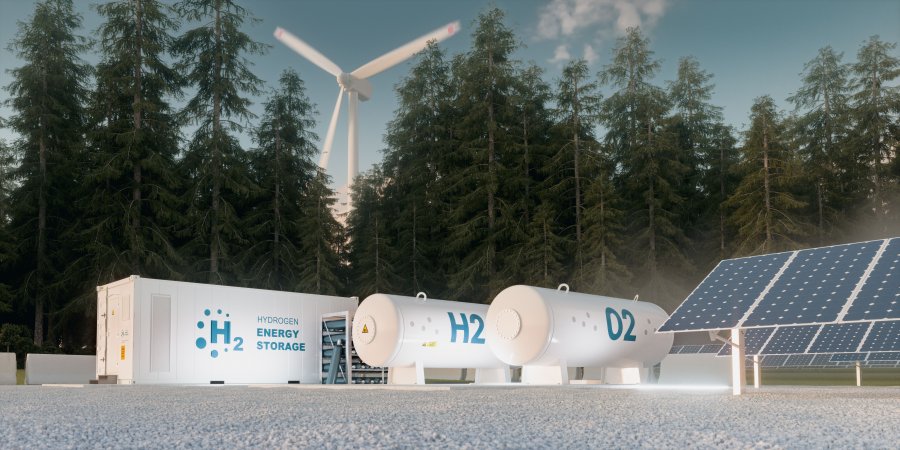
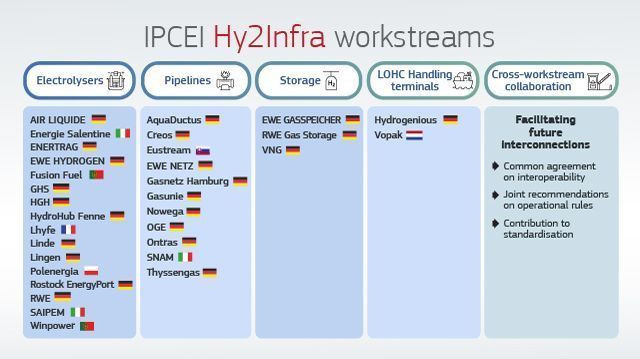
The projects, among other things, include the installation of 3.2 GW of large-scale electrolyzers for the production of green hydrogen and the development of large-scale storage facilities with a capacity of at least 370 GWh, the European Commission reports.
The report emphasized that Hy2Infra also envisages the deployment of new and repurposing of existing pipelines for the transmission and distribution of hydrogen with a length of approximately 2700 km. As well as the construction of transshipment terminals and related port infrastructure for the transportation of liquid organic hydrogen (LOHC) to handle 6000 tons of hydrogen per year. The projects are expected to be launched by the end of 2029.
It is noted that 32 companies will receive funding, including five small and medium-sized enterprises from seven countries, namely:
- France – 1 project;
- Germany – 24;
- Italy – 3;
- Netherlands – 1;
- Poland – 1;
- Portugal – 2;
- Slovakia – 1.
ec.europa.eu
This Hy2Infra is expected to increase the supply of green hydrogen, which will reduce dependence on natural gas and contribute to the bloc's climate goals. In addition, the project will attract €5.4 billion of private investment.
"All 33 projects included in the IPCEI are very ambitious, as they are aimed at the development of infrastructure that goes beyond what the market offers at the moment," explained the European Commission. –
The announcement emphasized that the companies will also work on interoperability and common standards to prevent obstacles and facilitate future market integration. IPCEI will support the gradual emergence of a pan-European hydrogen infrastructure, starting from various regional clusters.
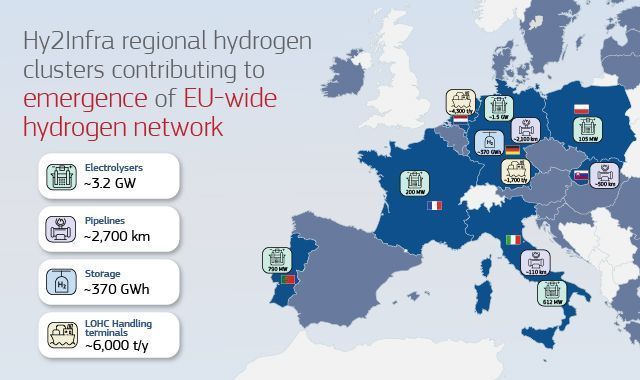
ec.europe.ec.europa.eu
The EC's executive vice-president responsible for competition policy, Margrethe Vestager, emphasized that the green hydrogen supply chain in Europe is still in its infancy. However, Hy2Infra will create the first structural elements of an integrated and open H2 network.
“This IPCEI will create the first regional infrastructure clusters in several Member States and prepare the basis for future interconnections across Europe in line with the European Hydrogen Strategy. This will help increase the market supply of renewable hydrogen and bring us closer to making Europe the first climate-neutral continent by 2050,” she said.
Earlier, EcoPolitic wrote, that Germany has agreed to merge its hydrogen fund H2Global Foundation with the European Hydrogen Bank, which will open up financing for international H2 imports for all member states of the bloc.
As EcoPolitic previously reported, a study by the German consulting company Roland Berger showed that by 2030, annual global hydrogen production will increase to 110 million metric tons. This is only a fifth of the required capacity to limit warming to 1.5°C.