Environmental activists are calling on PepsiCo to commit to making at least 50% of its packaging reusable or refillable by 2030 as the company must set a refill and reuse goal by the end of 2022.
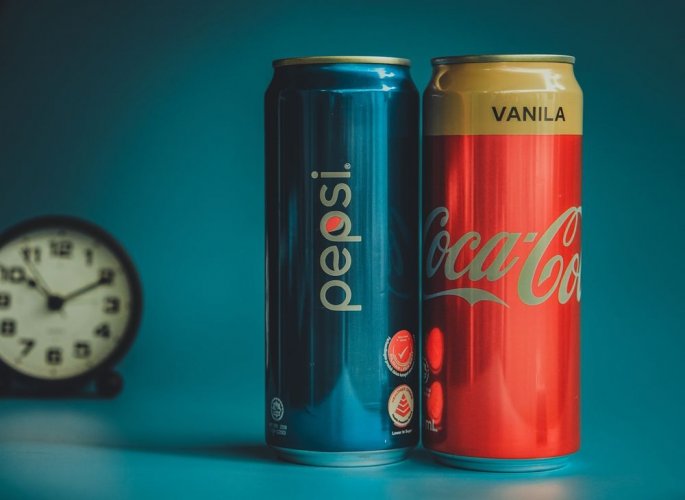
PepsiCo is being urged to set more ambitious targets than Coca-Cola, which has committed to making 25% of its packaging reusable or refillable by 2030, informs Greenpeace.
The rivalry between beverage companies dates back more than a century. Both brands ship most of their products in disposable containers, often made of plastic. The article noted that this method of distributing carbonated water is unsustainable, energy-intensive, pollutes our communities and contributes to climate change.
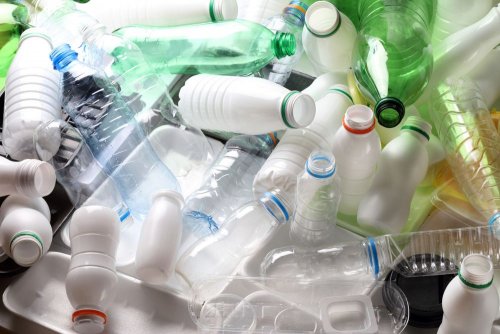
In the past four years, Coca-Cola, PepsiCo, Nestle and Unilever have been named the biggest plastic polluters in global brand audits.
"Their plastic waste can be found everywhere - in the food we eat, in our drinks, in the air we breathe, scientists have even found microplastics in our blood and our lungs," writes Greenpeace.
Until recently, companies have tried to increase the amount of recycled plastic in order to counteract pollution.
In February 2022, Coca-Cola committed to making at least 25% of its packaging reusable by 2030. This is the first time a major brand has made any commitment to refill and reuse.
Coca-Cola claims that already 16% of its packaging is refillable and reusable, primarily in Latin America. And while the company has a long way to go to lead the fight against plastic pollution, Coca-Cola is well ahead of Pepsi, which has zero repackaging.
However, in March, equity nonprofit AsYouSow announced that Pepsi had promised to set a refill and reuse goal by the end of 2022. However, how ambitious these commitments will be is unknown.
“Pepsi has a huge opportunity to beat its longtime rival in a way that many of us are ready for. People are very concerned about the plastic pollution crisis and climate change, which are very interconnected. Will Pepsi seize this moment and beat Coca-Cola in the replenishment and reuse race, or exit with a weak commitment that overwhelms and disappoints us at the end of 2022?" it is said in the material.
Reuse and refill will require buying and selling from customers, refill/reuse infrastructure, policy changes, and even collaboration between big brands like Coca-Cola and Pepsi. This is necessary to stop the waves of single-use plastic flowing into our oceans every day.
"The plastic problem is huge, it affects all of us, and it's time for the multi-billion dollar corporations that caused this crisis to really do something to fix it," Greenpeace said.
Recall PepsiCo refuse primary plastic in a bag of chips by 2030.
As EcoPoliticа previously reported, Coca-Cola HBC will become carbon neutral company until 2040.