Ukrainian agricultural holding Kernel is implementing a number of renewable energy projects that reduce energy dependence in production by using energy from renewable sources. The company is switching entire production facilities to biofuel and testing combined power supply with solar cells for transport.
Energy from husks for oil production
Oil production waste is becoming a source of renewable energy for the production of bottled sunflower oil. In this way, the company has managed to "close the loop" while utilizing sunflower processing by-products and providing energy for its equipment.
Biomass is becoming a resource for the production of the company's entire oil range – 40,000 tons of oil have already been produced entirely from clean energy. Kernel has received the relevant certification from the international auditor Bureau Veritas. The labels of Shchedryi Dar and Stozhar oils already feature the "Made with 100% green energy" marking.
Solar power for trucks
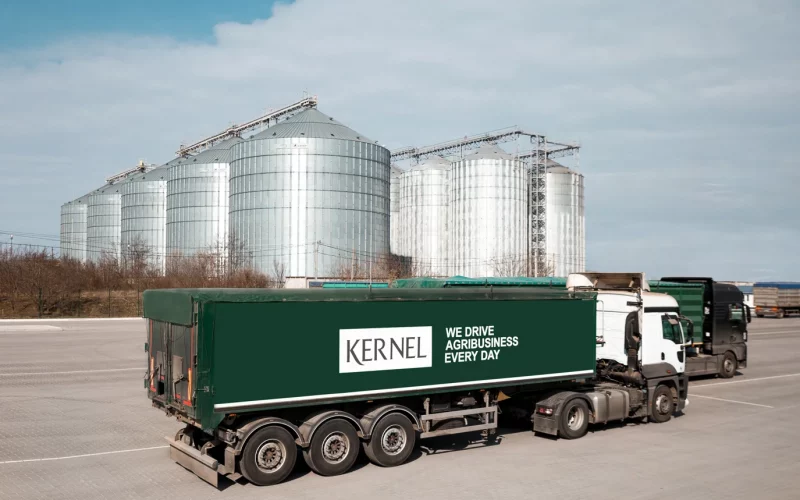
The company is also seeking to reduce fuel consumption in its mainline tractors. Kernel has announced the launch of testing solar panels from the Danish company Green Energy on Scania and DAF trucks.
Flexible and thin panels are mounted on the roofs of cab compartments and provide them with full power. This refers to the power supply of heating and air conditioning systems, as well as refrigerator operation.
The company expects a 7% reduction in fuel consumption, which will also mean a 7% reduction in transport emissions. At the same time, solar energy will reduce engine idling time, which will extend battery life and save on maintenance costs.
The solar technology will be tested throughout the year to assess its effectiveness on Ukrainian roads under various weather conditions.
In-house generation
This year, the agricultural holding plans to start the construction of a large solar power plant. Kernel CEO Yevheniy Osypov announced this in an interview with NV media.
The 250 MW solar power plant will be constructed in Chernivtsi region. Construction is expected to take two years, as the schedule will be significantly affected by regulatory and security conditions. Solar energy from Kernel’s station will be supplied to the unified energy system, to the domestic market.
The holding’s plans also include bioethanol production. Kernel notes that it is considering this possibility, as there is domestic demand for this product.
EcoPolitic previously reported that last year, three Ukrainian companies began exporting biomethane abroad. In just under 11 months, over 11 million cubic meters of gas were sold. The exporters are large agricultural companies that use organic raw materials for biomethane production.