The transition from fossil fuels to cleaner energy sources is essential to limit global warming. However, to keep global warming below 1.5 °C, the world must increase its total renewable energy capacity to 38.2 TW by 2050.
This is according to a report by the International Renewable Energy Agency (IRENA).
Analysts have modelled a scenario in which humanity can limit global warming in line with the Paris Climate Agreement. IRENA emphasises that phasing out oil, coal and gas requires more than piecemeal solutions – it demands political unity, regulatory support, financial incentives and the development of new energy infrastructure.
All this requires significant investment in energy networks. We are talking about $1 trillion annually between 2026 and 2035 and $1.2 trillion from 2036 to 2050. Overall, the level of electrification is set to rise to 50% by the middle of the 21st century.
The role of clean energy
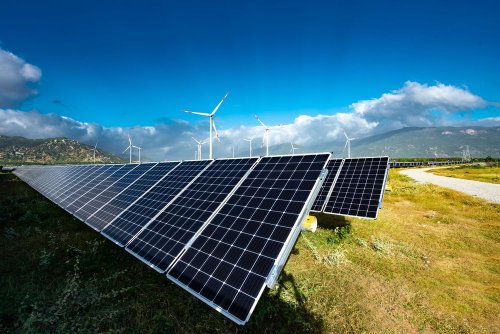
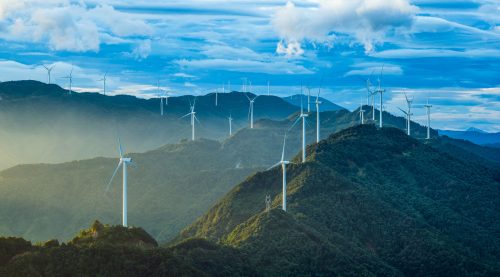
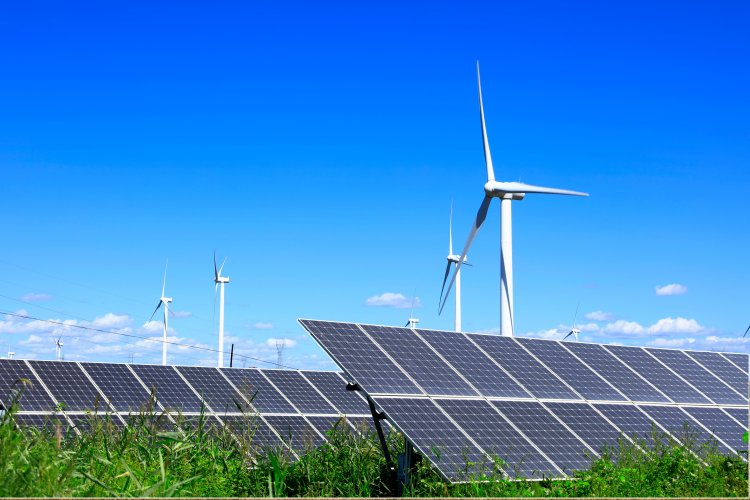
One of the key factors for moving away from fossil fuels is the shift towards “green” energy. IRENA notes that the current pace of capacity expansion remains insufficient. To achieve the climate target, renewable energy indicators should be as follows:
- 11 TW by 2030;
- 18.4 TW by 2040;
- 38.2 TW by 2050.
Storage systems
The instability of “green” generation requires scaling up the energy storage sector. Alongside renewables, wind and solar power can become reliable suppliers.
To realize an optimistic climate scenario, global installed energy storage capacity should be:
- 2,530 GW by 2035;
- 6,859 GW by 2050.
The agency also highlights the importance of grid flexibility. Its daily share should increase to at least 13% by 2035 and reach 30% by 2050.
EcoPolitic previously reported that the transition to clean energy has accelerated due to the war in Iran. The world is seeking safer alternatives to avoid dependence on fossil fuel imports.
At the same time, China's dominance in the energy equipment manufacturing sector poses a new threat, particularly to national security in several countries.