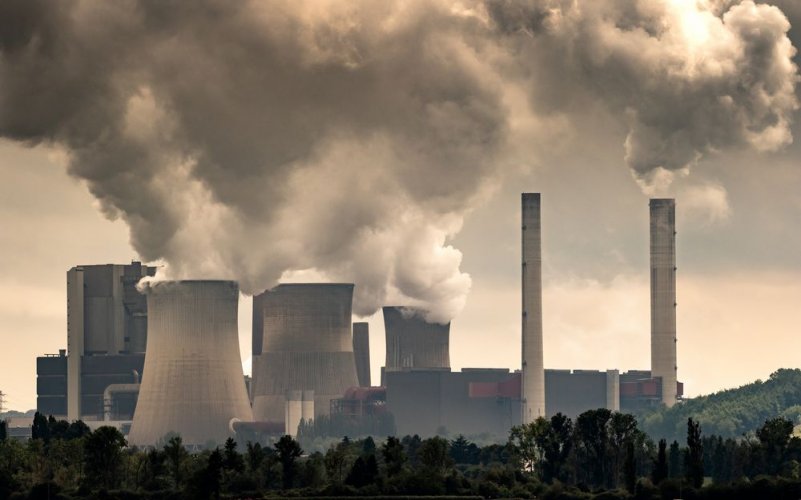
Burning fossil fuels not only harms the climate, but also threatens the health of at least 1.6 billion people due to the toxic emissions it produces.
This was reported by The Guardian.
A new interactive map from Climate Trace, a coalition of scientists and analysts that tracks pollution and greenhouse gas emissions. It shows that toxins are released into the air near the homes of about 1.6 billion people. Of these, about 900 million are near industrial facilities with extremely high emissions, including power plants, refineries, ports, and mines, which produce excessive doses of toxic air.
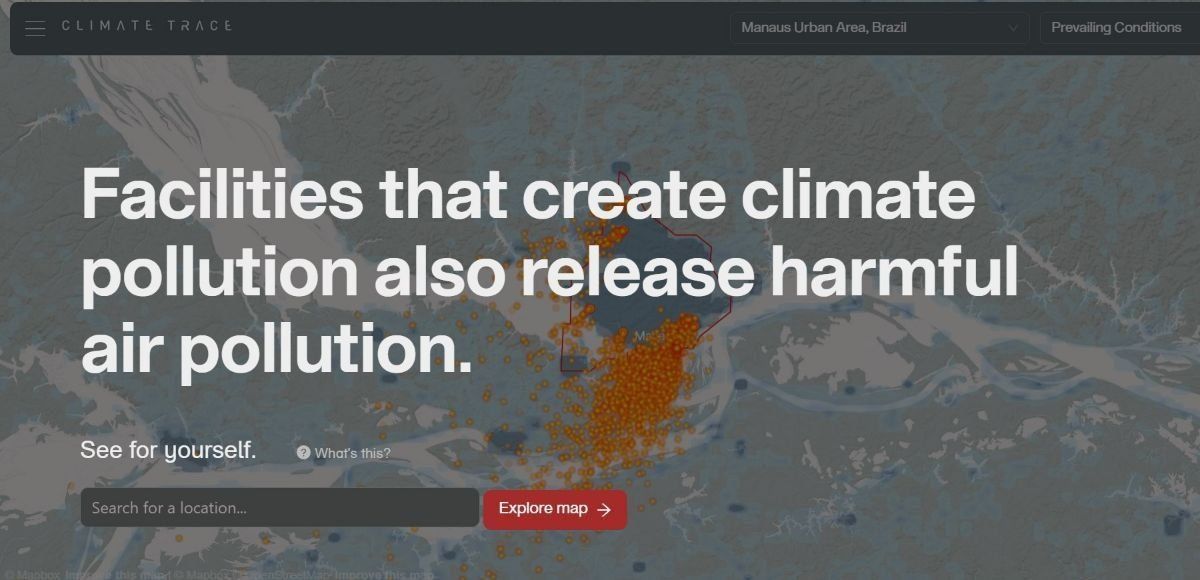
Photo: climatetrace.orgair-pollution
The organization has identified the most polluted regions:
1) Karachi, Pakistan;
2) Guangzhou, China;
3) Seoul, South Korea;
4) New York, USA.
At the same time, U.S. President Donald Trump shut down federal climate programs, ordered a halt to renewable energy projects, and published a climate report that scientists called “mockery.”
However, the Trump administration claims it is ready to consider some forms of combating pollution. His environmental adviser, Ed Russo, gave a speech during Climate Week, organized by Brazil last month in Rio de Janeiro. Russo spoke approvingly of efforts to combat pollution from landfills, dumps, and other sources.
Former U.S. Vice President and co-founder of Climate Trace, Al Gore, stated that there is a clear link between human health and the burning of fossil fuels.
“The particulate air pollution they also create is carried by the wind into surrounding areas and causes 8.7 million deaths per year. Now that we can clearly see how and where people are exposed to this harmful pollution, our leaders must take action to reduce it,” noted the co-founder of Climate Trace.
EcoPolitic readers will recall that at the UN General Assembly, 121 countries, including China, Russia and Japan, announced their intention to accelerate the reduction of greenhouse gas emissions.
The EU countries have not officially set targets, but have agreed to reduce emissions by 66-72% by 2035 compared to 1990 levels. The global shift toward clean energy leadership remains, even as the United States doubles its oil and gas exports.