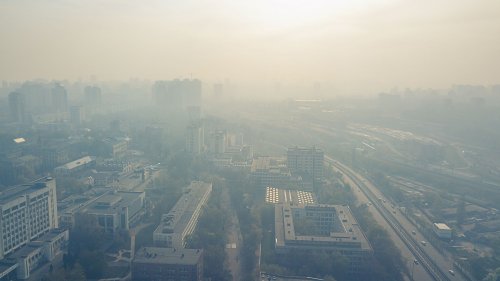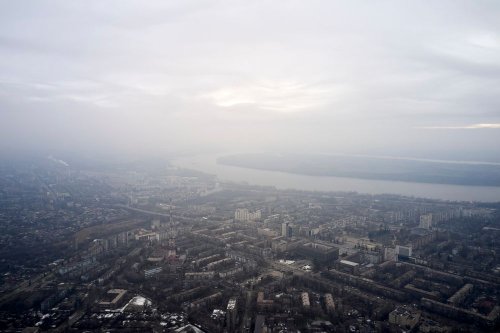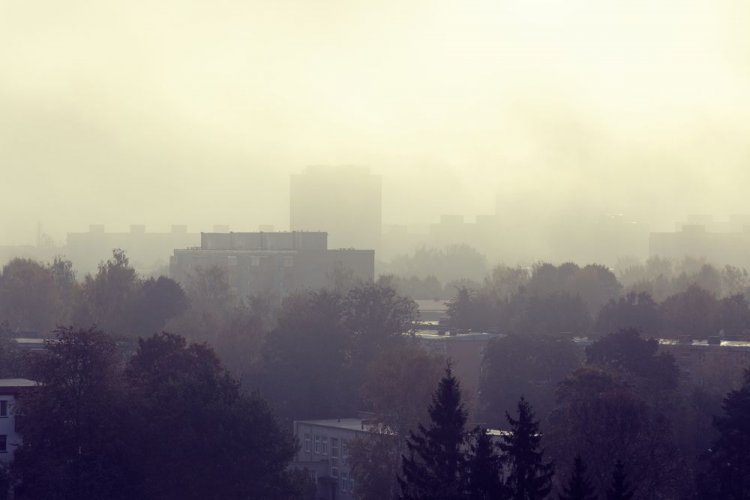
As of the morning of November 10, only a few regional centers are recording low pollution levels. In the rest, the air contains moderate levels of pollutants or even critical exceedances, at which people should limit their time outdoors.
This is evidenced by data from the international monitoring platform IQAir.
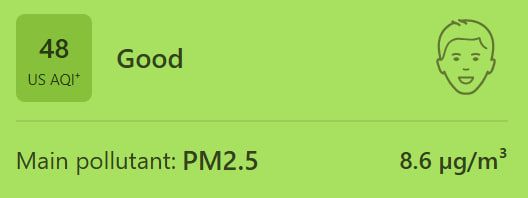
The average air quality index in Kyiv is 48 US AQI, which still corresponds to a safe level of pollution. The main pollutant is PM2.5 particulate matter, with a concentration of 8.6 µg/m3. For comparison, according to the World Health Organization, the average annual standard is 5 µg/m3.
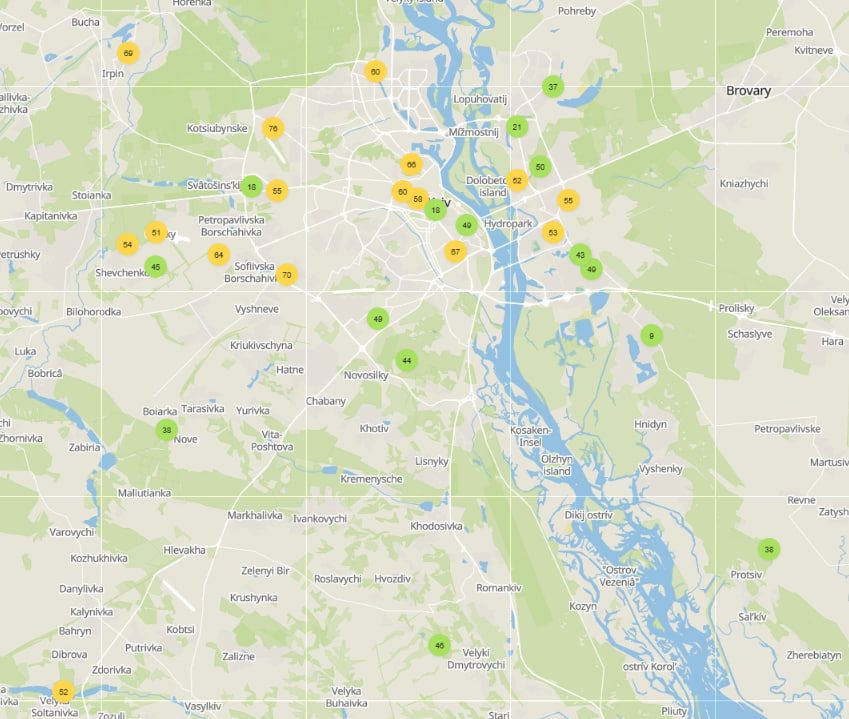
Moderate pollution is being recorded at certain locations in the capital. In particular, the dust concentration on Yevhena Konovaltsia Street is 17.7 µg/m3, on Sichovykh Striltsiv Street – 13.9 µg/m3, on Khotkevycha Street – 11.1 µg/m3, and on Kakhovska Street – 9.8 µg/m3.
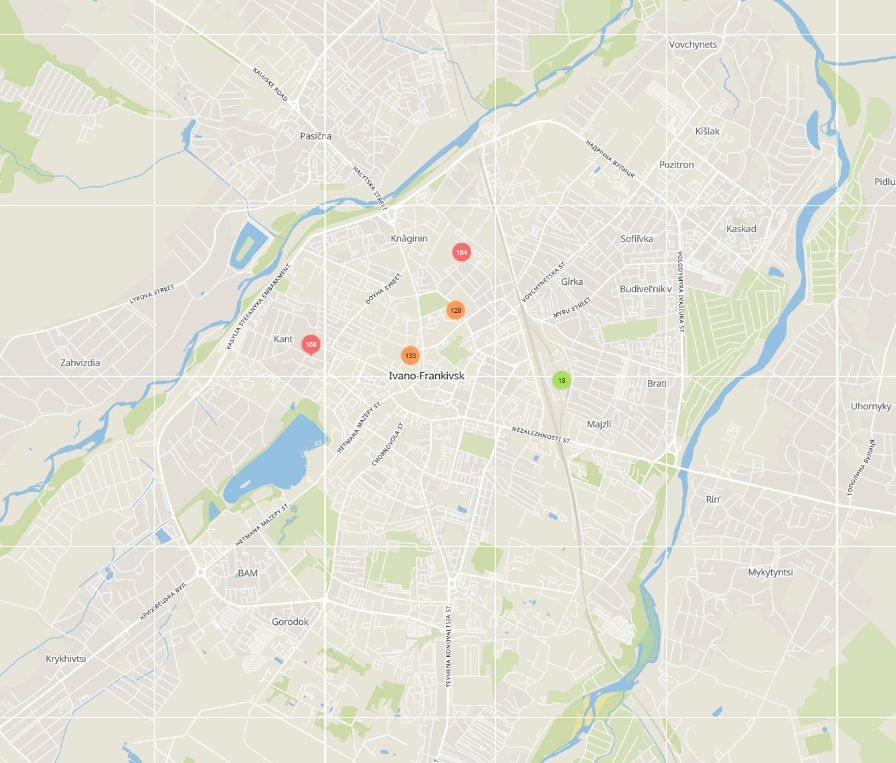
The air is currently worst in Ivano-Frankivsk. The pollution level here has an orange danger rating, meaning it is unhealthy for sensitive groups. The dust concentration has reached 47 µg/m3. Some monitoring stations are recording a "red" danger level. The air is harmful to absolutely everyone on Pelesha Street (dust content of 59.5 µg/m3) and on Belvederska Street (65.5 µg/m3 of dust).
Moderate pollution levels are recorded in the following cities:
- Lviv – 32.4 µg/m3;
- Rivne – 24.2 µg/m3;
- Chernivtsi – 20.9 µg/m3;
- Ternopil – 18.2 µg/m3;
- Lutsk – 17.1 µg/m3;
- Cherkasy – 16.2 µg/m3;
- Uzhhorod – 13.5 µg/m3;
- Khmelnytskyi – 11.7 µg/m3;
- Poltava – 11.4 µg/m3;
- Dnipro – 10.3 µg/m3;
- Zaporizhzhia – 10.1 µg/m3;
- Zhytomyr – 9.6 µg/m3.
As of the morning, the air is completely safe only in these regional centers:
- Chernihiv – 8.3 µg/m3;
- Kharkiv – 8.1 µg/m3;
- Odesa – 6.9 µg/m3;
- Vinnytsia – 6.3 µg/m3;
- Mykolaiv – 5.7 µg/m3;
- Kherson – 5.5 µg/m3.
Enemy attacks can cause local increases in pollutant concentrations of up to ten times. This is evidenced by the results of a study by Ukrainian scientists.