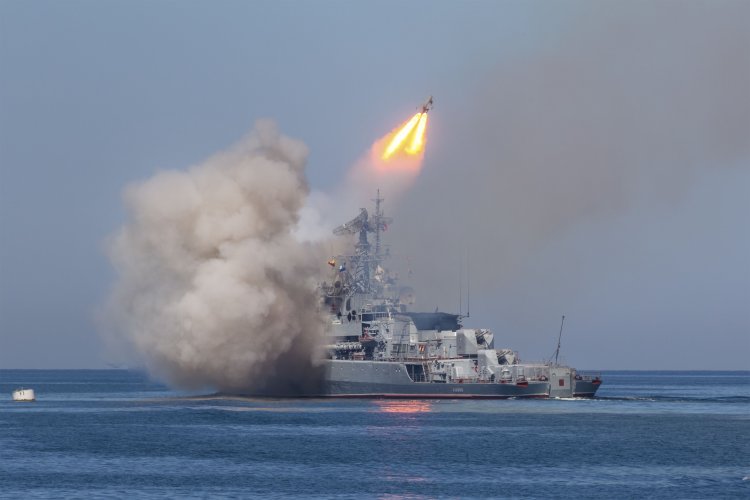
After the Kakhovka hydroelectric power plant dam was blown up, the state of the Black Sea deteriorated significantly. The head of the Green Leaf NGO, chemist and biologist Vladyslav Balinsky compared this environmental disaster to the accident at the Chernobyl nuclear power plant in terms of its impact on the environment.
This was reported by the Pryazovia News TV channel.
He attributes this, firstly, to the vast territory that was affected – both on the mainland of Ukraine and in the northwestern shelf of the Black Sea. It has captured, among other things, the coasts of Bulgaria and Romania.
Secondly, it is a huge volume of water. The expert recalled that the Kakhovka reservoir was the largest of 6 Ukrainian reservoirs in the Dnipro cascade. Therefore, the Black Sea has suffered significantly due to sharp desalination.
Thirdly, pollutants, including toxic substances, have become a significant factor in the negative impact. The Ministry of Environmental Protection and Natural Resources of Ukraine estimates that 400 to 600 tons of fuel and lubricants have been released into the water.
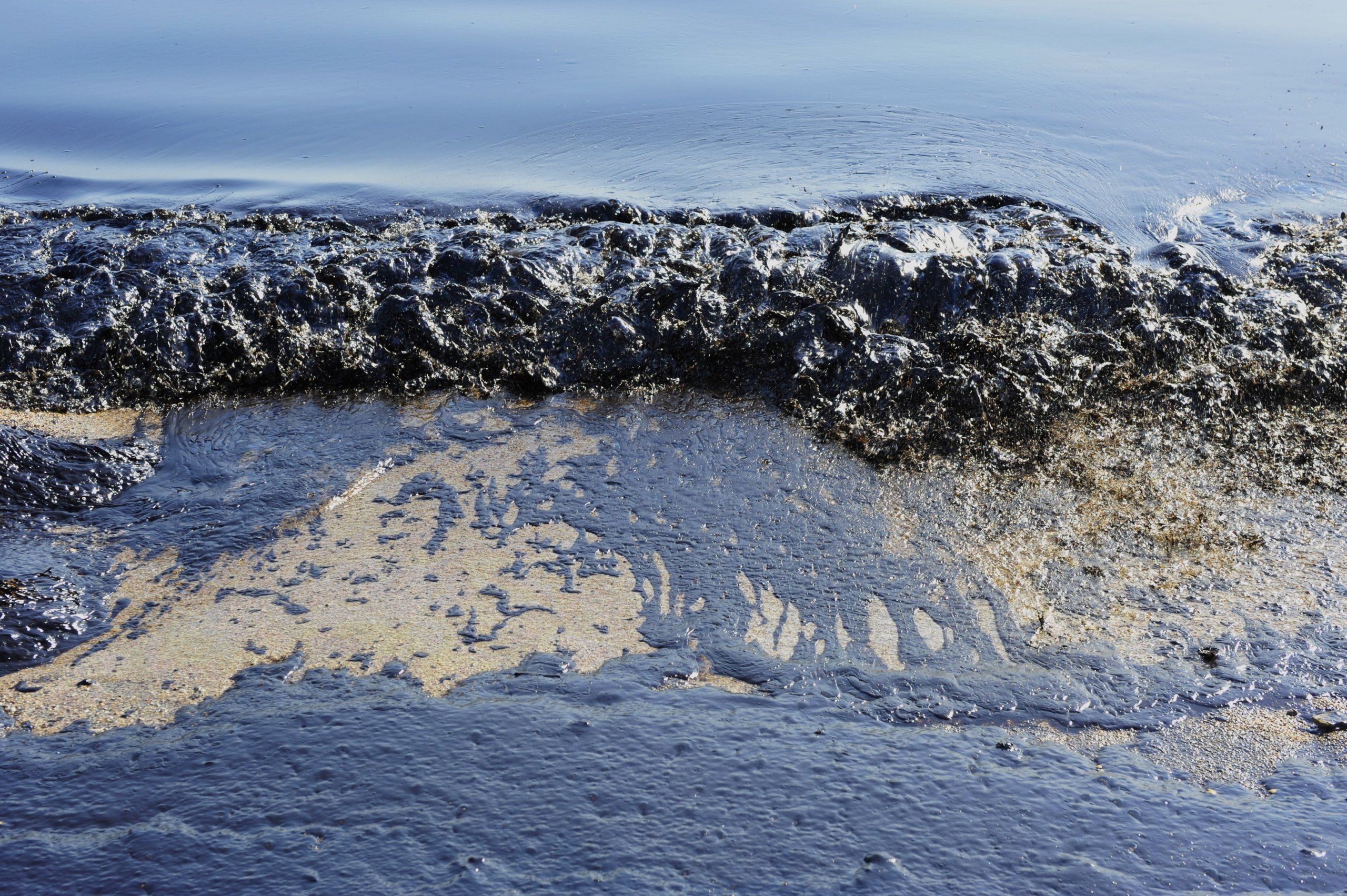
Vladyslav Balinsky said that scientists are currently observing a partial recovery of Black Sea ecosystems, but some processes in the reservoir are irreversible. This is the northwestern part of the sea – between Odessa and the Danube delta. It is this part of the shelf that plays the most important role in the reproduction of aquatic inhabitants. Unfortunately, it came under the maximum influence of this ecological disaster. As a result of dilution, the water in this part of the water area has become almost fresh. This had a negative impact on the condition of hydrobionts – the ratio of different species of marine inhabitants changed.
According to the expert, the occurrence of the so-called "red tide" is also connected with the pollution of the Black Sea. In summer, the intensity of this process, caused by the reproduction of dinoflagellates, or dinophytic algae, was very, very high. Scientists also recorded the blooming of cyanobacteria.
Such a large number of single-celled organisms and bacteria can cause suffocation or death processes when other hydrobionts simply do not have enough oxygen to breathe.
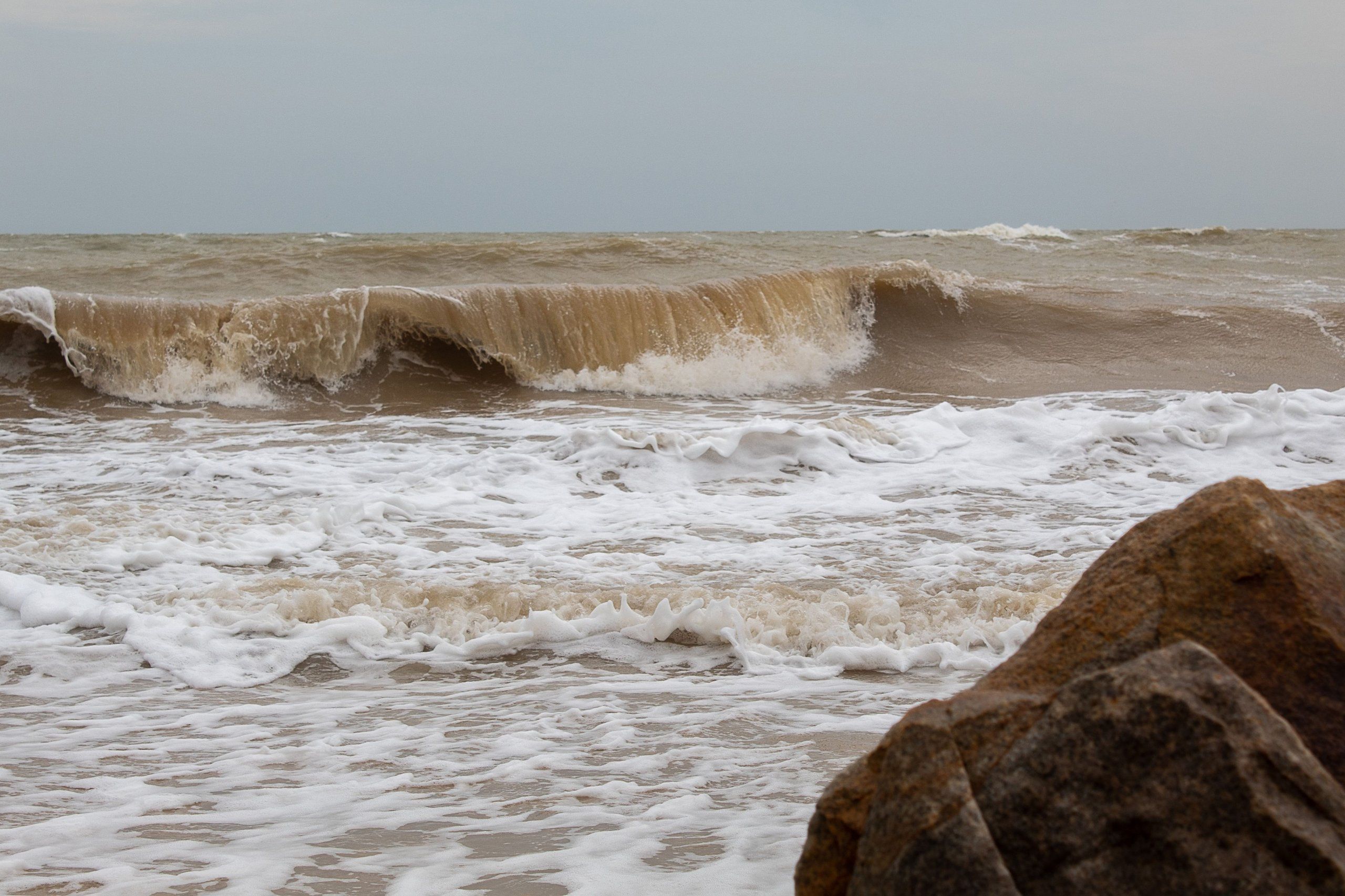
The leader of the environmental movement "Let's do it Ukraine" Yuliya Markhel said that some toxic substances that got into the Black Sea will decompose for decades. According to her, heavy metals that got into the water during the hostilities sink to the bottom, and then during storms they come to the shores again.
In small concentrations, they may not significantly affect human health, but their accumulation in the human body can lead to death.
"I made a decision for myself: neither I nor my family will swim in the Black Sea in our lifetime," said Yulia Markhel.
At the beginning of the summer, EcoPolitic already reported on the state of water in the Black Sea and its safety for vacationers. We also talked about the International Black Sea Day, which is celebrated on October 31.