Traders in the UK are placing record bets that the price of carbon credits in the country will rise. They expect the future Labor government to introduce a tougher climate policy, which will make environmental pollution more expensive.
This was reported by the Financial Times.
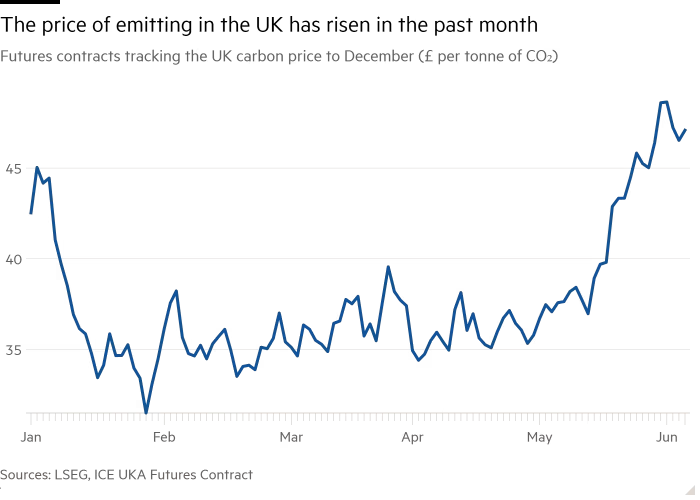
The base price for allowances in the UK carbon market, which give industrial polluters the right to emit CO₂, rose by 9% after Prime Minister Rishi Sunak announced a general election last month.
The benchmark price rose to £47 per tonne of CO₂ on June 7, continuing its rise from a low of £31 earlier this year. This was influenced by the Conservative government's decision to provide more emission allowances over the next 3 years, making emissions cheaper for polluters.
Contracts for the supply of carbon allowances are most often traded in December, giving polluters the opportunity to lock in a price before the emission permits expire.
Expectations of a change of government next month have led to a record number of bets that the price of UK carbon allowances will rise before the end of the year.
According to Tim Atkinson, director of carbon sales and trading at London-based CFP Energy, the appetite for allowances is partly driven by speculation that Labor will take a tougher approach to big polluters.
"We believe that if the government wants to reach zero emissions as soon as possible, it can further strengthen the targets and remove excess quotas," he said about market speculation.
Labor has not publicly said whether it will intervene in the market, but told the FT it has a long-term plan to "make Britain a clean energy superpower".
In January, EcoPolitic reported that Great Britain plans to introduce its CBAM for some industrial sectors. At the same time, we reported that industry of the country will receive $240 million from the government for decarbonization. Also in February it became known that green economy of Great Britain grew by 9% in 2023.