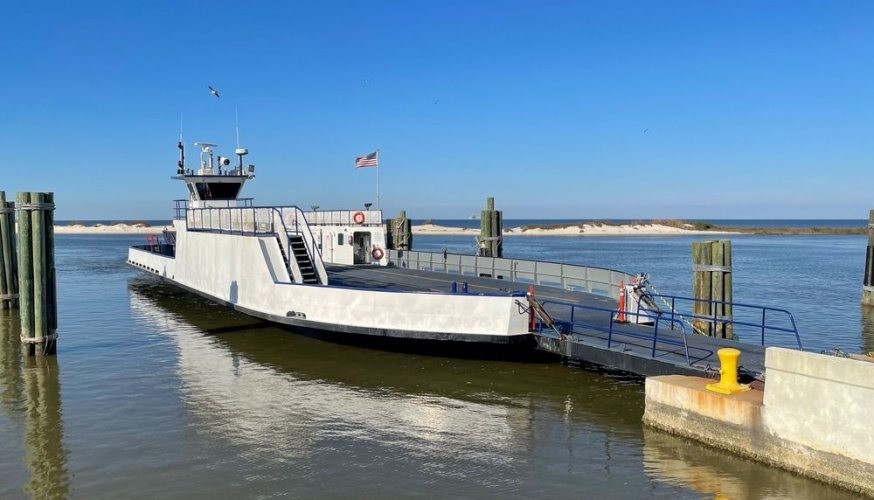
In the US, the 7-state Midwest Hydrogen Coalition aims to produce and use H2 for several decarbonization targets, including for trucks, cargo ships and Great Lakes ferries.
Researchers from the University of Michigan joined the study of the role of hydrogen in providing clean fuel for transport, reports Hydrogen Fuel News.
Scientists are investigating the use of this fuel with zero carbon emissions, primarily in heavy cargo and sea transportation, as well as in passenger transportation. Studies have shown that medium- and heavy-duty vehicles traveling on interstate highways are among the areas where H2 has the greatest potential.
The material noted that the Midwest Hydrogen Coalition will help accelerate the development of the hydrogen economy, in particular green production, storage, transportation and distribution of fuel. 7 states will work together to establish leadership in fueling hydrogen trucks.
The coalition was created at a time when The US Department of Energy has announced that it has committed $7 billion to a program that will fund regional clean hydrogen fuel centers across the country. The funding is intended for projects similar to those being developed by the new coalition in the Midwest.
Earlier, EcoPolitic wrote, that in the US, the new Inflation Reduction Act (IRA) will help implement innovative climate solutions, in particular a potential rail car that would capture carbon while in motion and require no additional external energy.
As EcoPolitic previously reported, the French transport company CMA CGM Group, which is mainly engaged in sea container transportation, creates Special Energy Fund, in the amount of $1.5 billion for 5 years to accelerate the energy transition.