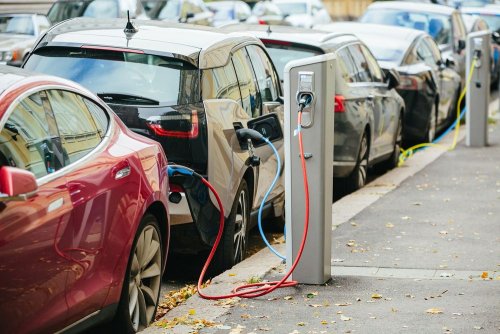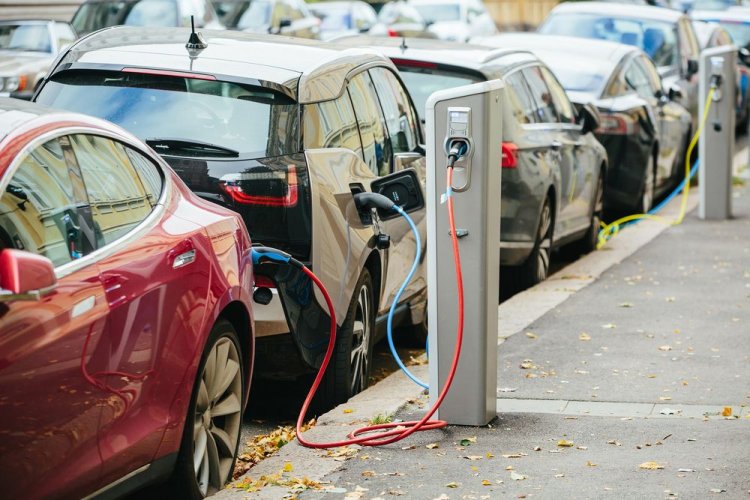
The European Parliament's lead committees have adopted a number of drafts on cutting greenhouse gas emissions from transport and strengthening incentives for electrification. Electric cars made in the EU will receive a "bonus" when emissions performance is calculated, but the bloc's overall decarbonisation target will be reduced by 12.5%.
EcoPolitic has analysed the MEPs' proposals and outlines the key ones.
Weaker carbon targets
Members of the Environment Committee backed a draft that postpones the achievement of decarbonisation targets. Whereas the EU vehicle fleet was previously expected to reach a 100% reduction in CO2 emissions by 2035, the European Parliament proposes lowering this figure to 87.5%. For commercial trucks, it is proposed to limit the 2030 target to 35% instead of 50%.
The transport sector may also count the use of low-carbon steel produced in the EU towards emission reductions. However, from the moment these rules enter into force until 2034, such carbon credits must not exceed 3% of the total reduction.
In addition, MEPs propose some adjustments to the definitions. For example, they want zero-emission transport to include not only vehicles that do not directly produce CO2, but also those that run on renewable and low-carbon fuels.
A bonus for European electric cars
When average specific CO2 emissions are calculated, some electric cars will count for more than others. Small EU-made electric cars (up to 4.2 m long) will count as 1.4 vehicles, while highly efficient ones made in the EU with a strict electricity consumption threshold will count as 1.2.
Decarbonising corporate fleets
The Transport and Environment Committees adopted a joint position on how to encourage the commercial sector to switch to "clean" transport.
In the draft, they propose setting a high bar for the share of new commercial vehicle registrations: 67% in 2030 and 95% in 2035. These targets apply only to large companies registered in the EU with more than 250 employees and a turnover of over EUR 50 million.
In addition, the European Parliament wants to give EU member states some freedom in how they promote the decarbonisation of this segment, for example through the development of charging networks, tax breaks and other measures.
MEPs also want each country to develop, implement and regularly update national plans for the uptake of zero- and low-emission corporate vehicles from 2028.
EcoPolitic previously reported that the partial switch to electric vehicles has saved the world USD 20 billion during the war in the Middle East.