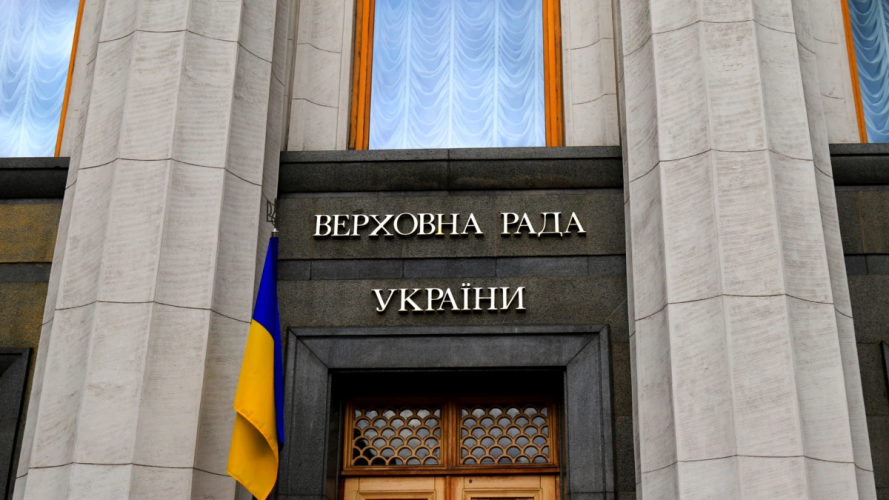
Ukrainian MPs persistently and regularly draft and vote on bills that pose a potential threat to nature conservation. Civil society activists have analysed who is involved in pushing through the most harmful of these.
The ‘anti-leaders’ ranking was compiled by the civil society initiatives ‘Golka’ and ‘Ecology, Law, Human Rights’. In their assessment, the activists drew on feedback from environmental organisations and experts.
Ruslan Stefanchuk, Speaker of the Verkhovna Rada, topped the anti-rating. Activists awarded him this dubious ‘leadership’ due to the draft amendment to the Civil Code (No. 15150), of which he is the main proponent. This damaging bill is currently being prepared for its second reading.
"A petition against the draft code has gathered over 25,000 signatures, whilst MPs have tabled over 15,000 amendments — a record in the parliament’s seven years of operation. The Ministry of Justice has also recommended removing Book Nine of the draft, which contains the provisions most harmful to the environment. At the same time, the attack on the current Civil Code began last year with the so-called ‘Ihor Mazepa Act’,” noted Iryna Fedoriv, head of ‘Holka’.
The key environmental threat posed by this document is the risk of valuable land being lost. It does not matter whether the land in question is a valuable forest or an archaeological site; if the relevant authorities have not managed to enter it in the appropriate register, a notary will be able to transfer ownership without hindrance. In other words, digital data is given precedence over the actual situation.
Furthermore, the amendment to the Civil Code could disrupt the mechanism for legal disputes over valuable territories, which has been well-established over decades. It will enshrine a provision stating that the limitation period begins from the moment changes are made to the register and ends three years later. EcoPolitika has written in more detail about the threats posed by the draft bill in a separate article.
The rest of the ‘pests’
Activists ranked the other four MPs from this group of five jointly in second place. These are MPs Ihor Firs, Ihor Marchuk, Oleksandr Haidu and Tetiana Hryshchenko. Each of them has been involved in a series of controversial legislative initiatives, and they have even joined forces to push through some of these bills.
These documents include:
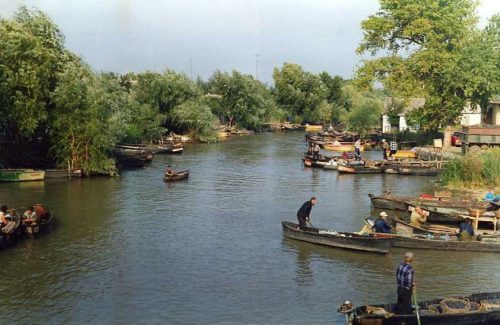
- No. 12384 “On the Promotion of Economic Development in the Fisheries Sector”, which will allow industrial operators to enter the areas of reservoirs from which people obtain their drinking water;
- No. 12117 “On Amendments to Certain Legislative Acts of Ukraine Regarding the Improvement of the Functioning of Industrial Parks”, which effectively excludes industrial parks from the scope of the Law “On Environmental Impact Assessment”;
- No. 5202-d “On Water Users’ Organisations and the Promotion of Hydrotechnical Land Reclamation”, which permits water abstraction from water bodies, regardless of their condition, water levels, or the impact on biodiversity and ecosystems;
- No. 15431 “On Game Management, Hunting and the Sustainable Use of Game Animals”. Activists view this draft law as a relaxation of existing bans, which pose a direct threat to biodiversity.
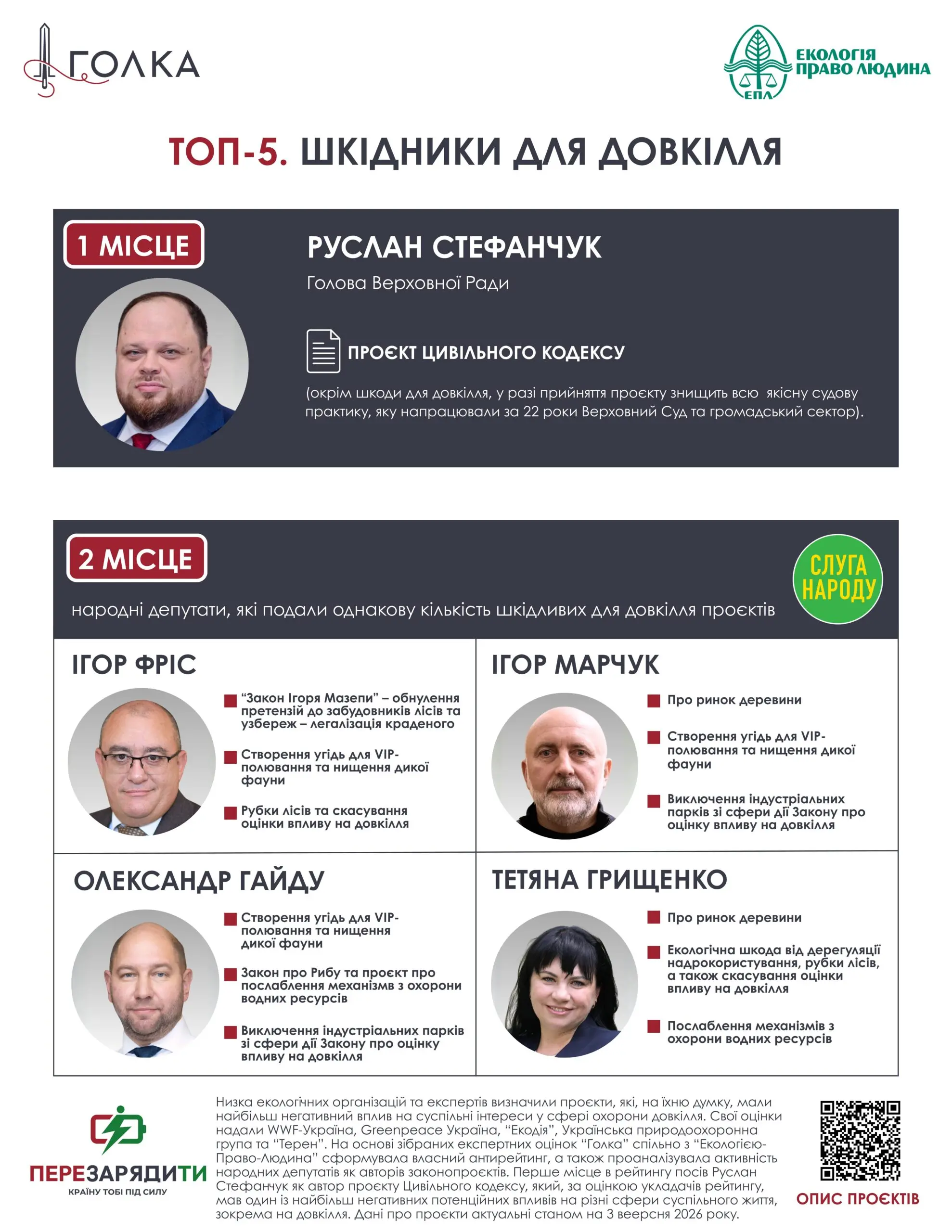
Source: "Holka"
EcoPolitics previously reported that this involves the promotion of hunting as a form of ‘active tourism’, the disregard for the closed season, and the use of killing devices that are banned in civilised countries. For more details on the threats, see the article.
The Verkhovna Rada Committee on Ukraine’s Integration into the EU criticised this draft law, describing it as immoral and anti-European.