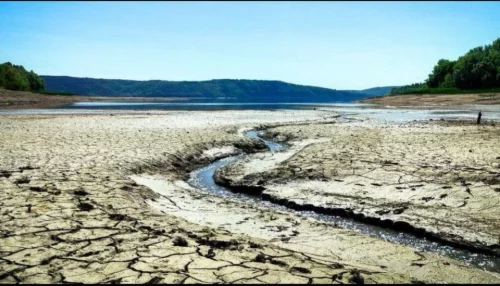
Several countries in southwestern Europe found themselves under an abnormal heat dome this week. High pressure cleared away all the clouds, leaving the sun to mercilessly bake the ground. This first heat wave of 2026 has already claimed lives.
EcoPolitic has compiled information on the results of the record-breaking heat and calls for concrete action.
Alarming records
In several countries, temperatures significantly exceeded the long-term climate norm. The most striking records were set in London and Paris—where it was 16°C and 14°C hotter, respectively. Both France and the United Kingdom, according to Euronews, declared May 2026 the hottest on record.
“Temperatures of this magnitude were once exceptional even at the height of summer. 35°C in the UK in spring is absolutely incredible, but the science is clear: climate change is making these heatwaves hotter, longer, and much more frequent,” said Friederike Otto, professor of climatology at Imperial College London.
As reported by Bloomberg, 39°C was forecast for southern France on Thursday. Thirteen departments in the west of the country were placed under a yellow warning. In the country, seven direct and indirect deaths linked to the heat have been recorded.
In German North Rhine-Westphalia, people were urged to conserve water by reducing garden watering and pool filling, while in Portugal, authorities declared a maximum risk of wildfires.
Escalating water сrisis
Extreme temperatures have caused water shortages in several regions. According to Reuters, more than 20,000 people in southeastern England faced this issue on Friday, 29 May, having to queue for water. As of Thursday, The Guardian reported 11 heat-related deaths due to people seeking to cool off in bodies of water.

Source: REUTERS/Kevin Coombs
Global warming in practice
Scientists state that this extreme heatwave is a direct manifestation of global warming. They also emphasize that it is humanity’s activities that are provoking and accelerating climate change.
Another blow to fossil fuels
A number of experts and international organizations, against the backdrop of a burning Europe, have once again declared that the world urgently needs to abandon oil and gas. These principal sources of greenhouse gas emissions are no longer just “scare stories” in the news-millions of Europeans are now feeling the consequences first-hand.
“This latest heatwave in Europe is a harsh reminder of the growing consequences of the climate crisis, both human and economic. The main culprit is the world’s reliance on burning coal, oil, and gas, as well as deforestation,” said Simon Stiell, Head of the United Nations on Climate Change, as quoted by Politico.
Overall, May broke the historical record with an unexpected lead of 2°C. Peter Thorne, Director of the ICARUS Climate Research Centre at Ireland’s Maynooth University, called this jump “incredibly insane.”
EcoPolitic previously reported on the consequences of the first heatwave for the energy sector. Clear skies caused a surplus in solar generation, which in turn led to negative energy prices. At the same time, a likely deficit and water heating pose threats to hydropower and the cooling of nuclear reactors.