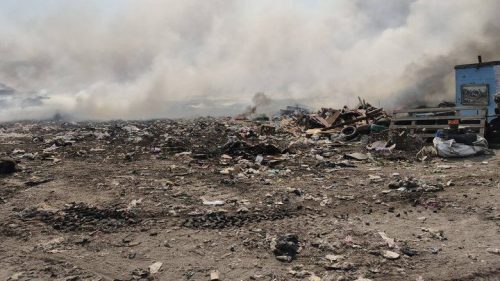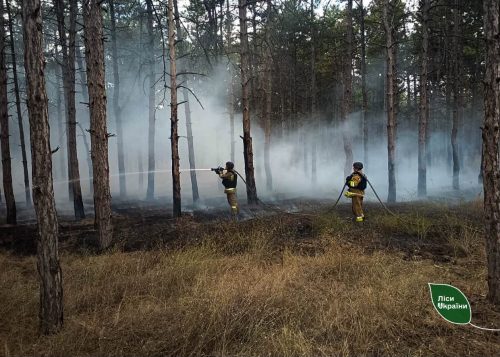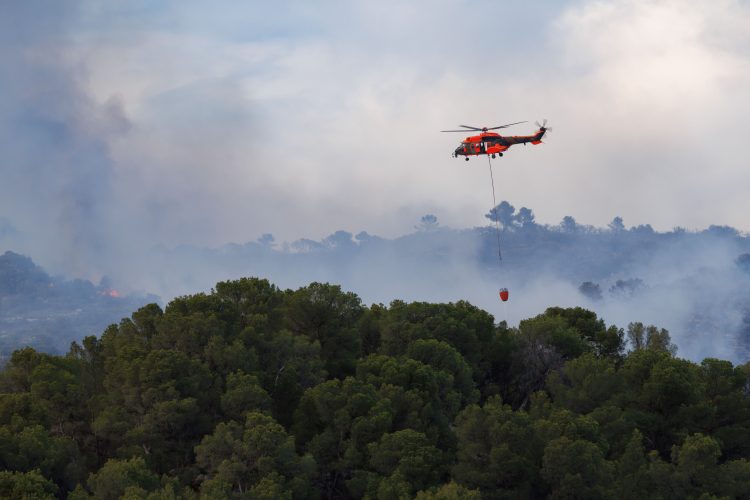
Forest fires have already swept across the United States, several European countries, and Southeast Asia. Experts are sounding the alarm—it isn’t even summer yet, and the peak of the fire season is still several months away, so there is no reason to expect the danger level to decrease.
Bloomberg reports on this.
Experts call the early onset of wildfires an alarming trend. Rising global temperatures not only intensify but also prolong the fire season.
Globalization of wildfires
In the United States, fires have raged across an area of more than 2,800 square miles (about 725,000 hectares) since the beginning of the year. The number of fires has already exceeded seasonal averages.
Meteorologists attribute the scale and early onset of the fires primarily to drought. Severe drought conditions have been recorded across more than 30% of the U.S. territory. Some western parts of the country received insufficient snowfall, so fires are expected there in the coming months as well.
In Thailand, the number of wildfire hotspots is already the highest in the past ten years. According to the Specialized Meteorological Center, during April alone, 5,500 smoldering fires were recorded in the country. The cause is a combination of several factors: in mid-March, rainfall that had been restraining the fires ceased, and by the end of the month the authorities lifted the ban on burning agricultural land.
Seasonal drought has also led to dubious wildfire records in Indonesia and Malaysia.
The situation in Europe is currently relatively calm. However, since January 1, at least 768 fires have already been recorded in the EU.
“The situation can change rapidly as summer heat and dryness intensify, creating conditions for strong winds that can turn sparks into deadly and destructive fires,” emphasized Paulo Fernandes, a wildfire researcher at the University of Trás-os-Montes and Alto Douro in Portugal.
Meanwhile, according to a report by DW media, just at the end of last week, large-scale fires raged in the Netherlands, Germany, and Italy. In Tuscany, for example, 3,500 people were forced to evacuate, and more than 800 ha of forest burned near the city of Pisa.
EcoPolitic previously reported that wildfires in Europe in 2025 were the most destructive in the entire history of observations. About one third of all recorded fires occurred in Ukraine.