Climate change is increasingly changing the rules of the game in major sports. At this year’s World Cup, hydration breaks had to be introduced, whilst the stages of the Tour de France were shortened altogether. At the same time, sport also has a significant negative impact on the climate – due to the air travel of tens of thousands of fans and athletes, the construction of infrastructure, and even the greenwashing of sponsors, many of whom are oil and gas giants.
Bloomberg journalists spoke to Jessica Murfrey, a professor at the University of North Carolina, about the impact of climate on sport and vice versa.
Extreme physical strain
Professional sport is always associated with excessive physical exertion – athletes push themselves far beyond the limits of the average person. Under such conditions, even the slightest change in the environment can lead to undesirable and even critical consequences.
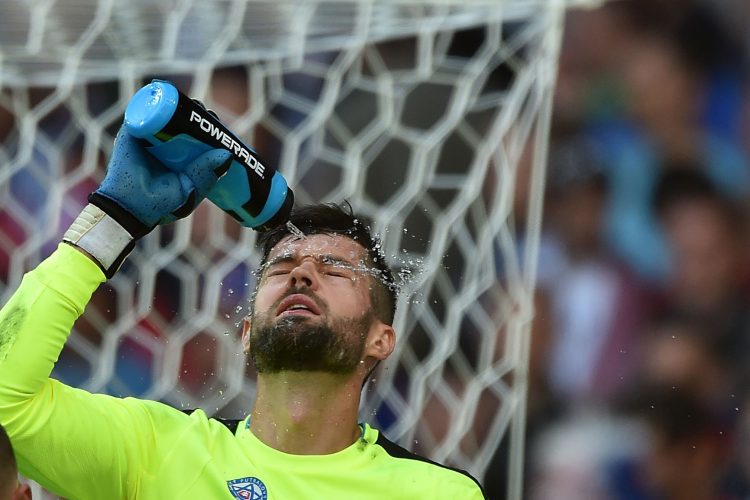
The most dangerous consequence of global warming is heatstroke. It can occur even at rest, and physical exertion merely accelerates and exacerbates the problem, potentially leading to death.
“Heatstroke has a noticeable mortality rate, which can significantly affect people who put their bodies at risk. This includes elite athletes, as well as farmers, construction workers, and those engaged in very physically demanding tasks,” the researcher emphasized.
However, the worst possible conditions for sports are a combination of heat, direct sunlight, and high humidity. The latter factor disrupts the body’s natural thermoregulation mechanism – sweating. In high humidity, the body’s own moisture does not evaporate and the body cannot cool down.
Changes that have already occurred
Precisely because of the risk of physical harm to athletes, the duration of time players spend on the field is already being reduced and more breaks are being introduced during some large-scale competitions. In extreme cases, championships are postponed to a cooler “later”.
Certain sports are no longer played outdoors. For example, hockey began as a winter street game on open ice, but today all competitions and training sessions take place in ice arenas. Other disciplines are gradually trying to adapt their rules for indoor activities.
Climate change is also reflected in the equipment athletes use. The professor cites runners as an example – their outfits have been shrinking over the years.
“But we’re seeing these small adjustments across many sports. Equipment is changing. Uniform styles and shorts are getting shorter, while pads and helmets are becoming lighter to accommodate climate change,” Jessica Murfree noted.
The researcher expects specific changes in the sports turf maintenance sector, as more and more athletes are switching to natural surfaces. However, this issue requires further study since changes in surface characteristics affect ball bounce, shoe traction, and many other small details that can determine victory or defeat.
Mutual influence
More and more high-profile athletes are using their fame to champion environmental causes. For example, a number of female footballers have signed a petition protesting against the sponsorship of professional football by fossil fuel companies. However, this remains the exception rather than the rule, as professional sport is all about the fans and the revenue they generate.
"At some of the most prominent sporting venues, such as the Olympic Games, Super Bowls, and the Australian Open, there is significant resistance when athletes do anything besides competing well. And this is truly a complicated situation," the researcher emphasized.
The greatest criticism of sport in environmental terms centers around travel. Athletes from all over the world fly and travel to competitions, and thousands of times more spectators come to watch their performances.
Bloomberg cites the example of this year’s FIFA World Cup. It features the most teams in history – 48. The tournament is hosted by as many as three countries – Canada, the United States, and Mexico, which is also historic. As a result, the carbon emissions expected from this championship amount to a colossal 7.8 million t of carbon dioxide.
"The announcement of a three-country tournament on one continent provoked strong resistance. The competition schedule was met with strong resistance. The number of teams, sponsors involved in fossil fuels – all this caused pushback, but the decision has been made," said Jessica Murfree.
The tournament in Qatar was the second highest in terms of carbon emissions. However, the problem there was not the flights, but the carbon cost of building megastadiums large enough to accommodate all the fans.
"A single facility can actually do more harm than good for its particular location. Currently, we’re talking about a concentration of emissions, construction, degradation, depletion, deforestation. And then, historically, the economic benefits often associated with sport don't necessarily align with the realities of local communities," the sports infrastructure expert commented on stadium construction.
Climate Hypocrisy
Virtually all of the world's major sporting events are sponsored by companies involved in fossil fuel extraction. This fact has frequently drawn criticism, even from athletes themselves. However, sport is dependent on sponsorship, and without oil and gas money some teams have fewer resources to compete with others.
The researcher also highlights other companies that may seem less threatening to the environment. Even beverage producers sell their products in bottles, which leads to plastic pollution.
At the same time, if, for example, the interval between competitions were increased to reduce negative impacts on nature, it could lead to a decrease in investment, since sponsors would simply get less advertising. Thus, the industry remains highly dependent on rather unsustainable corporations.
During the Winter Olympics, a number of scientists and athletes spoke out against the involvement of polluting sponsors. Meanwhile, according to estimates, the combined anti-climate effect of the competitions was expected to cause the melting of snow equivalent to the area of 3,000 Olympic ice hockey rinks.
EcoPolitic previously reported that exercising in polluted air reduces the effectiveness of workouts.