Following a one-year transition period, strict regulations on food waste have come into effect in Spain. Starting in early April, violations of the law will result in hefty fines of up to €500,000.
This was reported by the media outlet Sevilla Secreta.
The new legislation is intended to help the country achieve an ambitious goal: to halve the amount of food waste per citizen by 2030.
Strict rules for businesses
The law requires all businesses involved in the production and sale of food products to implement the following measures:
- Prevention of waste generation. Enterprises must identify potential weaknesses in their food waste management processes – adjust their inventories, make rational purchases, and process surpluses.
- Product donation. Companies must sign agreements with social organisations or food banks to safely and traceably channel surplus food to them.
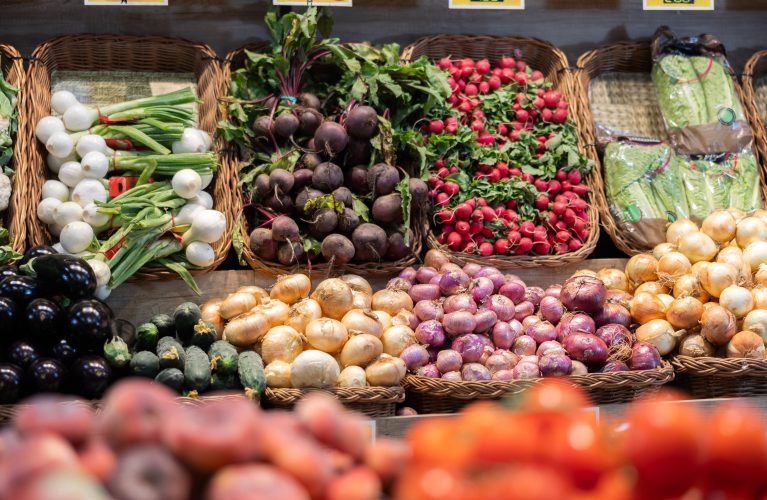
From now on, Spanish stores will feature more fruits and vegetables that previously would have been discarded for their unattractive appearance. It is also expected that there will be an increase in promotional products offered at discounts as their expiration dates approach.
Leftover meals – take them home
One of the most high-profile regulations concerns the policies of food service establishments. From now on, restaurants and cafés must inform customers that they have the option to take home leftover meals, and this service must be provided free of charge.
The establishment must supply eco-friendly containers for meal packaging and is not allowed to charge customers extra for this service.
The exceptions to this rule are buffets, microbusinesses with fewer than 10 employees, and large venues with over 1,300 m2 of space.
Substantial fines and penalties
The size of fines for non-compliance with the law varies depending on the scale of the violation. Specifically, if an establishment does not provide its customers with information about their right to take home leftovers, it must pay a €2,000 fine.
If a company lacks a food waste prevention plan or deliberately destroys food, the penalty can be as high as €60,000. For repeated violations, the fine may increase to €500,000.
EcoPolitic previously reported that food waste accounts for the largest share in the composition of household waste – 38%. On average, only 6% of this type of waste is composted worldwide.
Almost 20% of all food that ends up in landfills was still fit for consumption.