Due to the indecisiveness of governments in reducing greenhouse gas emissions, humanity is failing to achieve the goals of the Paris Climate Agreement. The 1.5°C threshold will be exceeded as early as the next decade.
This is according to CNN, citing a report by the United Nations Environment Programme (UNEP).
Is there any hope of staying on course?
A 1.5°C rise in global temperatures is inevitable, even if emissions are drastically reduced right now. However, it may be temporary, and if world governments take decisive action, the international community will be able to stick to its ambitious climate goal. But these actions will require greater efforts than those currently being declared.
"It will be difficult to reverse this trend – faster and greater additional reductions in greenhouse gas emissions will be needed to minimize the excess," UNEP emphasizes.
The gap is insignificant
UNEP analyzed the updated climate commitments of governments and concluded that with these indicators, the world will become 2.3-2.5°C warmer. This forecast is 0.3°C "cooler" than last year's, but it is still not enough to achieve or even come close to the global goal.
The consequences are catastrophic
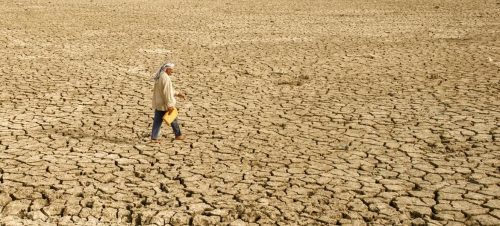
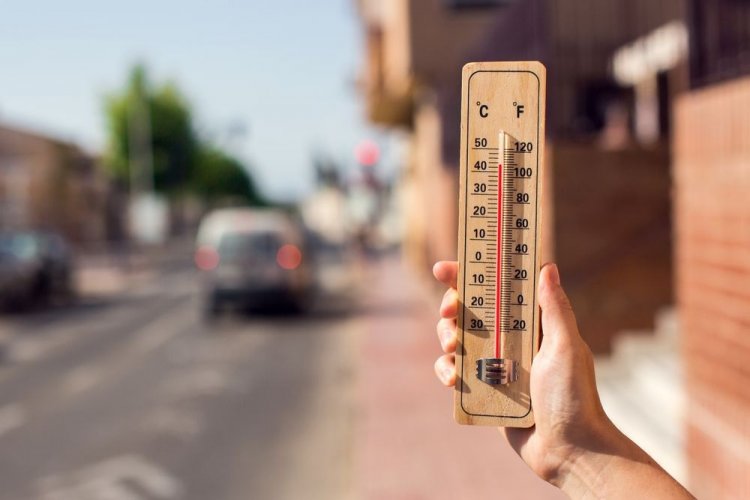
The consequences of global warming are not limited to increased heat. More and more forest fires and droughts await the Earth. With a 2°C warming, twice as many people will suffer from extreme heat than with a 1.5°C warming. Coral reefs are a painful indicator—with the previous climate goal, they will disappear by 70%, and with a 2°C increase, by 99%.
Earlier, EcoPolitic reported that one person dies every minute in the world from heat. This is evidenced by the Lancet's Countdown on Health and Climate Change study.