In the summer of 2026, amendments to labor legislation will take effect in Spain. Specifically, outdoor seating areas and open-air spaces at food and beverage establishments will be prohibited from operating during extreme heat, as well as during floods or heavy downpours. In this way, labor unions and employer associations plan to combat hazardous working conditions.
This was reported by the publication Diario de Avisos.
Spain recently updated its employment and labor laws. Some of the changes were a response to climate risks and potential natural disasters. Alerts from the Spanish State Meteorological Agency will serve as the signal to implement the restrictions.
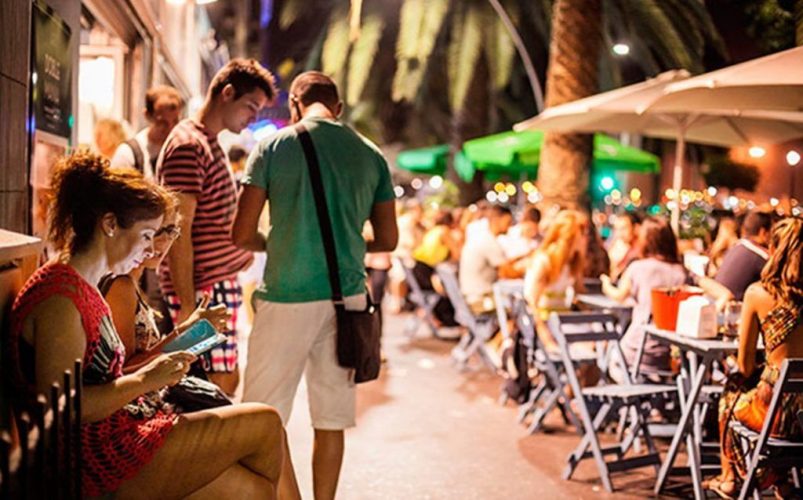
Rules for outdoor areas
From now on, all establishments must have special plans in place for extreme heat, snowfall, floods, or heavy rain. These plans must be activated when the meteorological service issues serious orange or red level warnings.
Restaurants and bars must establish a procedure for reducing working hours and suspending outdoor operations. This can be avoided by implementing sufficient protective measures, such as installing cooling systems. However, if these are not in place, operations may only continue indoors.
If, despite all warnings, an employer forces people to work outdoors, they may face a fine of over €50,000.
From now on, employees have a legal basis to refuse to carry out management tasks under adverse weather conditions.
EcoPolitic previously reported that Spain also plans to create a network of shelters from the heat. This was a reaction by the authorities to the catastrophically hot summer of 2025.