Spain's Catalonia plans to spend $2.6 billion to build and expand desalination plants to break the region's dependence on rainwater by 2030.
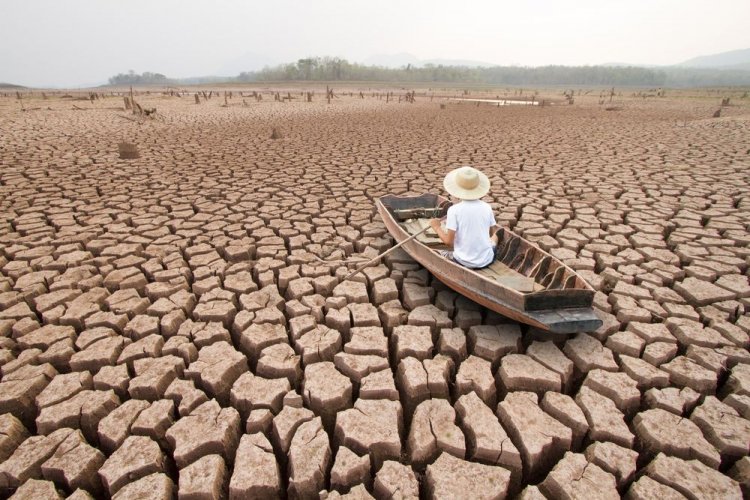
Due to climate change, Catalonia is suffering from droughts that will become more severe amid global warming, Bloomberg reports.
Government officials said that the level in many reservoirs in the region has fallen below 16% – a critical point – after 39 consecutive months of below-average rainfall and two years of record heat. The announcement raised concerns that Barcelona is approaching the point where it will have to deliver water by tanker.
"Ships will not solve our drought problem, they are only a solution to provide water to critical infrastructure in an extreme case," said David Mascourt, head of the Catalan government's climate action department. "But we know that if we make the necessary investments by 2030, we will have enough of water to resist structural drought and stop depending on rain."
It is noted that the Mediterranean region is warming 20% faster than the world average. Southern Europe is suffering its worst drought conditions in at least 500 years, with Catalonia and Spain's southern region of Andalusia the worst hit.
The article explained that such conditions forced the regional governments of Catalonia and Andalusia to launch a series of measures to save water, invest in desalination plants and major infrastructure works. Thanks to the new investments, it will be possible to meet the water needs of 3.3 million people by 2030.
It is emphasized that Spain already has the two largest desalination plants in Europe. The Barcelona facility produces 200,000 cubic meters of potable water every day, equivalent to 53 Olympic swimming pools and enough to meet most of the city's daily water needs. The Catalan government plans to expand the capacity of the second desalination plant and build a third.
The head of the Catalan Meteorological Agency, Sarai Sarroca, explained that the rainy atmospheric zones have moved to the north. The climate of Catalonia began to resemble the conditions of southern Spain, and this region – North Africa.
As EcoPolitic previously reported, in April 2023 in Catalonia, a region in Spain on the shores of the Mediterranean Sea, in the Sau reservoir the water level fell to 8% of its capacity. The reservoir shallowed so much that a flooded church came to the surface 11th century.