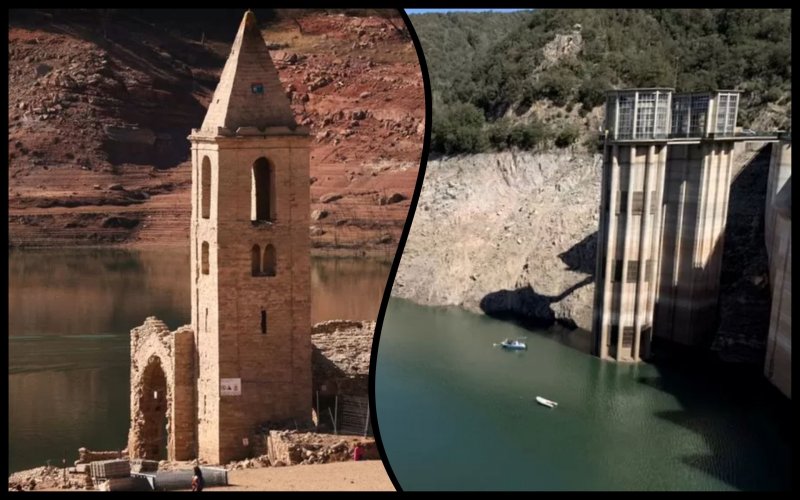
In Catalonia, a region in Spain on the Mediterranean Sea, the water level in the Sau reservoir has dropped to 8% of capacity.
The region is suffering from the worst drought in the last 10 years, and it has not rained for 2.5 years, the BBC reports.
The material said that all the fish are caught from the reservoir with nets so that they do not die and spoil the rest of the water. In addition, there is a risk of water pollution with sludge.
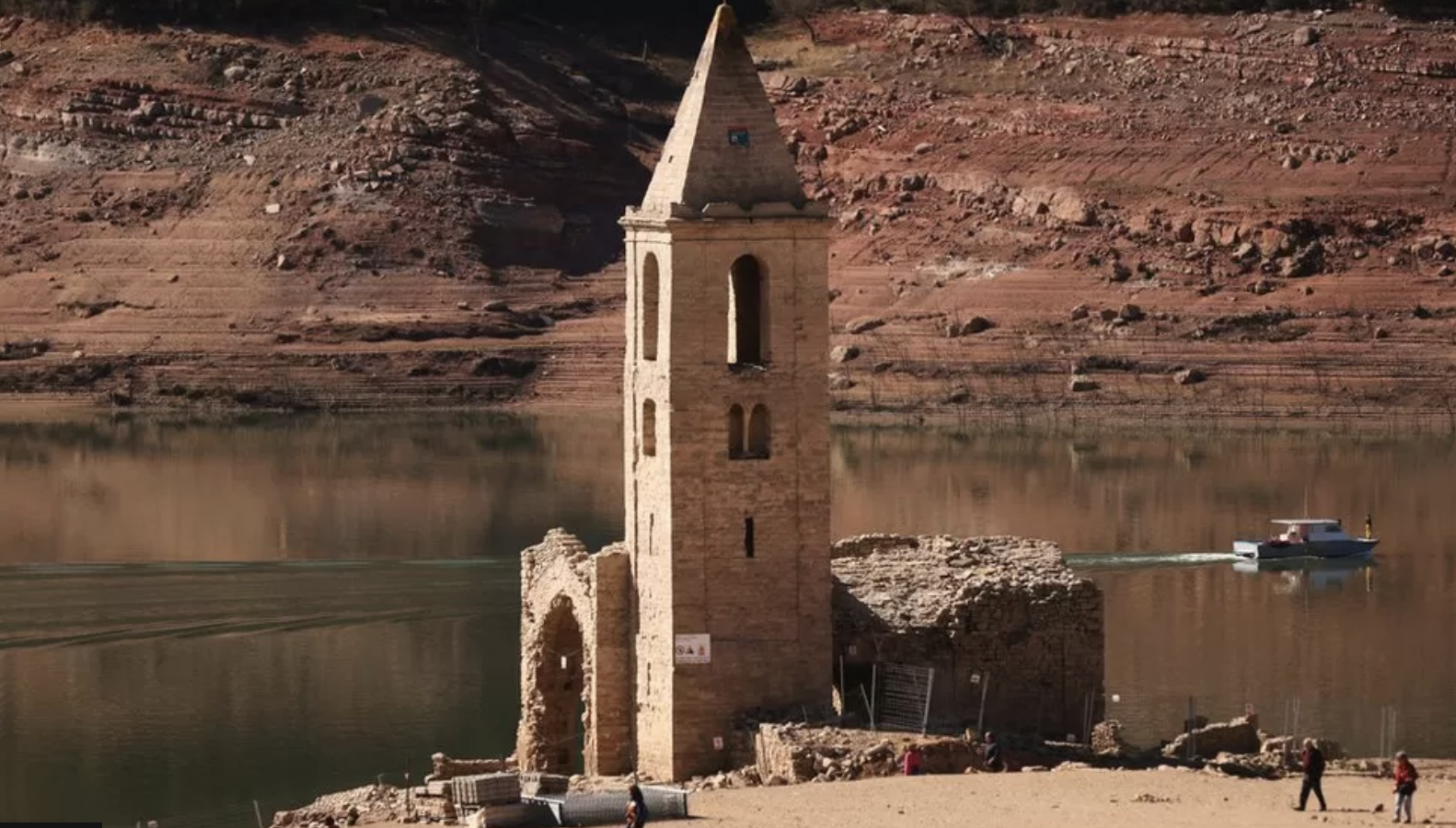
The reservoir is said to have shallowed so much that the previously submerged 11th-century church of Sant Roma de Sau now stands several meters above the waterline, surrounded by dry land.
The authors emphasized that while the situation in Catalonia is of particular concern, much of Spain faces similar problems, particularly in the southern and eastern regions. For example, the reservoir level in the Guadalquivir basin in Andalusia was 26% of its capacity.
Spain's meteorological agency AEMET announced that the country as a whole is in a situation of meteorological drought, which began more than a year ago.
In Europe, regions like Catalonia, located on the Mediterranean Sea, are particularly vulnerable to climate change, according to Miguel Manzanares, a Barcelona-based meteorologist who studies extreme weather events on the continent. After all, the sea creates its own atmospheric environment. The risk group also includes France, Italy, Greece and countries in the Balkans.
It said there are other factors that could make the drought worse. In the case of Catalonia, Manzanares said, they include the population of neighboring cities, which has grown to more than 5.5 million residents. New restrictions introduced by the regional government of Catalonia have placed strict limits on the use of water in these areas for washing cars and watering gardens, while industrial water use limits have been cut by 15%.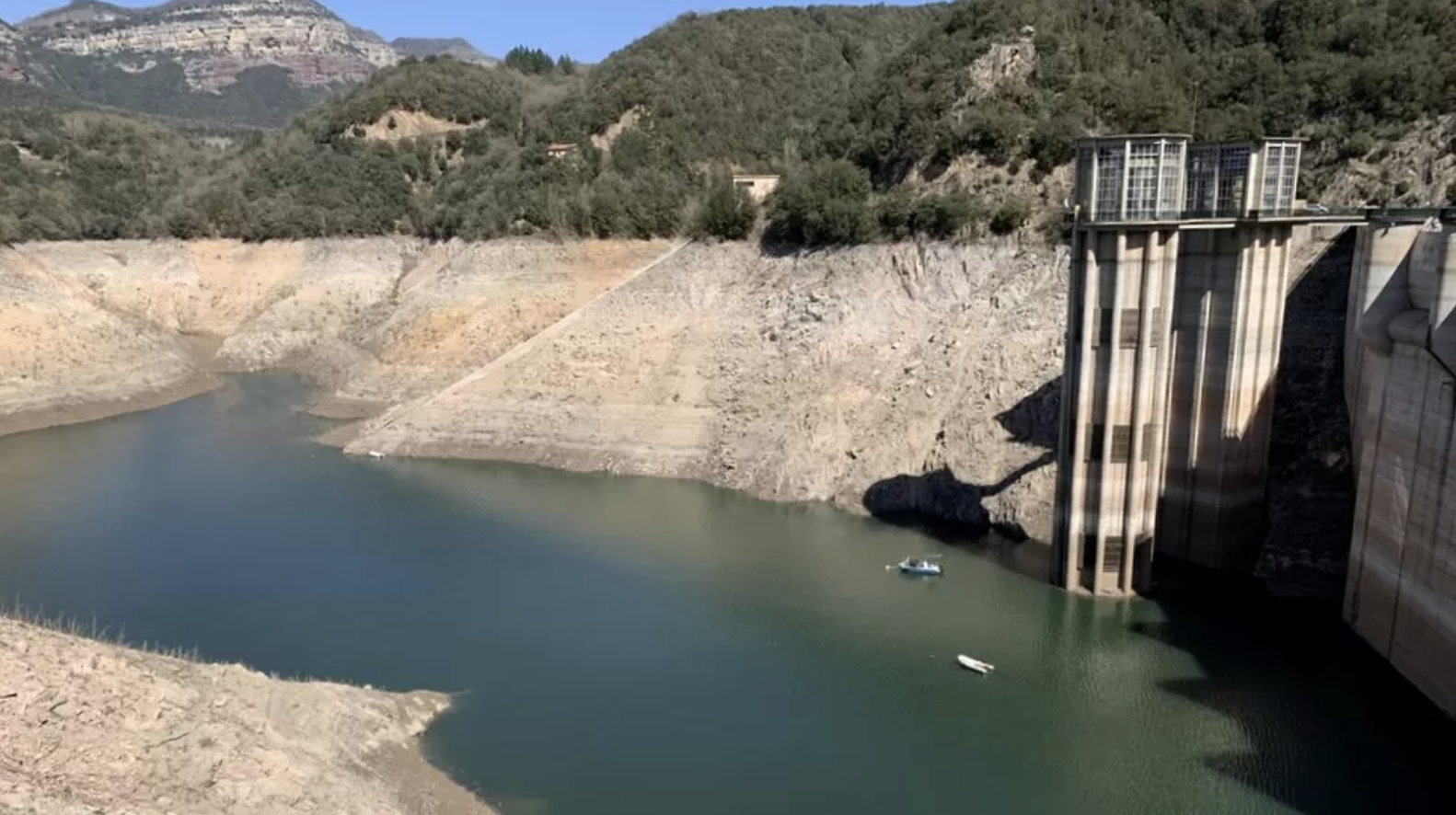
The article added that the extensive use of water in Spain for agriculture, which accounts for 80% of all water use, is another factor that worsens the situation. Local authorities have reduced the use of water for agriculture by 40%. Farmers fear that they will not be able to sow the fields, and therefore there will be a shortage of products.
"This is a very critical situation," said Samuel Reyes of the Catalan Water Agency. "This drought in Catalonia is a marathon. The concern is that we are not only on alert for two years or so, but three or four years."
Earlier, EcoPolitic wrote, that the first forest fire of 2023 broke out in the regions of Valencia and Aragon in Spain, which burned more than 4,000 hectares of forest.
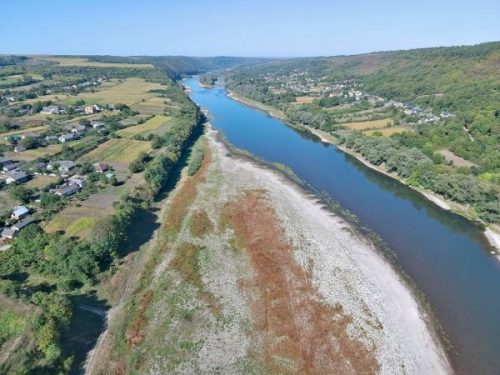
As EcoPolitic previously reported, in the summer of 2022, Europe suffered from the worst drought in half a millennium. The water level in the rivers has dropped so much that the so-called hunger stones have come to the surface, which predict crop failure and famine, and the operation of river transport in certain areas becomes impossible.