The EU will provide €352 million for the implementation of 26 infrastructure projects to create an environmentally sustainable transport network.
The winners were selected as part of the Alternative Fuels Infrastructure Facility (AFIF) call for proposals, the website says European Commission.
It is noted that the support is combined with a loan or investment financing from a financial institution.
"The numerous applications for AFIF funding received highlight the interest of the transport industry in promoting the transition to greener transport – on roads, in the sky and at sea," said European Commissioner for Transport Adina Valean.
She emphasized that the project will allow to create:
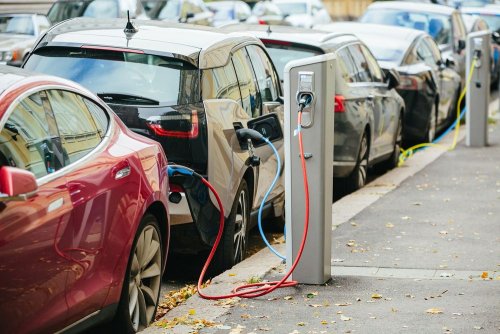
- 12,000 charging points;
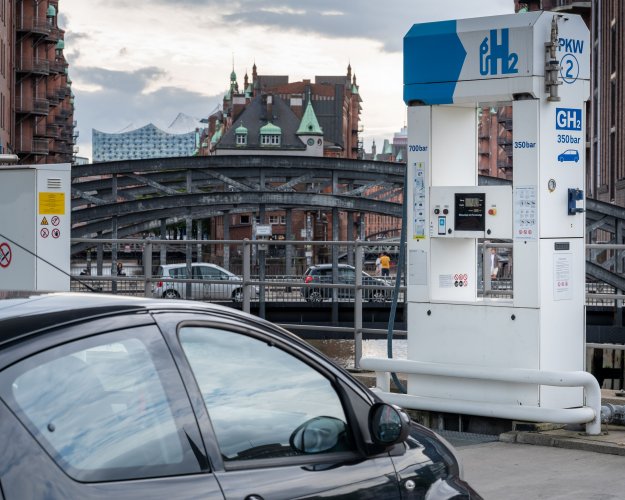
- 18 hydrogen filling stations;
- electrification of ports and airports, in particular the port of Rotterdam (Netherlands) and 37 airports in Spain.
"The European Union continues to support initiatives that contribute to the transition to greener modes of transport. These projects play a key role in realizing the Union's climate goals, while promoting economic growth and creating new job opportunities," said the director of the European Executive Agency for Climate, Infrastructure and of the Environment (CINEA) Paloma Aba Garrote.
As EcoPolitic reported earlier, a network of more than 100 hydrogen stations for heavy transport will be built on the main roads in Belgium, the Netherlands, Luxembourg and Germany.