Due to extreme weather conditions, Europe could lose all its economic growth. But it is not just about money – people across the EU are being rescued from cities engulfed in flames, livestock is being culled due to a lack of feed, and nuclear power stations are being shut down due to a lack of water for cooling.
EcoPolitics provides an overview of key news stories relating to extreme weather conditions and their impact on people and the economy. The information is sourced from international media outlets such as Reuters, Politico, Euractiv and DW.
Catastrophic drought
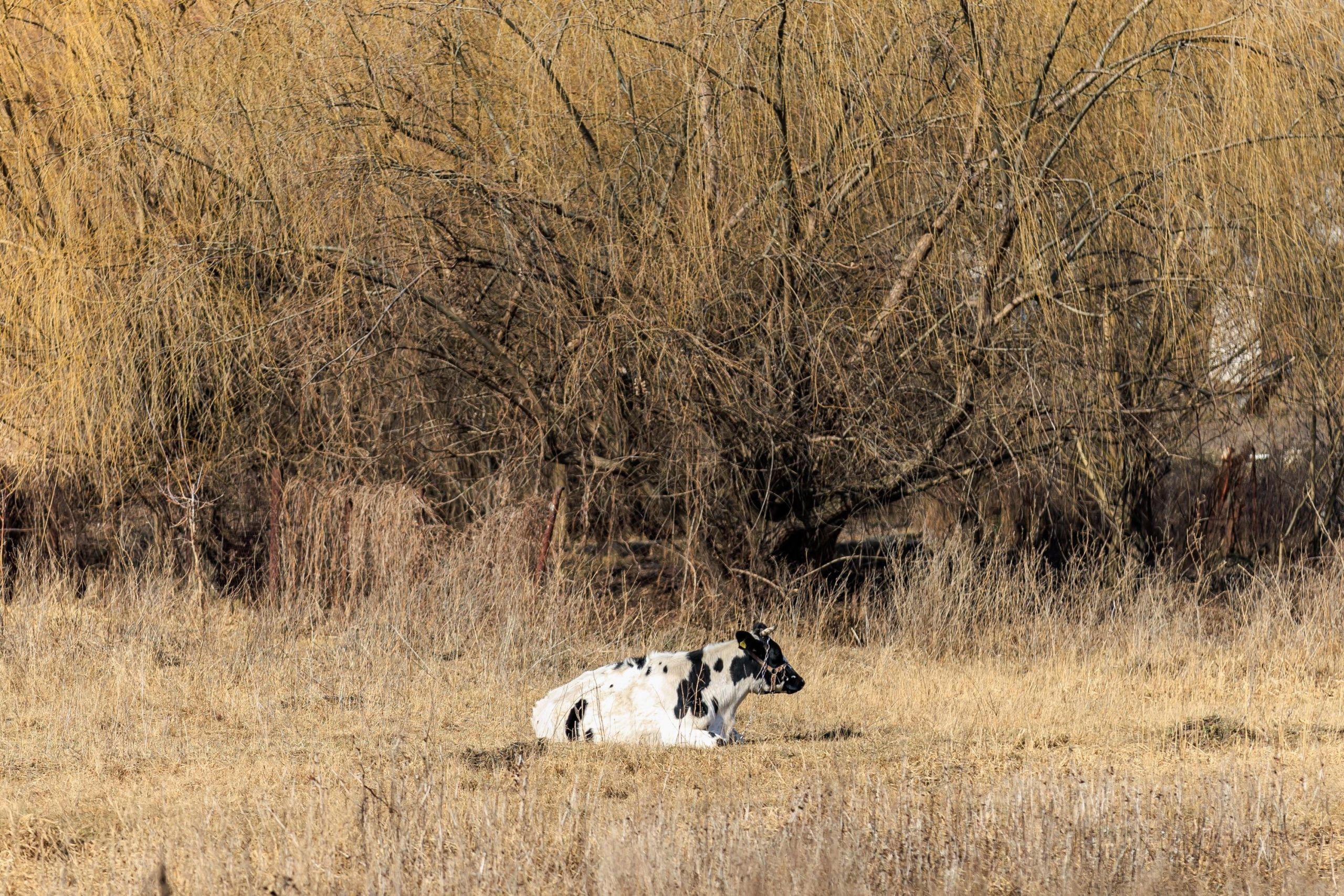
Due to extremely high temperatures and a lack of rainfall, a significant part of the European Union has been affected by drought. According to preliminary estimates, this amounts to 38 per cent of the territory, of which 14.5 per cent is forest and 14.8 per cent is agricultural land.
Source: shutterstock
Drying Up of Rivers
Record-low water levels have been recorded in several European rivers. This has affected, among others, the Rhine, where shipping had to be restricted. The water level of the Elbe near Dresden is only 54 cm. Across Germany, so-called “hunger stones” have appeared – stone relics from past droughts that indicate record-low water levels.
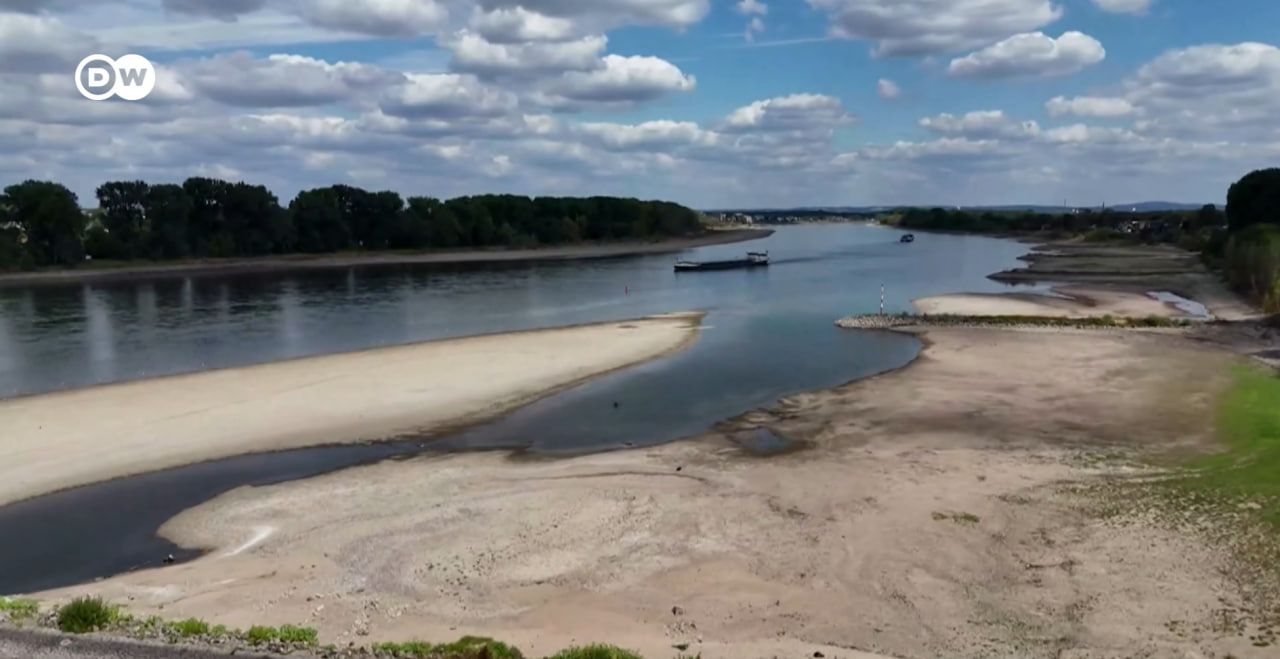
Source: DW
Over the past 25 years, Germany has lost 60 billion cubic meters of water. The causes include not only drought, but also the paving of surfaces, soil depletion, and the alteration of natural riverbeds.
The French Loire has dried up so much that in some places it can be crossed on foot. The Danube has reached record lows as well, with remains of mammoths and hulls of German military ships found.
Experts link this to low precipitation and extremely high temperatures, which accelerate evaporation.
Deadly Fires
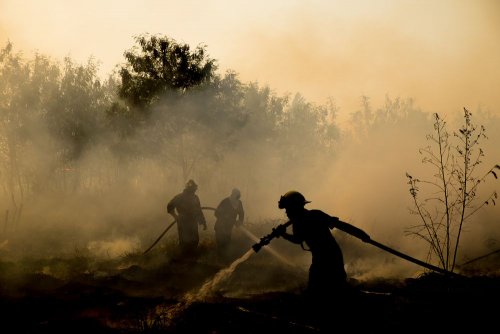
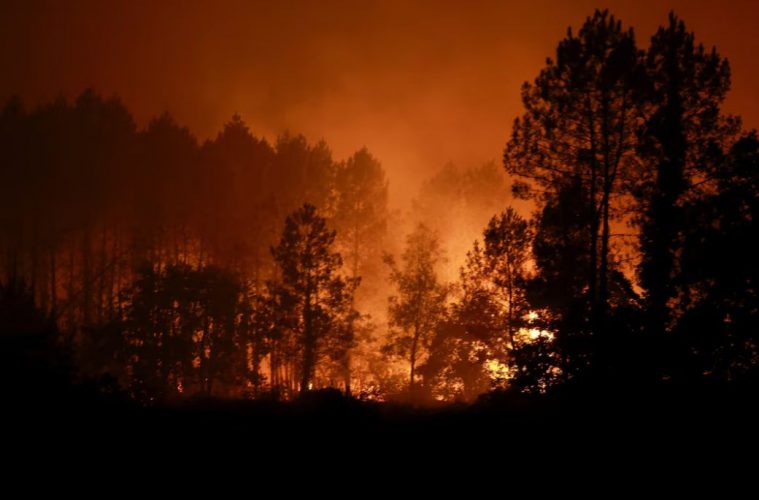
Europe continues to suffer from extremely large-scale and destructive fires. On Friday, August 14, alone, near the Belgian border in Germany, more than 2,000 people were evacuated as the fire approached within 300 meters of the village of Gei and continued to spread. In the nearby city of Düren, fire engulfed a former ammunition depot. During the fire, people heard detonations of old shells in the surrounding forests.
That same day, more than 500 people were evacuated in France from the village of Luglon. Before that, the fire had already scorched over 1,100 hectares. Five hundred firefighters and six planes were involved in fighting the blaze.
In Croatia, the fire forced about 1,000 people to evacuate, with 36 people injured. Seven of those suffered life-threatening injuries. Strong winds spread the blaze to the tourist town of Omiš. Authorities set up emergency shelters and blocked several highways, and the sky over the picturesque town remains tinged red.
Tourists are also fleeing from a Greek resort in the Halkidiki region. The fire engulfed forests and homes in resort settlements. People were forced to escape both by land and by sea.
Spanish authorities were forced to rescue the remains of kings who ruled during the 11th century from the San Juan de la Peña Monastery. The fire approached dangerously close to the over-1,000-year-old structure. The fire has already burned over 9,000 ha and forced the evacuation of residents from 16 localities. In the south of the country, an even larger wildfire has destroyed 31,000 ha and led to the evacuation of 700 people.
Large-scale wildfires in ecosystems have become a serious challenge for Europe. Earlier, EcoPolitica reported that Ukrainian rescuers were dispatched to France to assist. However, French firefighters are dissatisfied with the authorities' preparedness for such extreme disasters. Next month they plan a nationwide protest. Their grievances are not only about resources and funding but also the shortage of professional personnel.
Economic Impact
Drought has hit agriculture especially hard, significantly reducing harvests of numerous crops, from grapes and olive oil to fodder plants. As a result, the EU livestock sector has been forced to procure fodder a month earlier than usual. Parched pastures and damaged crops have already led to a decrease in the fodder base. In some parts of France, such losses reached 60%. Consumers may particularly notice this in the dairy sector, where milk production has already fallen by 3–4%.
Countries are responding in various ways. In addition to restocking supplies early, some are reducing livestock herd sizes. Certain nations are also easing livestock industry regulations.
Overall, as we reported earlier, this year’s weather disasters may cost the EU economy over €180 billion, completely eliminating forecasted GDP growth. In France alone, the hot summer will cause losses of about 0.5% of GDP, or between €10 and €15 billion.
Impact on the Energy Sector
The energy sector has also suffered significant setbacks. While the solar segment showed record-high results, electricity generation at hydroelectric stations dropped due to lower water levels. For the same reason, nuclear power plants across Europe were also halted.
Thus, on Thursday, August 13, Romania shut down the last nuclear reactor at the Cernavodă Nuclear Power Plant. The level of the Danube River became too low to supply water for the cooling pumps. The country plans to offset the losses through imports. One unit supplied about 10% of the country's domestic energy production. Previously, EcoPolitics reported that the authorities had decided to blow up barges to raise the water level in the river. This only gave a one-week reprieve. The last time the reactor was stopped was back in 2003.
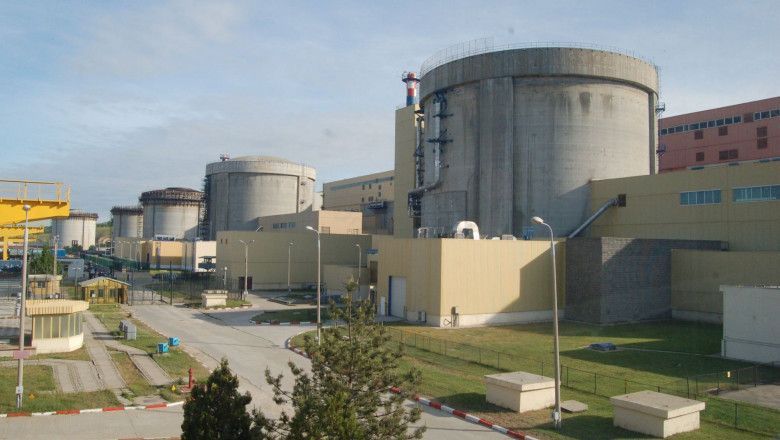
Source: digi24
The problem has also affected Ukraine. In the Odesa region, water is being forcibly pumped into the Danube lakes, and water consumption has been restricted for nearly 200 water users. According to ecologists, about 30% of the country's rivers have disappeared over the past 30 years.
This summer has already become the hottest on record for Western Europe. The temperature of the world’s oceans has also broken records.