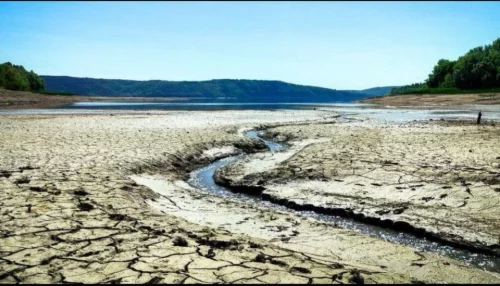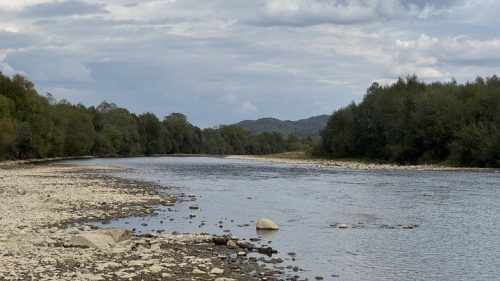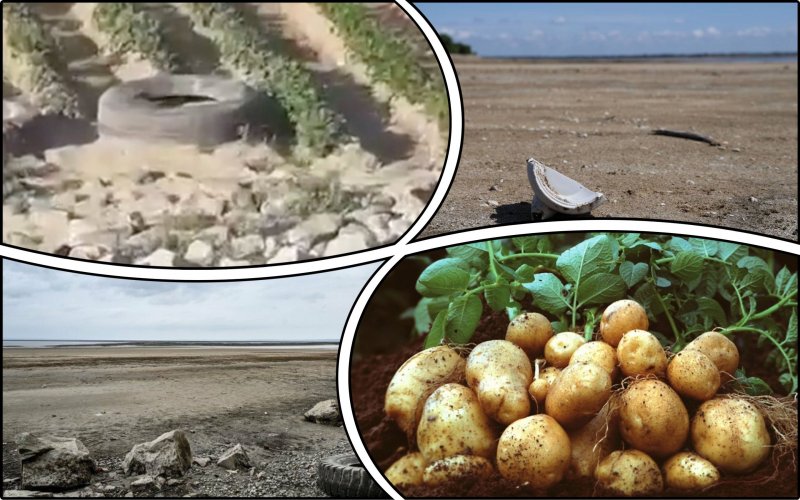
In Dnipropetrovsk region residents of Nikopol planted potatoes at the bottom of the shallow Kahovsky Reservoir.
The corresponding video was published by Twitter user VikaSi.
"Our indomitable people. Where the Kakhov Reservoir was, the people of Nikopol planted potatoes," she wrote.
Our indomitable people.
The people of Nikopol planted potatoes where the Kakhov reservoir was.💙💛 pizza.twitter.chom/Vhmbznsdvch
— Vikasi (@sikanvik) July 23, 2023
It should be noted that the scientific-expert council of the Ministry of Environmental Protection and Natural Resources proposed to plant more than 3,000 tons of agricultural crop seeds at the bottom of the Kakhovsky Reservoir. However, the harvest cannot be eaten, because it can be dangerous.
However, planting plants will help reduce dust storms and climate risks.
Nikopol and occupied Energodar were separated by the Kakhov reservoir, and the city is systematically subjected to enemy shelling.
Earlier, EcoPolitic wrote, that in Zaporizhzhia, after the Russians blew up the Kakhovskaya HPP, water disappeared from the Dnipro Reservoir in the area of the Dnipro HPP. Activists and local authorities are organizing campaigns to clean up the washed-up areas.
As EcoPolitic previously reported, in Zaporizhzhia in occupied Energodar, the townspeople have been suffering for a month from large clouds of toxic dust from the ash pits of the Zaporizhzhia TPP. In addition to the improper maintenance of ash pits and systematic shelling, the dust is raised by automobile races on the ashes organized by the occupiers.