The population of migratory freshwater fish species is rapidly declining. This crisis may go unnoticed beneath the surface of rivers, but it threatens the health of water bodies and global food security. To avert disaster, countries must ensure that rivers remain navigable and stop turning them into drainage channels.
This is according to a UN report covered by Earth.com.
Fish disappearance as a multidimensional problem
Migratory freshwater fish actually play a huge role. They support the healthy functioning of rivers by forming food webs and transporting nutrients. At the same time, these animals are the foundation for fisheries, food security, and the livelihoods of hundreds of millions of people around the world.
Human-created threats
In reality, a substantial number of fish species are not “local.” These animals migrate, and their life cycles primarily depend on the absence of barriers along migration routes, which can span thousands of kilometers.
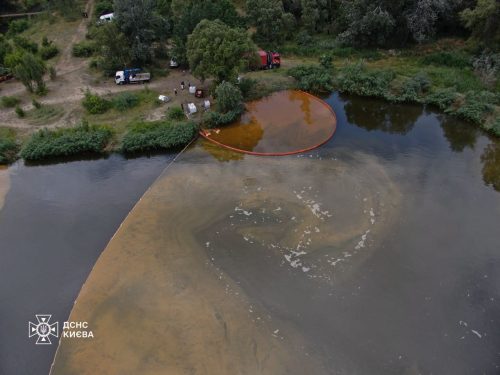
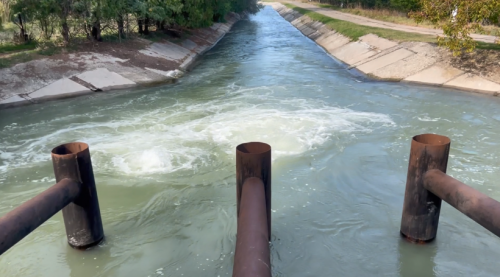
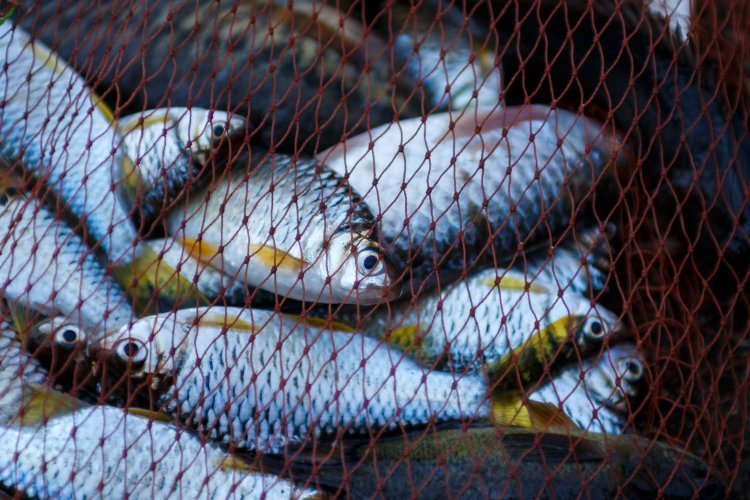
However, humanity does everything possible to hinder this. Water fragmentation due to dams, alterations in flow regimes, point-source pollution, and fishing-all these lead to the degradation of natural fish habitats. In many countries, spawning, feeding, and nursery grounds have been devastated by human activity.
Grim statistics
According to its report, the United Nations analyzed data on 15,000 fish species, and the findings are discouraging. Since 1970, freshwater fish populations worldwide have declined by 81%.
Moreover, 97% of the 58 fish species listed among migratory animals (Convention on the Conservation of Migratory Species of Wild Animals, CMS) are threatened with extinction.
An existential threat
The main reason for this decline is the fundamental fragmentation of their habitats. Migration requires unobstructed passage, yet people create barriers-dams, embankments, and crossings. It is simply physically difficult for animals to reach places critical for their life cycles.
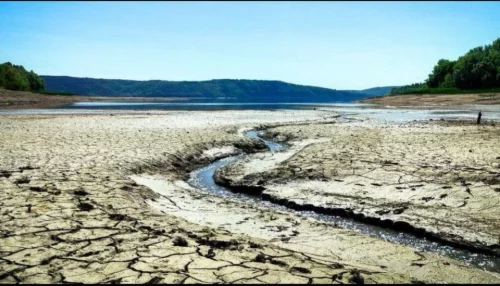
At the same time, human impacts on the climate create additional obstacles. Global warming alters river temperatures and precipitation levels, which can send misleading signals to fish.
When warmer water is combined with anthropogenic pollution, the chances for population survival decrease even further.
EcoPolitic previously reported on criticism of changes in Ukraine's fisheries management. Environmental experts were outraged by the government's intentions to grant the State Fisheries Agency the authority to set catch limits within nature reserves.