Climate change boosts solar energy potential – study

Climate change boosts solar energy potential – study shutterstock
Katerina Belousova

In 2022, Europe had 130 more hours of sunshine than average

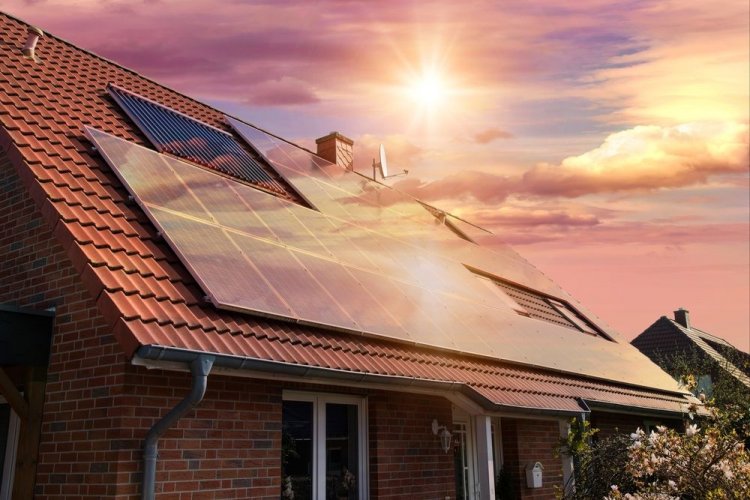
The Copernicus annual climate report showed that weather conditions behind severe heat waves are increasing the potential for solar energy production in the EU.

This could stimulate the production of "green" energy in countries not traditionally considered to be rich in solar resources, The Washington Post reports.

The report highlighted that the European continent has warmed almost twice as much on average as the rest of the globe since pre-industrial times. This causes dangerous heatwaves and droughts, but increases the potential of solar energy.

It is noted that in 2022, Europe had 130 more hours of sunshine than the average. The largest increase in sunshine hours was observed in Germany, the Netherlands and Belgium, as well as in South-Eastern Europe.

The article emphasized that in the past, aerosol air pollutants helped form clouds. However, Europe's efforts to reduce emissions have also helped reduce cloud cover.

As EcoPolitic previously reported, the annual report of the International Renewable Energy Agency IRENA showed that in 2022 the global capacity of green energy increased by 9.6% (295 GW) and reached 3,372 GW.
Related
A hazard to work: the scorching heatwave in Europe is reducing productivity

Ultimately, this threatens to result in economic losses running into the billions

The mechanism behind species extinction due to climate change has turned out to be quite different from what scientists had thought

45 per cent of the 5,100 species have become locally extinct in the warmest part of the region, where they previously lived

EU countries are siding with the oil lobby and the US to delay new rules on methane emissions

Critics point to the lack of infrastructure and the threat to energy imports

Wastewater accounted for almost 38% of all EU environmental investment in 2025

It is the business sector that invests the most in nature conservation