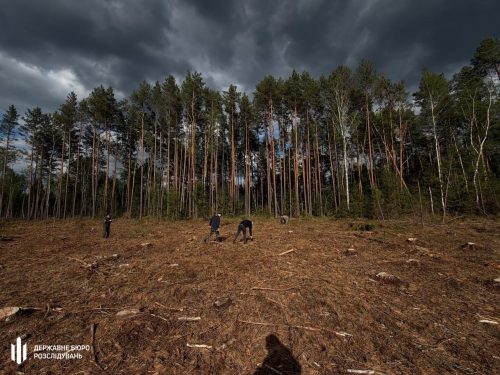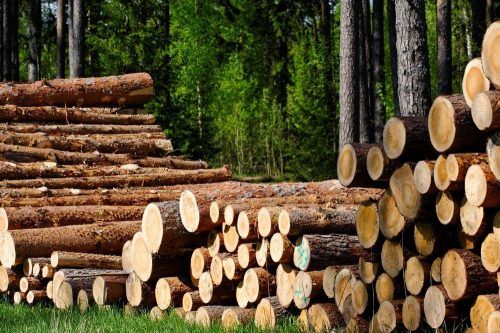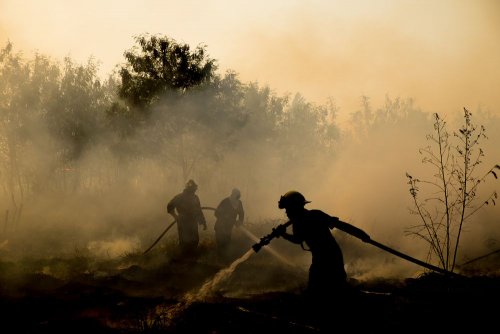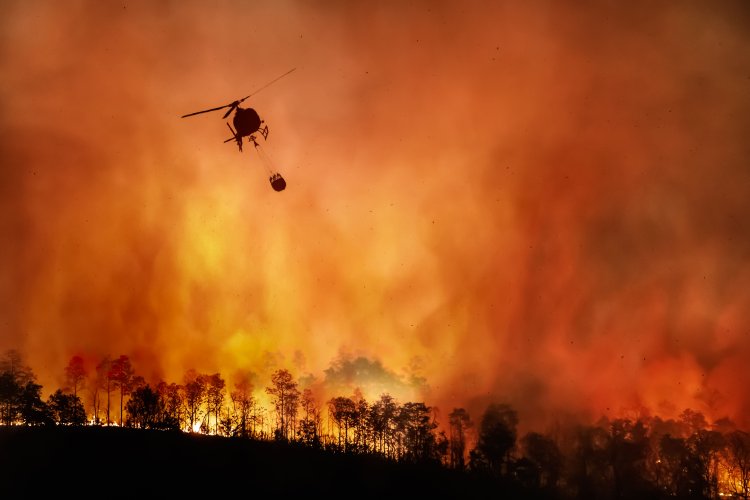
Last year, a catastrophic increase in the number of fires caused a large-scale loss of forest areas on the planet – 6.7 million hectares of tropical rainforest alone burned.
This is reported by Euronews, citing new data from the University of Maryland's GLAD laboratory.
The record loss of tropical rainforests is twice as much as in 2023 and almost equal to the area of the whole of Panama. That's about 18 soccer fields lost every 18 minutes.
The total loss of tree cover worldwide has increased by 5% compared to 2023, scientists say. This is an additional 30 million hectares destroyed last year, which is roughly equal to the area of Italy.
According to the research, for the first time in the history of observations, fires, not agriculture, have become the main cause of forest loss. Latin America was particularly hard hit.
In total, these fires caused 4.1 gigatons of greenhouse gas emissions – 4 times more than the emissions from all air travel in 2023.
“This level of forest loss is unlike anything we've seen in more than 20 years of records,” said Elizabeth Goldman, co-director of the World Resources Institute's (WRI) Global Forest Watch platform.
The main reason is extreme weather conditions
Last year was the hottest year on record, with extreme conditions including severe, widespread drought caused by climate change and the El Niño climate phenomenon.
Some countries, especially in Latin America, experienced the worst drought on record in 2024. The report says that these conditions have made fires more intense and harder to control in many parts of the world.
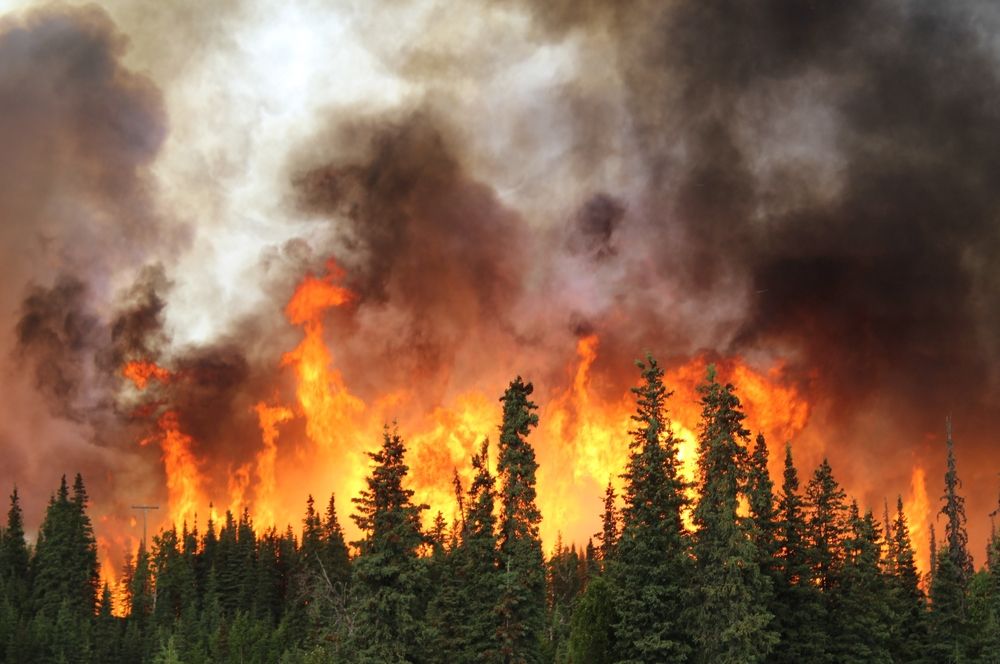
Which countries lost the most forests in 2024
According to the data, Brazil, which will host the COP30 climate conference later this year, has lost the largest area of tropical forest. In total, it accounted for 42% of all tropical rainforest losses last year.
The fires were triggered by the worst drought in the country's history, which caused 66% of these losses. Other causes, such as soybean and cattle farming, contributed 13% to the losses.
In 2024, forest loss in Bolivia also soared by 200% to 1.5 million hectares. For the first time in history, it was ranked second after Brazil, ahead of the Democratic Republic of Congo (DRC), even though it has half the forest area.
The third place goes to the DRC, which has suffered the highest primary forest loss in history. They increased by 150% compared to 2023. Fires, which were exacerbated by unusually hot and dry conditions, caused 45% of the damage. Like the Amazon, the Congo Basin is an important carbon sink, but the increasing number of fires and deforestation threatens its livelihood.
Earlier, EcoPolitic wrote about the richest countries in the world, which, according to scientists, contribute to deforestation outside their borders.