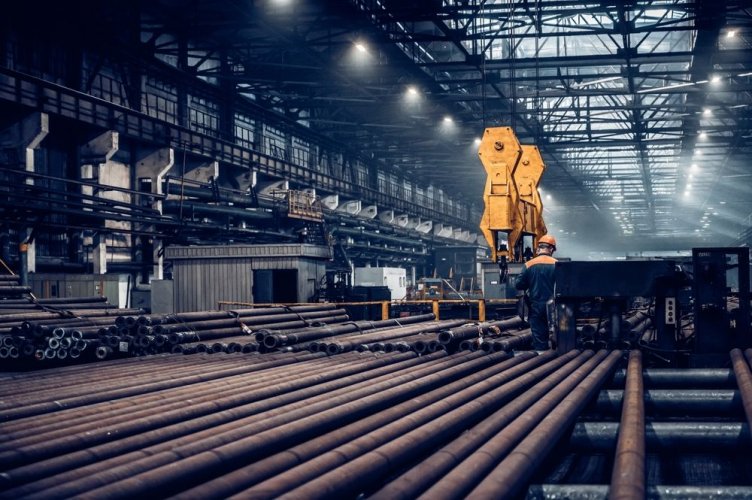
In the Netherlands, the Tata Steel in the city of Eimeiden took 3rd place in the TOP-5 of the World Steel Association in terms of the intensity of carbon emissions in 2022.
The plant has CO2 emissions approximately 7% lower than the European average and almost 19% lower than the world average and has been included in this rating for the third year in a row, reports EUROMETAL
“While steel is an essential part of our daily lives, we are not blind to the impact of our activities. We invest significantly to further reduce the impact of our IJmuiden operations on our neighbours and the environment. Our recently launched climate strategy represents a new level of ambition, which revolves around green, clean and circular steel production,” said Tata Steel Nederland CEO Hans van den Berg.
The article noted that the company plans to become climate neutral by 2045 and is implementing measures to reduce CO2 emissions across Europe. Thus, the plant in Naantala, Finland, is the first of the company's enterprises to have neutral CO2 emissions (for Scope 1 and 2), and the new plant in Geldermalsen, the Netherlands, already runs entirely on electricity.
The authors emphasized that Tata Steel plans to switch to hydrogen steel production at the Eimeiden plant. By 2030, the company plans to put into operation its first direct reduction plants and electric furnaces, become a producer of large quantities of high-quality steel and reduce CO2 emissions by 35-40%.
Earlier, EcoPolitic wrote, that experts analyzed total greenhouse gas emissions of the largest heavy industry companies in the world by their revenue in 2021.
As EcoPolitic previously reported, Europe has become a leader in ensuring carbon neutrality, and its metallurgical industry is at the forefront of building a sustainable economy.