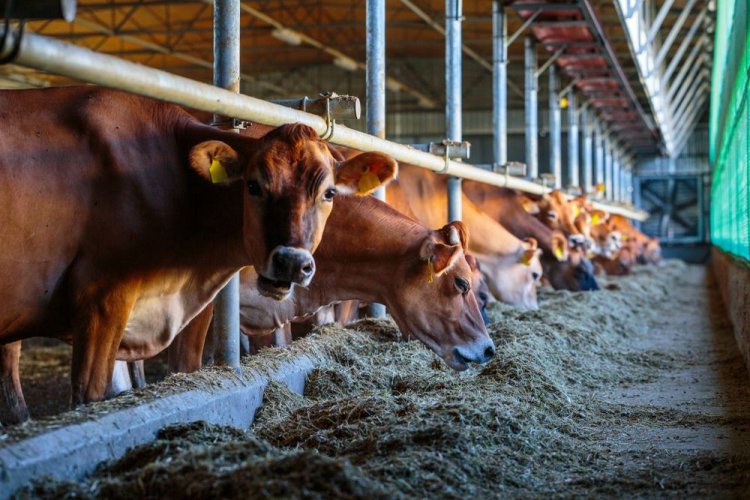
In New Zealand, it has been proposed to introduce a tax on greenhouse gas emissions, which are produced by livestock during belching and urination by 2025.
This will contribute to the fight against climate change, because the agricultural sector creates about half of all emissions in the country, it is reported BBC.
As you know, livestock produces significant methane emissions.
New Zealand Prime Minister Jacinda Ardern explained that money from such an environmental tax will be returned to the industry to finance new technologies, research and incentive payments for farmers.
"New Zealand's farmers are set to be the first in the world to reduce agricultural emissions, positioning our largest export market to gain a competitive edge in a world increasingly demanding where their food comes from," she said.
However, farmers criticized this initiative. Federation of Farmers national president Andrew Hoggard said the tax would lead to "farms making way for trees" and owners selling their land.
Some experts pointed to the risk of shifting food production to countries with less efficient farming methods, which would increase overall emissions.
Earlier, EcoPolitic wrote, that according to the National Oceanic and Atmospheric Administration (NOAA), the level of methane in the atmosphere has reached an all-time high and increased by 17 parts per billion in 2021. Total levels of atmospheric methane are 162% above pre-industrial levels.
As EcoPolitic previously reported, in California, USA, cattle at the Bear 5 feedlot burp while chewing feed generated methane emissions from 443 kg to 668 kg per hour.