BP signed a memorandum of understanding with Thyssenkrupp Steel (Germany) to develop long-term supplies of low-carbon hydrogen and green energy in steelmaking.
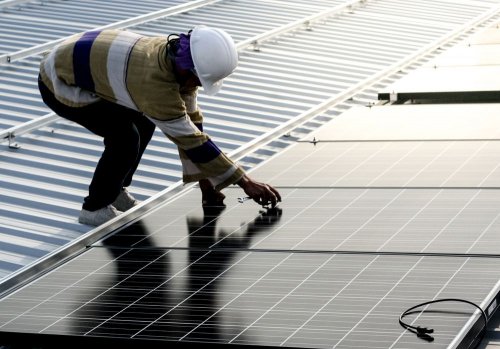
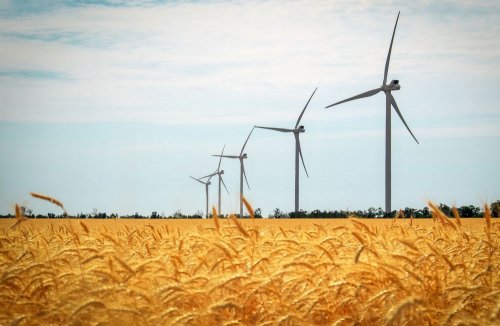
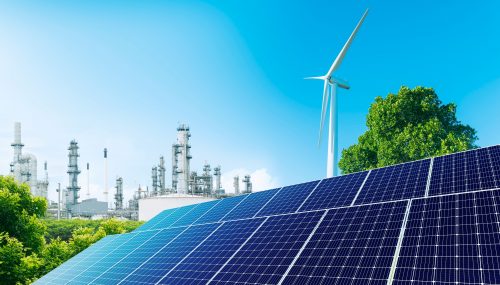
Companies will study options for supplying blue and green hydrogen, as well as electricity from wind and solar generation, reports Renews.
Parties also intend to jointly advocate for policies that will support the development of low-carbon hydrogen and the growth of green steel in Europe.
Thyssenkrupp Steel accounts for 2.5% of Germany's CO2 emissions, mainly at the Duisburg plant, which operates the main sources of emissions, namely blast furnaces.
By replacing coal-fired blast furnaces with direct reduction plants, where iron ore is reduced with low-carbon hydrogen, the company aims to make steel production climate neutral in the long term.
BP's executive vice-president of regions, cities and solutions William Lin said that as part of a strategy to provide a range of decarbonisation solutions for companies, BP is already investing in and developing case studies of industrial hydrogen projects in Germany, the Netherlands, Spain, the UK and Australia.
"Thanks to our shared ambition and additional investment, Thyssenkrupp Steel and BP can together help the sector decarbonize faster," he said.
Lin also explained that the steel and energy industries have long been closely related. After all, fuel and raw materials are supplied for the production of steel, and platforms, pipelines and turbine towers are made from it.
Thyssenkrupp Steel aims to make its production climate neutral by 2045, and low carbon and hydrogen will play a crucial role in achieving this.
"Through our aligned ambitions and additional investment, Thyssenkrupp Steel and BP can together help this hard-to-decarbonise sector decarbonise faster," added Lin.
Chief Technical Officer of Thyssenkrupp Steel, Arnd Kofler, said that the decarbonisation of the steel industry will require huge quantities of low-carbon and, in the long term, clean hydrogen. This will increasingly require the use of electricity from renewable sources.
"All this can only be achieved with a well-developed hydrogen infrastructure with a supra-regional pipeline network. The MoU is an important milestone for us to set a course with Verkhovna Rada for a reliable energy supply in the future," he said.
Earlier EcoPolitic informed, that in the Netherlands, oil and gas giant BP at a refinery in Rotterdam will replace fossil raw materials with "green" ones hydrogen.
As EcoPolitic previously reported, Europe can reduce emissions from the metallurgical industry by 73% by 2030 through the use of scrap and technology direct reduction of iron from hydrogen.