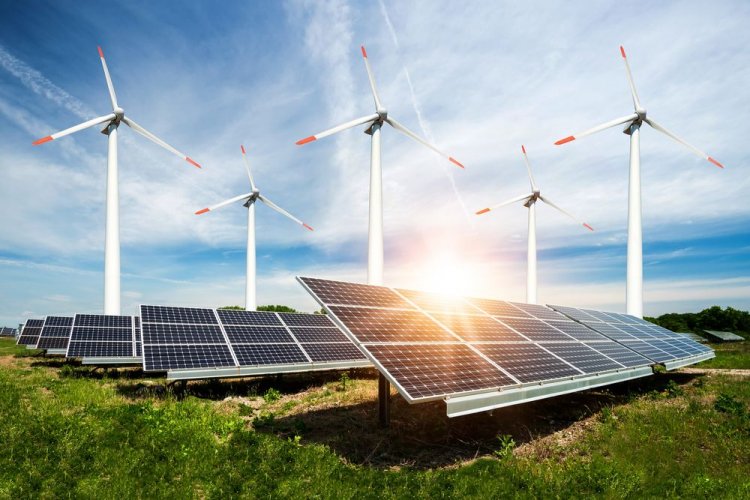
Wind and solar generated 10% of global electricity for the first time in 2021.
About it with reference to results of research Global Electricity Roar 2022 Climate and Energy think tank Ember reported the news service BBC.
According to a study by Ember, solar, wind and other clean sources produced 38% of the world's electricity in 2021. In particular, wind turbines and solar panels produced 10% of the total for the first time. In total, 50 countries receive more than a tenth of their electricity from wind and solar.
The Climate Analysis Center also found that the fastest transition to wind and solar sources was in the Netherlands, Australia and Vietnam. All three have shifted a tenth of their electricity needs from fossil fuels to green sources over the past two years.
"The Netherlands is a great example of a more northern latitude country proving that it's not just where the Sun shines, it's also about having the right policy environment that makes the big difference in whether solar takes off," said Hannah Broadbent from Ember.
In the Netherlands, the share of wind and sun has risen from 14% to 25% in the last two years, and in Australia from 13% to 22%. If these rates were global, the goal of the Paris Agreement to keep warming at 1.5 degrees Celsius would be achieved, the study said.
Analysts also noted a "solar boom" in Vietnam. Along with Australia and the Netherlands, Vietnam shifted 8% of its demand for solar energy in 2019-2021, shifting this share from fossil fuels to sun and wind and significantly reducing expensive gas imports. In 2021, solar energy production in the country increased by 337% (+17 TWh).
"In the case of Vietnam, there was a massive step up in solar generation and it was driven by feed-in tariffs - money the government pays you for generating electricity - which made it very attractive for households and for utilities to be deploying large amounts of solar," said Dave Jones, Ember's global lead.
At the same time, ten countries receive more than 25% of their energy from wind and solar, led by Denmark – 52%.
In general, the share of solar and wind generation in world electricity production for the first time exceeded 10% and reached 10.3% (wind energy: 6.6%, solar energy: 3.7%).
Solar energy produced 1,024 TWh in 2021, while wind power produced 1,814 TWh.
Ember analysts believe that the world should comply with the Paris Climate Agreement in 2015 and keep global average temperatures well below 2 degrees Celsius above pre-industrial levels – by working to limit temperatures to 1.5 degrees Celsius.
According to their estimates, the production of wind and solar energy should grow to 15,000 TWh from the level of 2,500 TWh today – rapid growth should be maintained annually. That is, by 2030, wind and sun should grow by about 20% annually.
As reported EcoPolitics previously, total capacity of RES power plants exceeded 3,000 GW, and their share in the total installed capacity of the world power system increased over the year from 36.6% to 38.3%.